Northern Pakistan Cultural and Festival Tour
Discover the Ancient Traditions and High-Altitude Festivals of the Karakoram
Northern Pakistan Cultural and Festival Tour
Discover the Ancient Traditions and High-Altitude Festivals of the Karakoram
Discover the Ancient Traditions and High-Altitude Festivals of the Karakoram
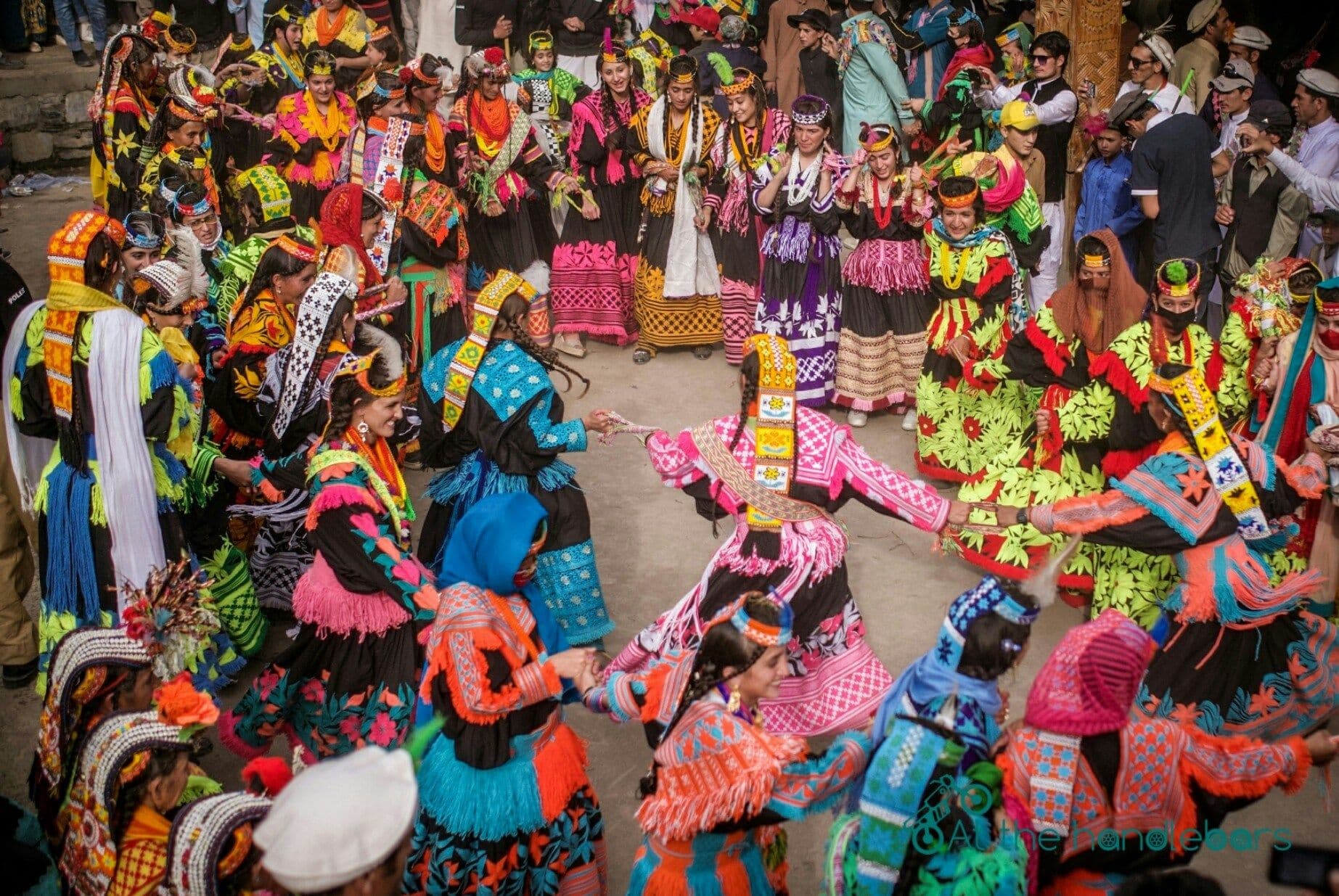
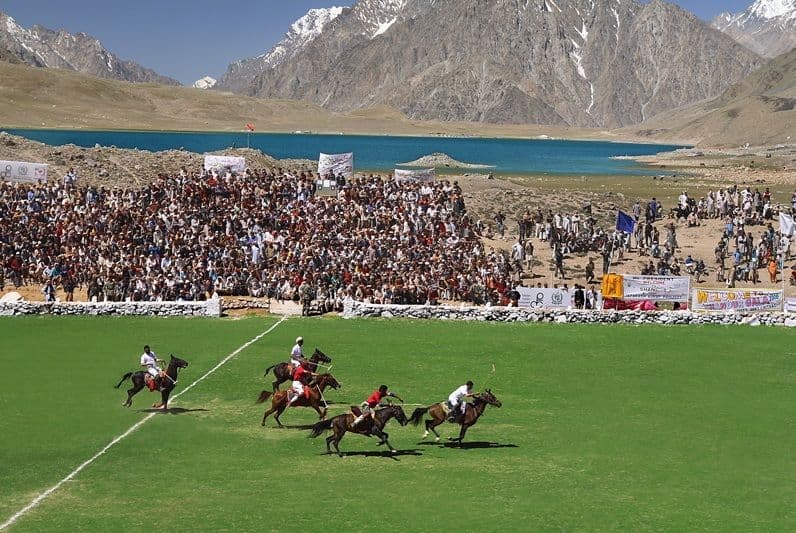
Shandur Polo Festival and the ancient traditions of Kalash Valleys bring Pakistan’s northern culture to life through some of the world’s most unique mountain festivals. Held at the world’s highest polo ground, Shandur showcases intense traditional polo matches surrounded by dramatic alpine scenery. In the Kalash Valleys, one of the last remaining animist cultures, seasonal festivals like Chilimjusht, Uchal, and Choimus feature vibrant dances, music, and rituals that reflect centuries-old beliefs. Across Gilgit-Baltistan, communities also celebrate Nowruz and harvest festivals with local customs, music, and polo events. This cultural tour offers an immersive journey into living traditions, where ancient heritage, hospitality, and mountain life come together in unforgettable celebrations.
Trip Stats
Difficulty
Easy
Max Altitude
3,700 meters
Wind Speed
15-25 km/h
Temperature
-10°C to 25°C
Overview
Pakistan's northern regions are home to some of the world's most vibrant and ancient cultural festivals, where traditions preserved for millennia come alive in spectacular celebrations. From the high-altitude polo matches at Shandur Pass to the animist rituals of the Kalash Valleys, from the Persian New Year of Nowruz to the harvest festivals of Hunza, this tour immerses you in the living heritage of communities that have inhabited these mountains since before recorded history. The Shandur Polo Festival alone draws thousands of domestic and foreign fans to an altitude of 12,000 feet, where traditional polo is played with raw energy and passion . The Kalash people, numbering approximately 3,500 across three valleys, practice one of the last remaining animist religions in the world, with roots tracing back to ancient Indo-European culture . Their festivals—Chilimjusht in spring, Uchal in summer, and Choimus in winter—offer glimpses into a worldview that has largely disappeared elsewhere. Women dance in circles around bonfires wearing intricate dresses made of cowry shells, coins, and beads, with heavy headdresses weighing several pounds presented by their uncles . The music and dance is a performance of set songs: the cha or clapping song accompanied by drums, with elders chanting legends while women dance in the open place . Beyond the Kalash, the Ismaili and Shia communities of Gilgit-Baltistan celebrate Nowruz with unique traditions including "Chi, Chi" gatherings where newborns are blessed, painted egg competitions in Baltistan, and three-day polo tournaments . The harvest season brings apricot and walnut festivals across Hunza, while weddings and community gatherings fill the summer months with music and dance. This cultural tour weaves together these celebrations, timed to coincide with the festivals that interest you most, creating an intimate encounter with the living traditions of northern Pakistan. Alpine Karakoram Adventure has spent generations building relationships with festival organizers, Kalash elders, and community leaders across the region. We know the exact dates when festivals begin, the families who open their homes to visitors, and the guides who can explain the deeper meaning behind each ritual. This is not festival tourism—it is cultural immersion, local hospitality, and a deep respect for traditions that have survived for thousands of years.
Trip Highlights
What makes this trekking special
Witness the Shandur Polo Festival in July at 12,000 feet, watching teams from Chitral and Gilgit-Baltistan compete in traditional polo matches that date back centuries
Experience the Kalash Spring Festival (Chilimjusht) in mid-May, where Kalash women in intricate cowry-shell dresses dance around bonfires to welcome the new season
Celebrate Nowruz (Persian New Year) in March with Ismaili and Shia communities, witnessing "Chi, Chi" gatherings, painted egg competitions, and traditional polo tournaments
Attend the Kalash Uchal Festival in August, celebrating the pre-harvest with cheese, corn, and locally brewed wine accompanied by days of dancing
Witness the winter Choimus Festival in December, the most impressive Kalash celebration lasting up to 10 days, honoring deities with goat sacrifices and ritual purity
Explore the ancient forts of Hunza—Baltit Fort (700 years) and Altit Fort (900 years)—during local harvest celebrations
Visit the Kalash Valleys of Bumburet, Rumbur, and Birir, where wooden houses cling to steep slopes and life continues as it has for millennia
Experience the unique purification rituals of the Kalash, where men's faces are coated with goat blood and special bread is baked away from villages
Watch SSG commandos make parachute landings and paragliders perform at the Shandur Polo Festival opening ceremony
Participate in traditional "Chi, Chi" gatherings in Hunza where newborns are blessed and dry fruits are distributed among communities
Photograph the vibrant Kalash women's attire, with each heavy headdress representing a gift from a girl's uncle and necklaces made from apricot kernels
Enjoy local festival foods including special bread stuffed with crushed walnuts and goat cheese, and locally brewed wine consumed in copious quantities
Day by Day Itinerary
Arrive at Islamabad International Airport. Our representative meets you with an Alpine Karakoram Adventure signboard and transfers you to your hotel. In the evening, your guide meets you for a briefing about the festivals ahead—the history of Shandur polo, Kalash cultural protocols, and what to expect during the celebrations. We recommend an early night. The cultural journey begins tomorrow. • Distance: 30 km from airport • Altitude: 540 meters • Accommodation: Hotel in Islamabad • Meals: Breakfast, Dinner
Morning transfer to Islamabad Airport for the flight to Gilgit. This 50-minute flight offers spectacular views of Nanga Parbat and the Karakoram giants. Upon arrival at Gilgit Airport (1,500 meters), our local team meets you. Visit the Gilgit Bazaar to familiarize yourself with local customs and perhaps purchase traditional attire for the festivals ahead. Evening briefing about the Shandur Polo Festival and what to expect. Overnight in Gilgit. • Distance: Flight 320 km • Altitude: 540m to 1,500m • Accommodation: Hotel in Gilgit • Meals: Breakfast, Lunch, Dinner
Early morning departure for the drive to Shandur Pass at 3,700 meters. The route follows the Gilgit River through Ghizer Valley, passing through Gupis and Phander with stunning mountain scenery. Arrive at Shandur Pass by afternoon, where the festival grounds are already alive with activity—tents dotting the meadows, local communities in traditional attire, and the famous polo ground awaiting the matches. Set up camp at the festival grounds for an immersive experience . Evening folk music and dance performances around campfires. • Distance: 200 km, 6-7 hours driving • Altitude: 1,500m to 3,700m • Accommodation: Festival camping • Meals: Breakfast, Lunch, Dinner
Full day at the Shandur Polo Festival. Attend the opening ceremony featuring SSG commandos making parachute landings into the polo ground and paragliders performing brilliant aerial displays . Watch the first polo matches between Chitral and Gilgit-Baltistan teams—traditional polo played with raw energy, six players to each side, the game lasting one hour with a ten-minute break . Explore the festival grounds, interact with local communities, enjoy folk music and dance performances, and sample local delicacies. Evening cultural programs continue into the night. • Distance: Local exploration • Altitude: 3,700m • Accommodation: Festival camping • Meals: Breakfast, Lunch, Dinner
Second day of the festival. Watch the remaining matches, including the final between Chitral and Gilgit-Baltistan teams. The passion for polo is at its highest on the world's highest polo ground . Between matches, explore the surrounding meadows, photograph the snow-capped peaks, and engage with local vendors selling handicrafts and traditional items. Evening awards ceremony and closing celebrations with spectacular folk performances. Second night at Shandur Pass. • Distance: Local exploration • Altitude: 3,700m • Accommodation: Festival camping • Meals: Breakfast, Lunch, Dinner
Morning departure from Shandur, descending into Chitral Valley. The drive offers spectacular views as you leave the high plateau. Arrive in Chitral town by afternoon. Visit the Chitral Museum to understand the region's history and culture. Explore the local bazaar. Check into your hotel for a well-deserved rest after the festival. Overnight in Chitral. • Distance: 100 km, 3-4 hours driving • Altitude: 3,700m to 1,500m • Accommodation: Hotel in Chitral • Meals: Breakfast, Lunch, Dinner
Drive to the Kalash Valleys, entering Bumburet, the largest of the three valleys . The drive takes approximately 2 hours through stunning mountain scenery. Arrive in Bumburet and check into your guesthouse or camp. In the afternoon, walk through the valley, visiting traditional Kalash villages where wooden houses cling to steep hillsides, the roof of one house forming the verandah of another . Meet local Kalash families and learn about their unique culture, language, and customs. Evening traditional music and dance performance if available. • Distance: 70 km, 2-3 hours driving • Altitude: 1,500m to 1,600m • Accommodation: Kalash guesthouse • Meals: Breakfast, Lunch, Dinner
Full day exploring the Kalash Valleys. Morning visit to Rumbur Valley, less visited and more traditional than Bumburet. Walk through villages where women in intricate dresses made of cowry shells, coins, and beads go about their daily lives . Visit a traditional Kalash house and learn about the culture—how women move to a Bashaleni house when giving birth and during menstruation, how marriages are arranged, and how family life revolves around goat herding and harvesting . Afternoon return to Bumburet to visit the Kalash Dur Museum for deeper cultural understanding. Evening with a Kalash family, sharing traditional food and stories. • Walking: 3-4 hours valley exploration • Altitude: 1,600m throughout • Accommodation: Kalash guesthouse • Meals: Breakfast, Lunch, Dinner
Day trip to Birir Valley, the third Kalash valley. Less visited than the others, Birir offers authentic encounters with Kalash traditions. Walk through terraced fields and villages, observing daily life and agricultural practices. Visit local schools and community projects if available. Learn about the Kalash religion, their gods including Balomain, the heroic demi-god whose spirit passes through the valley counting the people and collecting their prayers . Return to Bumburet for overnight. • Distance: 40 km round trip, walking exploration • Altitude: 1,600m throughout • Accommodation: Kalash guesthouse • Meals: Breakfast, Lunch, Dinner
Morning departure from the Kalash Valleys, driving through the Lowari Tunnel to reach Swat Valley. The Lowari Tunnel, 10.4 kilometers through the mountain, bypasses the old Lowari Pass that was one of the most dangerous crossings in the region. Arrive in Swat Valley by afternoon. Visit Buddhist archaeological sites including the Butkara Stupa, dating back to the 2nd century BCE, evidence of the region's rich Gandharan heritage. Check into your hotel. Overnight in Swat Valley. • Distance: 220 km, 5-6 hours driving • Altitude: 1,600m to 980m • Accommodation: Hotel in Swat • Meals: Breakfast, Lunch, Dinner
Morning drive from Swat Valley to Islamabad via the motorway. Stop at Taxila en route for a visit to the UNESCO World Heritage site where Buddhist monasteries and stupas date back 2,500 years. The museum holds some of the finest Buddhist sculpture in the world, connections to the Gandharan civilization that influenced the Silk Road. Arrive in Islamabad by evening. Farewell dinner at a local restaurant, celebrating the cultural journey. • Distance: 280 km, 5-6 hours driving • Altitude: 980m to 540m • Accommodation: Hotel in Islamabad • Meals: Breakfast, Lunch, Farewell Dinner
Morning free for last-minute shopping or relaxation. Visit Lok Virsa Museum to deepen your understanding of Pakistan's diverse cultural heritage. Transfer to Islamabad International Airport for your international flight. The Cultural & Festival Tour ends here, but the memories of polo at 12,000 feet, Kalash dances around bonfires, and Nowruz celebrations stay with you. • Distance: 30 km to airport • Altitude: 540m • Transfer: Islamabad International Airport • Meals: Breakfast
Focus on Nowruz celebrations across Gilgit-Baltistan. Witness "Chi, Chi" gatherings in Hunza where newborns are blessed, participate in painted egg competitions in Skardu, attend three-day polo tournaments, and share traditional Nowruz dishes with local families. Includes visits to ancient forts and cultural sites.
Timed for the Kalash Spring Festival in mid-May. Experience the four-day celebration across all three valleys, witness purification rituals including men's faces coated with goat blood, taste special jaou bread stuffed with walnuts and goat cheese, and watch young men and women dance together to find partners.
The classic summer cultural tour focused on the Shandur Polo Festival. Includes festival participation, camping at the pass, and extension to Kalash Valleys or Hunza as desired.
Timed for the pre-harvest festival. Experience Kalash thanksgiving celebrations with days of dancing, locally brewed wine, and traditional music.
For the adventurous cultural traveler. Experience the most sacred Kalash festival, lasting up to 10 days with elaborate rituals, goat sacrifices, and nights of dancing around bonfires. Cold weather preparations essential.
Note: Festival dates in Pakistan's northern regions are subject to change based on weather, local conditions, and official announcements. The Shandur Polo Festival is typically held in July but dates may shift; the 2025 festival was rescheduled from July 7-9 to July 22-24 due to Eidul Fitr . Kalash festival dates depend partly on harvest timing and are fixed only to a certain extent . We recommend building flexibility into your schedule and trusting your guide to adjust plans accordingly. Foreign travelers require NOCs for some areas; Alpine Karakoram Adventure arranges all necessary documentation. Photography at festivals is welcome but always ask permission before photographing individuals, especially during rituals. Dress modestly and respectfully, particularly in the Kalash Valleys. The Shandur Pass sits at 3,700 meters—be prepared for altitude and cold nights even in July. Alpine Karakoram Adventure plans for reality so that you can focus on the celebrations.
What's Included
Included
13 items included
- Twin-sharing accommodation in hotels, guesthouses, and festival camping
- All meals as specified (breakfast, lunch, dinner) during the tour
- Domestic flight Islamabad-Gilgit-Islamabad
- All land transportation in air-conditioned vehicles with experienced drivers
- 4x4 vehicles for high passes and valley excursions
- English-speaking licensed guide with Alpine Karakoram Adventure
- Local specialist guides in Kalash Valleys and festival sites
- All entrance fees to museums, forts, and cultural sites
- Festival entry fees and camping permits
- Kalash Valley guesthouse accommodations during festivals
- Bottled drinking water during the tour
- Letter of invitation and NOC assistance for foreign travelers
- All taxes and service charges
Not Included
11 items not included
- International airfare to and from Pakistan
- Pakistan visa fee
- Travel insurance with medical coverage and evacuation (mandatory)
- Lunches and dinners not specified in inclusions
- Photography fees at sites with additional charges
- Personal expenses including laundry, souvenirs, phone calls
- Tips and gratuities for guides, drivers, and hotel staff
- Single room supplement
- Costs from unforeseen circumstances beyond our control
- Alcoholic beverages (available locally at festivals)
- Optional activities not specified
We understand that every traveler has unique interests in cultural experiences. The inclusions above represent our standard festival touring package. However, Alpine Karakoram Adventure can customize your plan based on your preferred festivals, travel style, and group size.
What Our Adventurers Say
Authentic reviews from fellow trekkers who completed this tour
Based on 0 reviews
Be the first to review this tour!
Similar Tours
Discover more incredible adventures in the Karakoram
Three Ranges Tour: Karakoram, Himalayas & Hindu Kush
Karakoram Highway is one of the world’s most dramatic mountain roads, stretching from Hasan Abdal in Pakistan to the Khunjerab Pass on the China border. Carved through the meeting point of the Karakoram, Himalayas, and Hindu Kush ranges, it passes deep river gorges, towering peaks, and remote valleys shaped by the Indus River. Along the route lie iconic destinations such as Hunza Valley, known for its hospitality and breathtaking scenery, and cultural regions like the Kalash Valleys. The journey culminates at Khunjerab Pass, the highest paved international border crossing in the world, offering an unforgettable expedition through Pakistan’s northern mountain crown.
Summer Tour in Gilgit-Baltistan
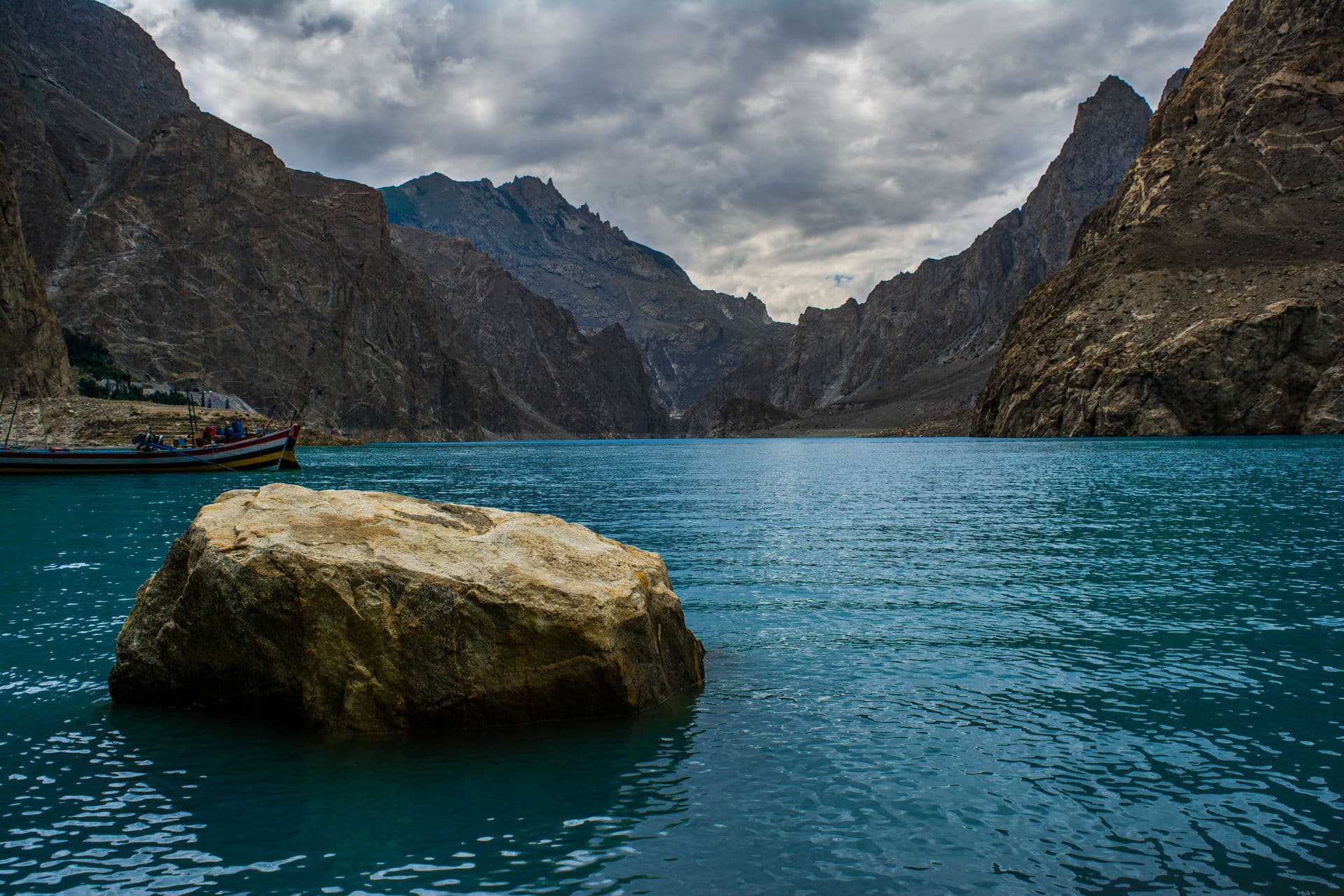
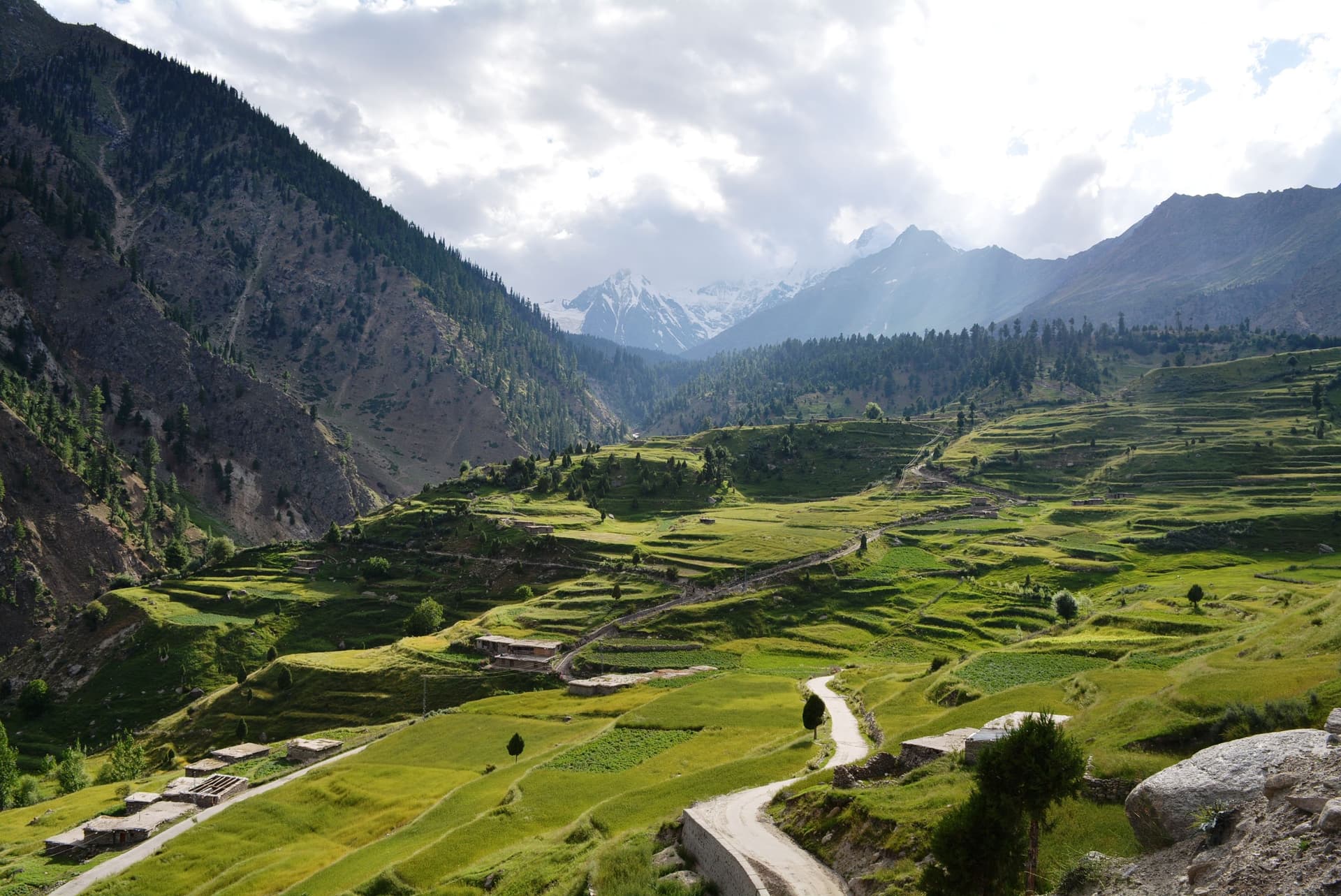
Gilgit-Baltistan transforms into a vibrant high-altitude paradise during summer, when snowmelt feeds crystal-clear rivers, alpine lakes, and lush green valleys. From June to August, the region becomes fully accessible, revealing iconic destinations such as Hunza Valley, Skardu Valley, and Astore Valley at their most colorful. Meadows in places like Deosai National Park, Fairy Meadows, and Naltar Valley bloom with wildflowers, while events like the Shandur Polo Festival bring cultural energy to the mountains. With mild temperatures and long sunny days, summer is the peak season for trekking, camping, and exploring Pakistan’s most dramatic landscapes, from Attabad Lake to Khunjerab Pass.
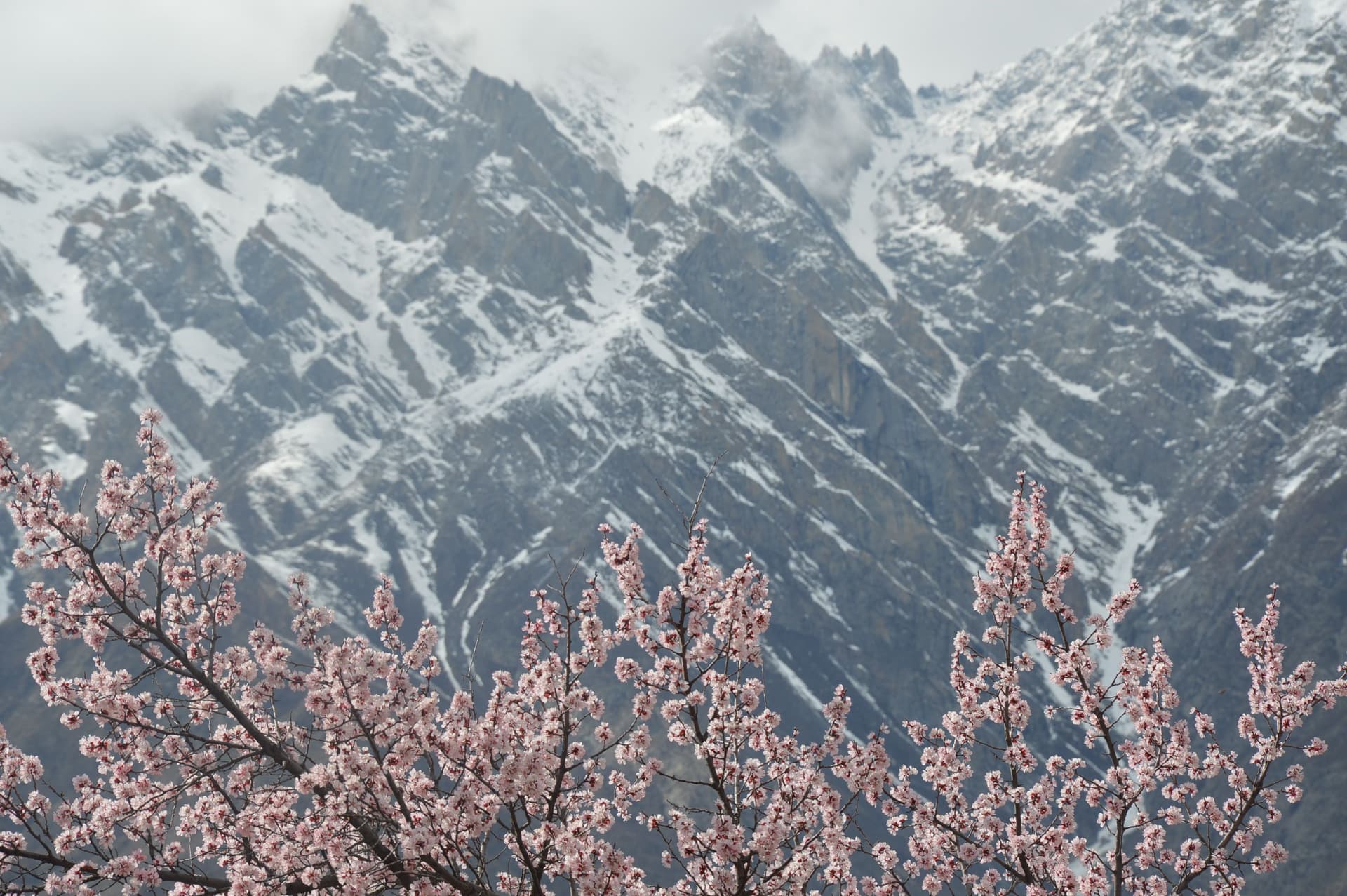
Spring Blossom Tour: Alpine Karakoram Adventure
Hunza Valley and the wider northern regions of Pakistan transform into a breathtaking landscape during spring, when apricot and cherry blossoms blanket the valleys in shades of pink, white, and green. From mid-March to April, orchards across Nagar Valley, Skardu Valley, and Baltistan come alive against the dramatic backdrop of snow-capped peaks like Rakaposhi and the Passu Cones. The season symbolizes renewal, with blooming fruit trees such as apricot, cherry, apple, and mulberry filling the air with fragrance and color. This spring blossom tour offers an easy, scenic experience for families and photographers, combining cultural warmth, peaceful village life, and some of the most stunning floral mountain landscapes in the world.
Starting from
Contact for Price