
Summer Tour in Gilgit-Baltistan
A comprehensive 14-day journey through Pakistan's majestic northern landscapes and emerald valleys.
Summer Tour in Gilgit-Baltistan
A comprehensive 14-day journey through Pakistan's majestic northern landscapes and emerald valleys.
A comprehensive 14-day journey through Pakistan's majestic northern landscapes and emerald valleys.
Gilgit-Baltistan transforms into a vibrant high-altitude paradise during summer, when snowmelt feeds crystal-clear rivers, alpine lakes, and lush green valleys. From June to August, the region becomes fully accessible, revealing iconic destinations such as Hunza Valley, Skardu Valley, and Astore Valley at their most colorful. Meadows in places like Deosai National Park, Fairy Meadows, and Naltar Valley bloom with wildflowers, while events like the Shandur Polo Festival bring cultural energy to the mountains. With mild temperatures and long sunny days, summer is the peak season for trekking, camping, and exploring Pakistan’s most dramatic landscapes, from Attabad Lake to Khunjerab Pass.
Trip Stats
Difficulty
Moderate
Max Altitude
4,734 meters
Wind Speed
15-25 km/h
Temperature
15°C to 30°C
Overview
Summer in Gilgit-Baltistan transforms the region into a lush paradise of deep greens and vibrant blues, offering unparalleled opportunities for adventure and cultural immersion . From June to August, the entire region, including its highest altitudes and remotest valleys, becomes fully accessible, making it the undisputed peak season for tourism and outdoor activities . The weather is generally mild and pleasant, with moderate temperatures ranging from 20°C to 30°C, clear skies, longer days, and melting snow that feeds the rivers and lakes . This is the season when emerald valleys burst with wildflowers, crystal-clear glacial lakes gleam with intense turquoise, and majestic peaks reveal their rock faces against deep blue skies . Expansive meadows like those in Rama, Phander, and Minimarg become carpets of colorful wildflowers, while iconic destinations such as Deosai National Park, Fairy Meadows, and Naltar Valley are at their absolute best . Summer is also a time of grand celebrations. The legendary Shandur Polo Festival takes place in July at the world's highest polo ground, drawing thousands to witness thrilling matches, traditional music, and folk dances . Local communities celebrate wedding season with elaborate feasts and rituals, while farmers harvest cherries, mulberries, and apricots, filling the valleys with the sweet scent of ripening fruit . This comprehensive summer tour takes you through the heart of Gilgit-Baltistan, covering Hunza Valley, Skardu Baltistan, Fairy Meadows, Deosai Plains, and the beautiful valleys of Astore and Naltar. From the turquoise waters of Attabad Lake to the vast expanse of the Deosai Plateau, from camping beneath Nanga Parbat to crossing the highest paved border in the world at Khunjerab Pass, this journey showcases everything that makes summer in the northern mountains extraordinary. Alpine Karakoram Adventure knows these valleys intimately. Our guides come from the region and understand the summer rhythms—when the wildflowers peak, where the bears are most active in Deosai, which guesthouse serves the best fresh apricot juice. This is local knowledge, local hospitality, and a deep appreciation for the brief but glorious summer when the mountains of Gilgit-Baltistan are fully awake.
Trip Highlights
What makes this trekking special
Explore Hunza Valley with its ancient forts, terraced fields, and views of Rakaposhi at 7,788 meters
Stand at Khunjerab Pass, the highest paved international border crossing in the world at 4,734 meters
Camp at Fairy Meadows beneath Nanga Parbat, the ninth highest mountain on earth
Visit Deosai National Park, the "Land of Giants," a high-altitude plateau bursting with wildflowers in summer
Float on Attabad Lake's turquoise waters, formed by a 2010 landslide that reshaped the valley
Trek through Naltar Valley's colorful landscapes and visit its famous lakes—Satrangi Lake and Blue Lake
Cross the Hussaini Suspension Bridge, eight hundred feet of swaying planks above the Hunza River
Explore Skardu Valley with its Shangrila Lake, Katpana Cold Desert, and ancient forts
Experience the Shandur Polo Festival in July, watching teams from Chitral and Gilgit compete on the world's highest polo ground
Visit Rama Meadows and Rama Lake in Astore Valley, surrounded by pines and wildflowers
Walk through Hoper Valley with views of Hoper Glacier and the striking Golden Peak (Spantik)
Discover Gappa Valley, a hidden gem in Nagar District w
Day by Day Itinerary
Arrive at Islamabad International Airport. Our representative meets you with an Alpine Karakoram Adventure signboard and transfers you to your hotel. Islamabad sits at 540 meters, with the Margalla Hills rising behind the modern capital. In the evening, your guide meets you for a briefing about the journey ahead—what to expect during summer travel, how to prepare for the altitudes, and answers to your questions. We recommend an early night. The adventure begins tomorrow. • Distance: 30 km from airport • Altitude: 540 meters • Accommodation: Hotel in Islamabad • Meals: Breakfast, Dinner
Early morning departure for the drive north. During summer (June-September), we take the scenic route via the Kaghan Valley and Babusar Pass . Drive through Abbottabad and Mansehra, then enter the Kaghan Valley. Stop at Lulusar Lake, a crystal-clear alpine lake that feeds the Kunhar River. Continue to Babusar Top at 4,173 meters, one of the highest mountain passes in Pakistan, offering panoramic views of the surrounding peaks . Descend into Chilas by evening. Check into your hotel at 1,265 meters. Note: If Babusar Pass is not yet open, we use the Karakoram Highway via Besham. • Distance: 450 km, 10-12 hours driving • Altitude: 540m to 4,173m to 1,265m • Accommodation: Hotel in Chilas • Meals: Breakfast, Lunch, Dinner
After breakfast, continue north on the Karakoram Highway. Stop at Thalichi for the first view of Nanga Parbat (8,126 meters), the Killer Mountain, its massive face dominating the sky . At Jaglot, visit the confluence monument where the three great mountain ranges—Karakoram, Himalaya, and Hindukush—meet . Continue to Gilgit, arriving by afternoon. Visit Kargah Buddha, a 7th-century rock carving that testifies to the region's Buddhist heritage . Explore Gilgit Bazaar in the evening, with its shops selling everything from climbing gear to fresh fruit. Overnight in Gilgit. • Distance: 200 km, 4-5 hours driving • Altitude: 1,265m to 1,500m • Accommodation: Hotel in Gilgit • Meals: Breakfast, Lunch, Dinner
Drive to Karimabad after breakfast. Stop at Rakaposhi View Point for breathtaking views of the 7,788-meter Queen of Mountains . Enter the Hunza Gorge and arrive in Karimabad at 2,400 meters by afternoon. Check into your hotel. Evening free to walk through Karimabad's bazaar, with shops selling apricots, walnuts, and hand-woven fabrics. Ultar Peak rises directly behind the town. • Distance: 100 km, 3-4 hours driving • Altitude: 1,500m to 2,400m • Accommodation: Hotel in Karimabad • Meals: Breakfast, Lunch, Dinner
Full day in Hunza's cultural capital. Morning visit to Baltit Fort, 700 years old, perched on a spur above the valley . Inside, restored rooms show how Hunza's rulers lived. Afternoon visit to Altit Fort, even older at 900 years, and the old village below with traditional stone-and-timber houses . Late afternoon drive to Eagle's Nest (Duikar) at 2,800 meters for sunset—the entire Hunza Valley spreads below, with Rakaposhi, Ultar, and surrounding peaks catching golden light . Return to Karimabad for overnight. • Walking: 3-4 hours gentle walking • Altitude: 2,400m to 2,800m and back • Accommodation: Hotel in Karimabad • Meals: Breakfast, Lunch, Dinner
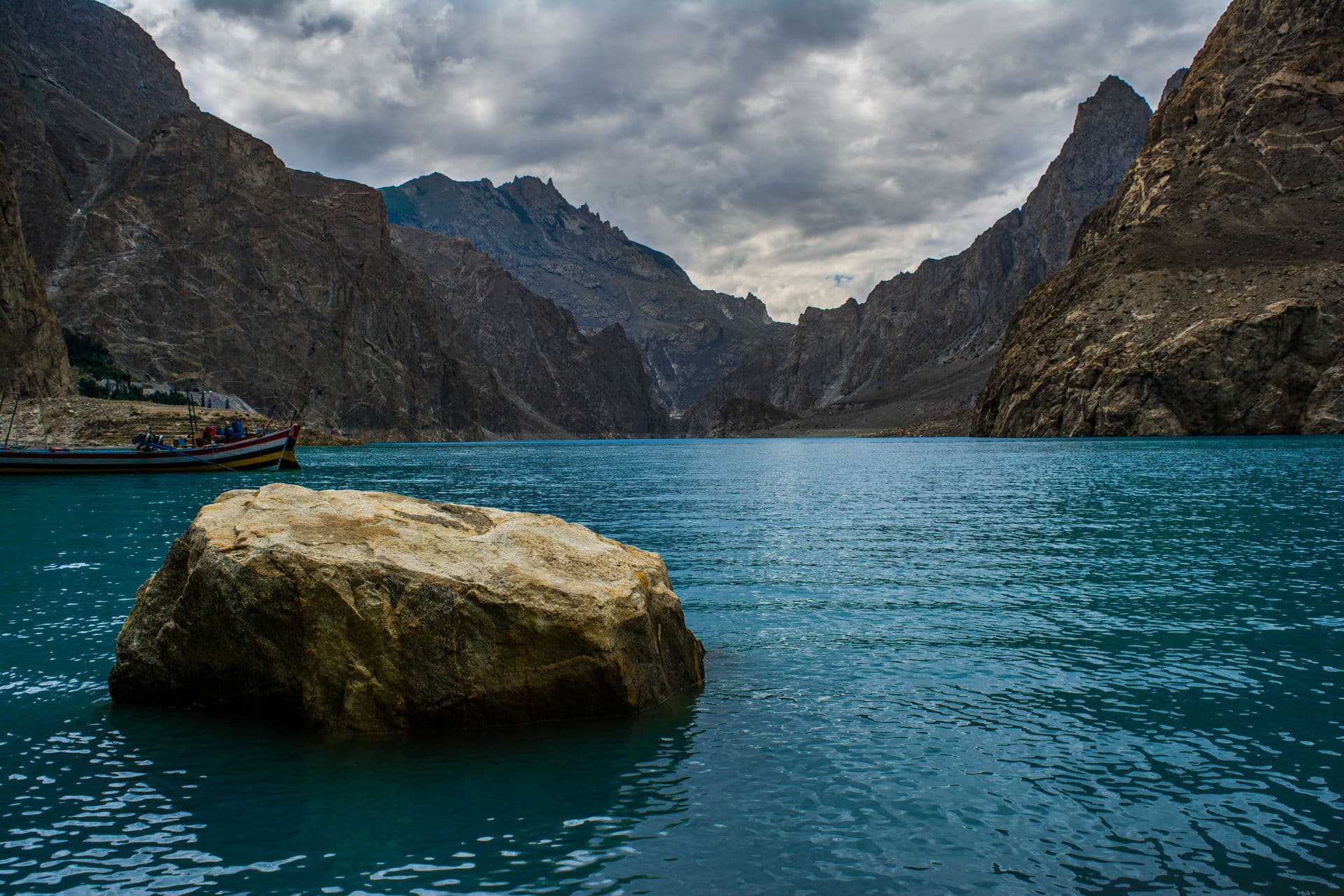
Early start north through the narrowing Hunza Gorge. First stop at Attabad Lake—turquoise water where a massive landslide buried villages in 2010, creating a lake 22 kilometers long . Enjoy a boat ride on the surreal waters. Continue to Gulmit village for a glimpse of Wakhi culture, then on to Passu. Photograph the Passu Cones, their jagged spires rising dramatically from the valley floor . Visit Hussaini Suspension Bridge, eight hundred feet of swaying planks above the turquoise Hunza River . Continue to Sost, the last Pakistani settlement, then climb to Khunjerab Pass at 4,734 meters, the highest paved border crossing in the world . Return to Passu for overnight. • Distance: 200 km round trip, 6-7 hours • Altitude: 2,400m to 4,734m and back • Accommodation: Hotel in Passu • Meals: Breakfast, Lunch, Dinner
Drive to Hoper Valley in Nagar District, approximately 135 kilometers from Gilgit via the Karakoram Highway and an adventurous winding mountain road . Hoper serves as the gateway to treks to Rush Lake, one of the world's highest alpine lakes, and to Golden Peak (Spantik) . Visit viewpoints for stunning vistas of Hoper Glacier and Barpu Glacier. In summer, the valley is lush green with cool, refreshing mountain air . Explore local shops selling handicrafts, gemstones, and organic dry fruits. Return to Passu for overnight. • Distance: 150 km round trip, 5-6 hours • Altitude: 2,400m to 3,000m approx. • Accommodation: Hotel in Passu • Meals: Breakfast, Lunch, Dinner
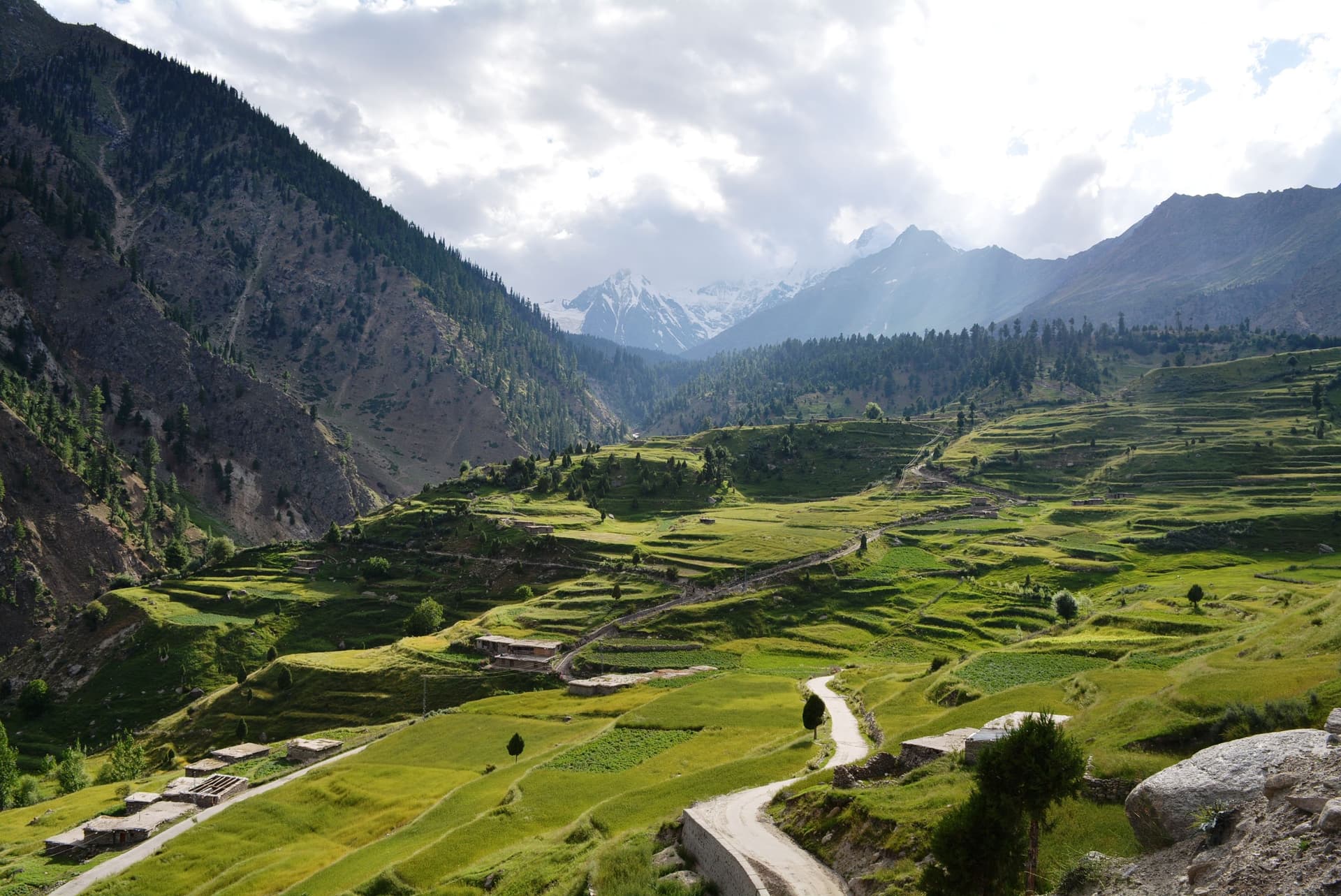
Full day excursion to Gappa Valley in Nagar District, a short detour from the Karakoram Highway and one of Gilgit-Baltistan's most enchanting hidden gems . The drive winds through rugged mountain roads and fragrant pine forests, passing tiny hamlets and terraced potato fields. Best visited between July and September, Gappa Valley offers breathtaking views of Rakaposhi, Diran Peak, and other snow-capped giants . Walk through alpine pastures, glacier-fed streams, and lush meadows. Visit traditional shepherd huts and interact with local highland communities. Picnic lunch in the valley. Return to Passu for overnight. • Distance: 120 km round trip, 6-7 hours • Altitude: 2,400m to 3,000m approx. • Accommodation: Hotel in Passu • Meals: Breakfast, Lunch, Dinner
Morning drive back to Gilgit (3-4 hours). Transfer to Gilgit Airport for the flight to Skardu. This 50-minute flight offers spectacular views of Nanga Parbat and the Karakoram giants. Upon arrival at Skardu Airport (2,228 meters), our local team meets you. Afternoon visit to Satpara Lake, its turquoise waters reflecting the mountains . Check into your hotel. The air here is thin and dry—drink plenty of water. • Distance: 120 km driving, flight 320 km • Altitude: 2,400m to 1,500m to 2,228m • Accommodation: Hotel in Skardu • Meals: Breakfast, Lunch, Dinner
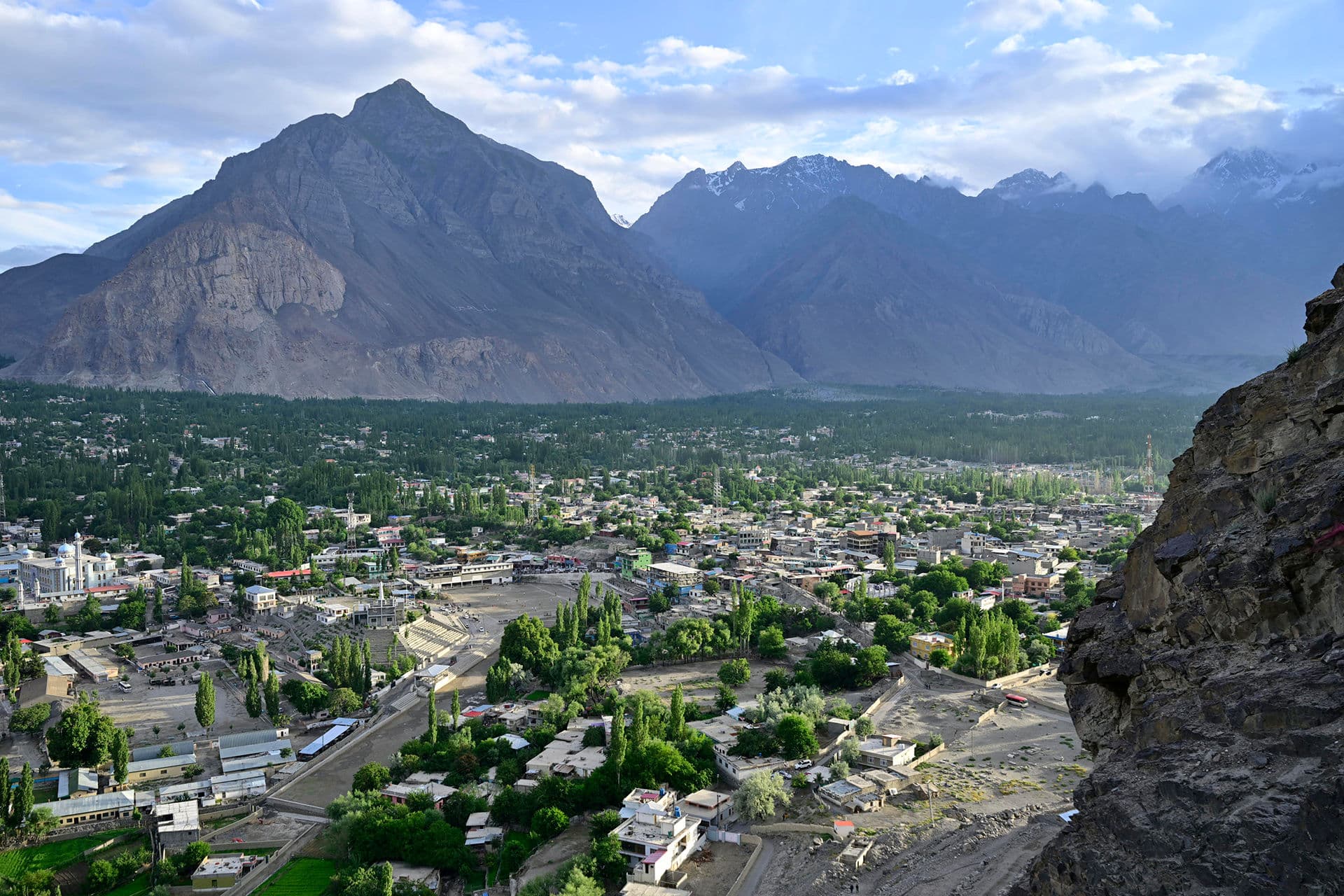
Full day exploring Skardu Valley. Morning visit to Shangrila Resort (Lower Kachura Lake), the famous heart-shaped lake surrounded by orchards . Then continue to Upper Kachura Lake, a pristine natural lake quieter than Shangrila and perfect for photography. Afternoon at Katpana Cold Desert, one of the world's highest deserts at 2,300 meters, where sand dunes meet snow peaks . In summer, you can enjoy quad biking, dune buggies, or horse rides on the sand dunes . Return to Skardu for overnight. • Distance: 50 km local driving • Altitude: 2,228m to 2,300m • Accommodation: Hotel in Skardu • Meals: Breakfast, Lunch, Dinner
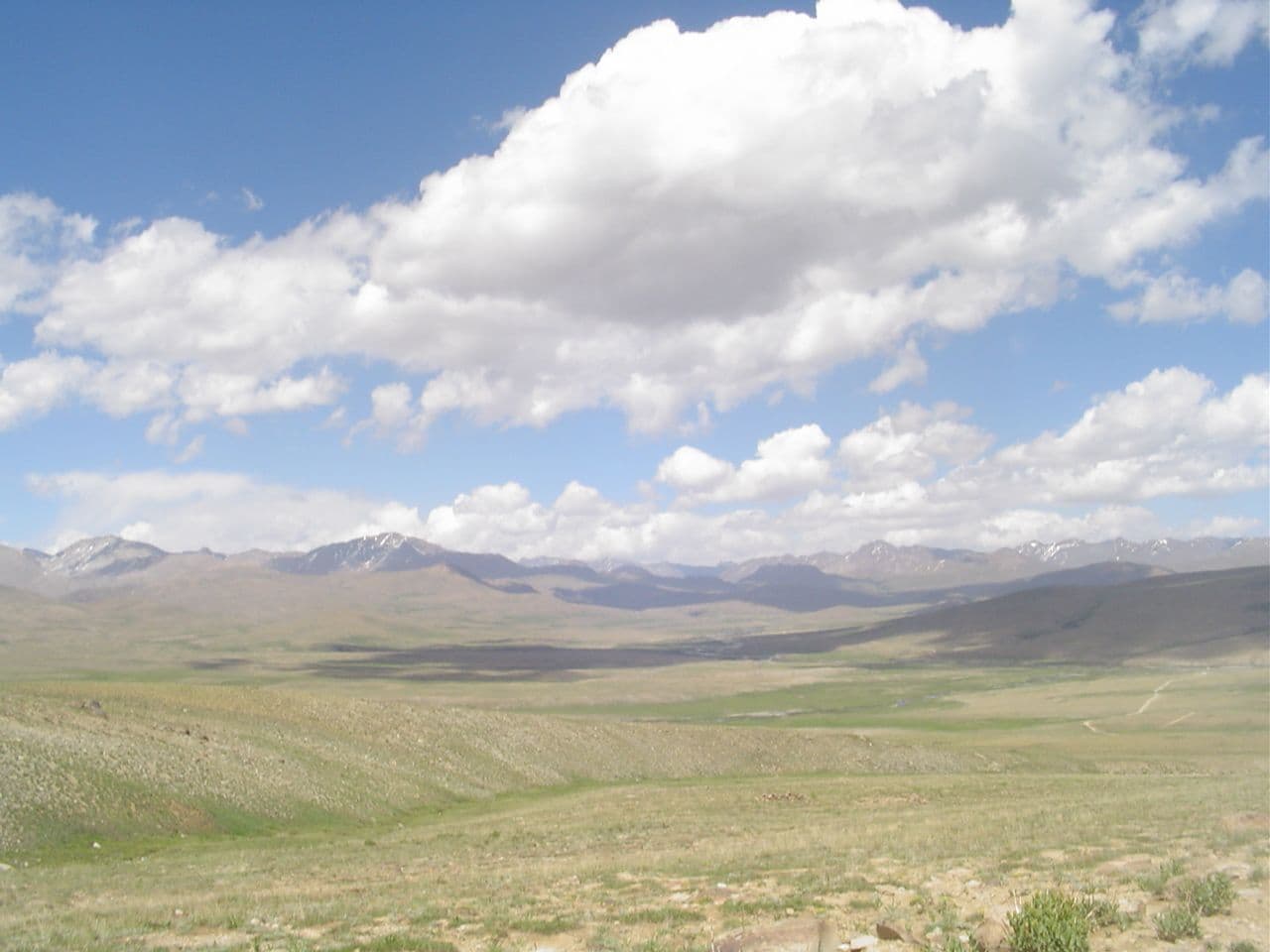
Early start for Deosai National Park, the "Land of Giants." At over 4,000 meters, this is the second highest plateau in the world . The 2-hour drive crosses Chilim Pass into the park. From July through September, the plains burst with wildflowers—a carpet of color stretching to the horizon . Keep eyes open for Himalayan brown bears, golden marmots, ibex, and golden eagles. Picnic lunch by Sheosar Lake at 4,142 meters, a pristine alpine lake reflecting the surrounding peaks. Afternoon return to Skardu. • Distance: 150 km round trip, 5-6 hours driving • Altitude: 2,228m to 4,142m and back • Accommodation: Hotel in Skardu • Meals: Breakfast, Lunch, Dinner
Drive to Shigar Valley after breakfast (40 minutes). Visit Shigar Fort, a 400-year-old palace restored as a heritage hotel and museum . Walk through Shigar's old town with traditional Balti architecture. Continue to Khaplu, passing through small villages in the Ghanche district. Visit Khaplu Fort, a 19th-century Tibetan-style palace surrounded by apricot orchards . In summer, the fruit trees are laden with ripening apricots. Explore the Saling area with its trout fish farm, where kids especially enjoy fishing for their own lunch . Overnight in Khaplu. • Distance: 120 km, 4-5 hours driving with stops • Altitude: 2,228m to 2,600m • Accommodation: Hotel in Khaplu • Meals: Breakfast, Lunch, Dinner
Morning transfer to Skardu Airport for the flight back to Islamabad. Upon arrival, visit Taxila, a UNESCO World Heritage site where Buddhist monasteries and stupas date back 2,500 years . The museum holds some of the finest Buddhist sculpture in the world. Continue to Islamabad. Farewell dinner at a local restaurant, celebrating the journey through summer's beauty. Overnight in Islamabad. • Distance: Flight 320 km, Taxila excursion 40 km • Altitude: 2,228m to 540m • Accommodation: Hotel in Islamabad • Meals: Breakfast, Lunch, Farewell Dinner
Morning free for last-minute shopping or relaxation. Visit Lok Virsa Museum or Faisal Mosque if time permits. Transfer to Islamabad International Airport for your international flight. The Summer Tour in Gilgit-Baltistan ends here, but the memories of lush valleys, turquoise lakes, and warm mountain hospitality stay with you. • Distance: 30 km to airport • Altitude: 540m • Transfer: Islamabad International Airport • Meals: Breakfast
For those who wish to spend more time beneath Nanga Parbat, add a Fairy Meadows extension. From Chilas on Day 3, detour to Raikot Bridge, take 4x4 jeeps to Tattu Village, and trek to Fairy Meadows at 3,300 meters. Spend two nights camping with views of the Killer Mountain, trek to Nanga Parbat Base Camp, and enjoy the pristine alpine meadows. Rejoin the main tour in Gilgit or Chilas.
For July departures, adjust the itinerary to include the Shandur Polo Festival. From Gilgit, drive to Shandur Pass at 3,700 meters and spend two days experiencing the world's highest polo ground, with matches, traditional music, folk dances, and camping under the stars. Continue to Chitral and return via the Lowari Tunnel, rejoining the main tour in Peshawar.
Note: Summer in Gilgit-Baltistan offers the best weather and accessibility, but flexibility remains essential. Flights to Skardu and Gilgit are weather-dependent and can be delayed—always build buffer days into your schedule . The Shandur Polo Festival dates are typically July 7-9, but confirm current year dates when booking . Babusar Pass opens from June to October and offers a scenic alternative to the Karakoram Highway . Deosai National Park is accessible July through September when snow clears . Summer temperatures vary greatly—pack layers including warm clothing for evenings and high altitudes. Sun protection is essential due to high UV exposure . Your guide has authority to modify routes for safety, and we ask for patience when conditions require changes. Alpine Karakoram Adventure plans for reality so that you can focus on the mountains.
What's Included
Included
13 items included
- Twin-sharing accommodation in hotels and guesthouses throughout
- All meals as specified (breakfast, lunch, dinner) during the tour
- Domestic flights Islamabad-Gilgit-Islamabad and Gilgit-Skardu-Gilgit
- All land transportation in air-conditioned vehicles with experienced drivers
- 4x4 vehicles for high passes, Deosai, and side valley excursions
- English-speaking licensed guide with Alpine Karakoram Adventure
- Local specialist guides at forts and cultural sites
- All entrance fees to monuments, forts, and national parks
- Boating at Attabad Lake
- Deosai National Park permits
- Bottled drinking water during the tour
- Letter of invitation for Pakistan visa application
- All taxes and service charges
Not Included
11 items not included
- International airfare to and from Pakistan
- Pakistan visa fee
- Travel insurance with medical coverage and evacuation (mandatory)
- Lunches and dinners not specified in inclusions
- Photography fees at sites with additional charges
- Personal expenses including laundry, souvenirs, phone calls
- Tips and gratuities for guides, drivers, and hotel staff
- Single room supplement
- Costs from unforeseen circumstances beyond our control
- Horse hire for Fairy Meadows trek (available locally)
- Optional activities not specified
We understand that every traveler has unique needs and expectations. The inclusions above represent our standard summer touring package. However, Alpine Karakoram Adventure can customize your plan based on your preferred dates, group size, and interests.
What Our Adventurers Say
Authentic reviews from fellow trekkers who completed this tour
Based on 0 reviews
Be the first to review this tour!
Similar Tours
Discover more incredible adventures in the Karakoram
Three Ranges Tour: Karakoram, Himalayas & Hindu Kush
Karakoram Highway is one of the world’s most dramatic mountain roads, stretching from Hasan Abdal in Pakistan to the Khunjerab Pass on the China border. Carved through the meeting point of the Karakoram, Himalayas, and Hindu Kush ranges, it passes deep river gorges, towering peaks, and remote valleys shaped by the Indus River. Along the route lie iconic destinations such as Hunza Valley, known for its hospitality and breathtaking scenery, and cultural regions like the Kalash Valleys. The journey culminates at Khunjerab Pass, the highest paved international border crossing in the world, offering an unforgettable expedition through Pakistan’s northern mountain crown.
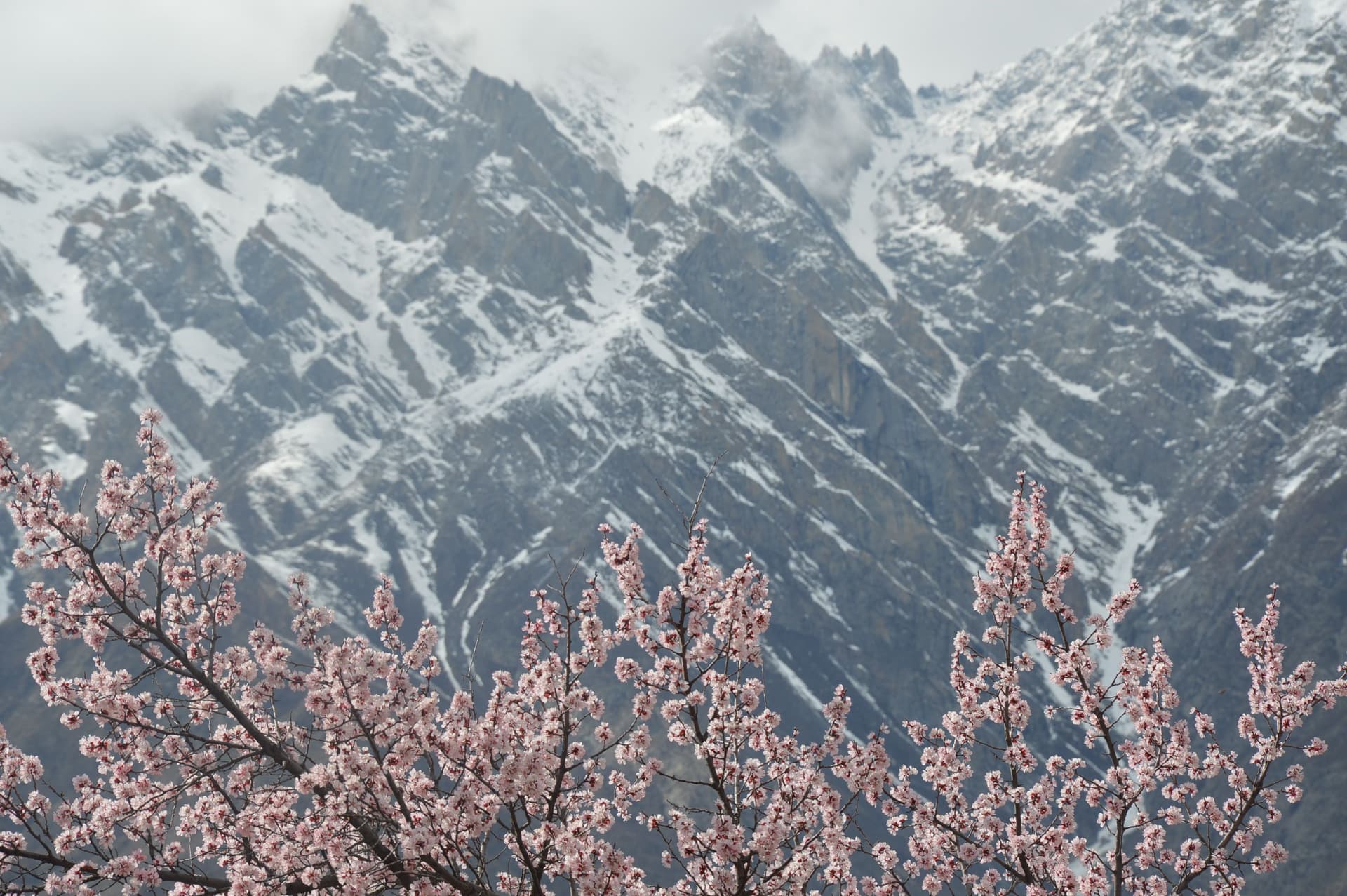
Spring Blossom Tour: Alpine Karakoram Adventure
Hunza Valley and the wider northern regions of Pakistan transform into a breathtaking landscape during spring, when apricot and cherry blossoms blanket the valleys in shades of pink, white, and green. From mid-March to April, orchards across Nagar Valley, Skardu Valley, and Baltistan come alive against the dramatic backdrop of snow-capped peaks like Rakaposhi and the Passu Cones. The season symbolizes renewal, with blooming fruit trees such as apricot, cherry, apple, and mulberry filling the air with fragrance and color. This spring blossom tour offers an easy, scenic experience for families and photographers, combining cultural warmth, peaceful village life, and some of the most stunning floral mountain landscapes in the world.
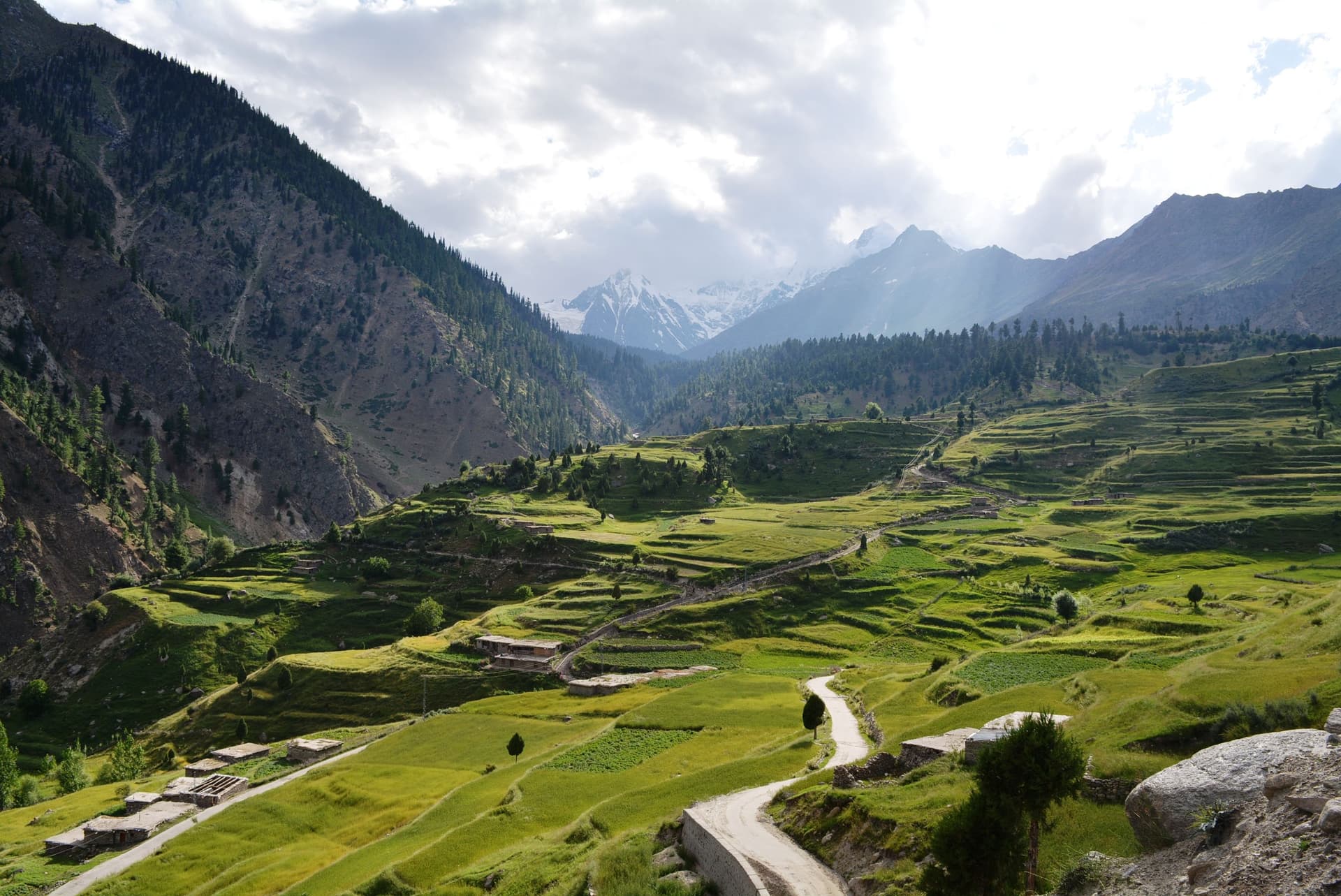
Skardu, Astore, Kharmang and Khaplu Valley Tour
Baltistan is a breathtaking mountain region often called the “Land of Giants,” home to towering peaks, glaciers, and some of the world’s most dramatic landscapes. This tour explores its four iconic valleys—Skardu Valley, known for lakes, deserts, and access to K2; Astore Valley, famous for its alpine meadows beneath Nanga Parbat; Kharmang Valley, a hidden gem of waterfalls and traditional villages; and Khaplu Valley, rich in history and gateway to peaks like Masherbrum. Blending natural beauty with cultural heritage, this journey offers lakes, meadows, deserts, and centuries-old architecture, making it a complete exploration of Baltistan’s diverse landscapes and timeless mountain culture.
Starting from
Contact for Price