
Spring Blossom Tour: Alpine Karakoram Adventure
A journey through the blooming valleys of Hunza and Baltistan
Spring Blossom Tour: Alpine Karakoram Adventure
A journey through the blooming valleys of Hunza and Baltistan
A journey through the blooming valleys of Hunza and Baltistan
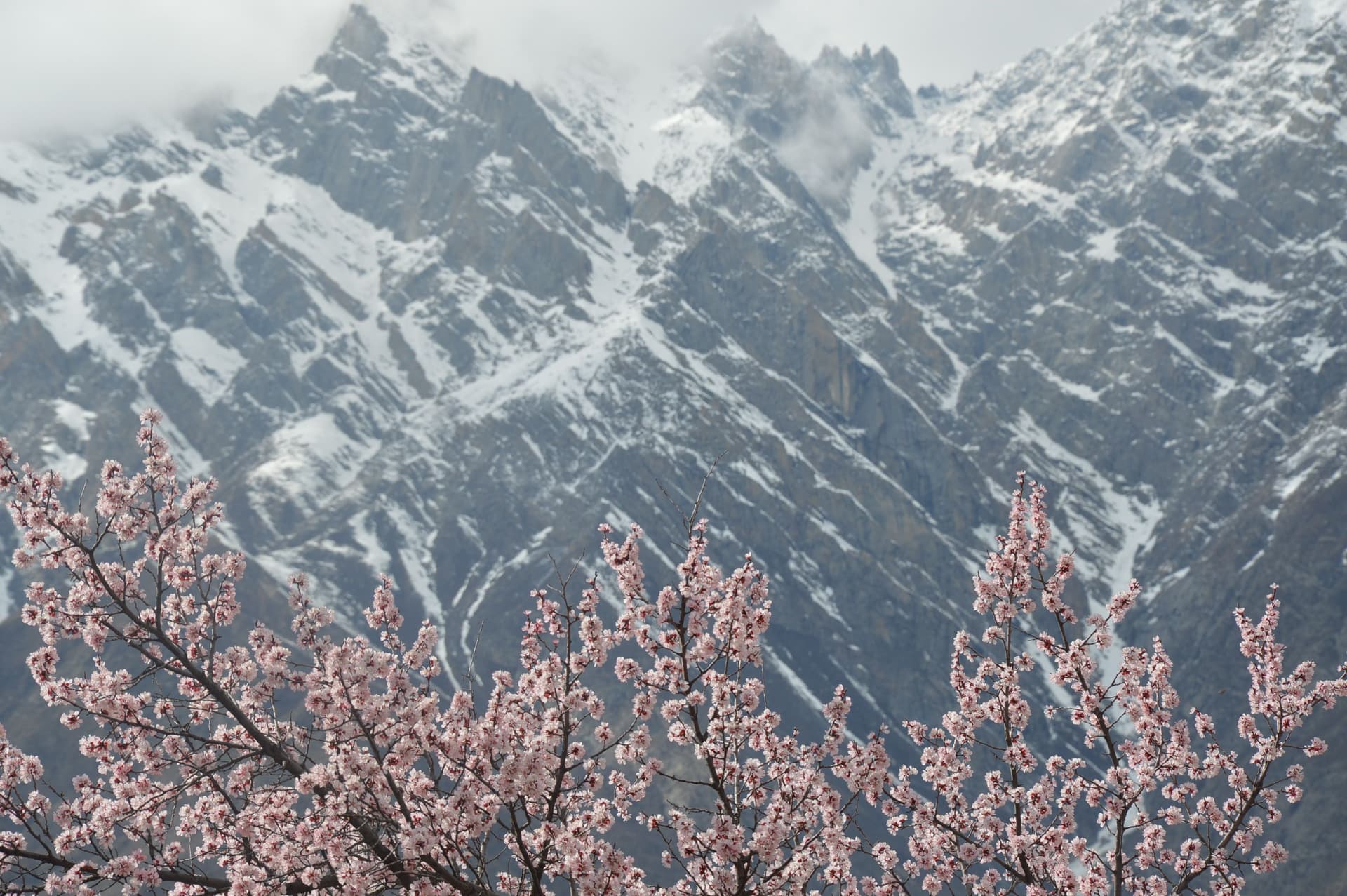
Hunza Valley and the wider northern regions of Pakistan transform into a breathtaking landscape during spring, when apricot and cherry blossoms blanket the valleys in shades of pink, white, and green. From mid-March to April, orchards across Nagar Valley, Skardu Valley, and Baltistan come alive against the dramatic backdrop of snow-capped peaks like Rakaposhi and the Passu Cones. The season symbolizes renewal, with blooming fruit trees such as apricot, cherry, apple, and mulberry filling the air with fragrance and color. This spring blossom tour offers an easy, scenic experience for families and photographers, combining cultural warmth, peaceful village life, and some of the most stunning floral mountain landscapes in the world.
Trip Stats
Difficulty
Easy
Max Altitude
2,800 meters
Wind Speed
10-25 km/h
Temperature
5°C to 20°C
Overview
Spring in Northern Pakistan is a spectacle of renewal, when the valleys emerge from winter's grip and burst into a riot of pink, white, and green. From mid-March to late April, the Hunza Valley transforms into a paradise of apricot and cherry blossoms, with orchards blooming in vibrant shades framed by the snow-covered peaks of the Karakoram Mountains . The brown landscape gives way to fresh greenery, roses that looked like sticks begin to sprout new leaves, and the air fills with the sweet fragrance of flowers . This is the season of life and rebirth, following the devastation of winter, and the people of the north celebrate it with festivals and gatherings under the flowering trees. The cherry blossom holds deep meaning in these valleys. For centuries, aristocrats wrote poems and sang songs beneath the flowering trees, and today the tradition continues . The shape and color of the petals reflect people's ideal notion of peace and simplicity. When the wind touches the soft petals, the surrounding area fills with pink petals drifting down like snow, and a pleasant fragrance lingers in the air . Beyond cherries, the spring bloom includes apricots, apples, pears, peaches, plums, and mulberries—each tree adding its own color to the canvas . This tour takes you through the heart of blossom country—Hunza, Nagar, Skardu, and the valleys of Baltistan. You'll walk through orchards in full bloom, visit seven-hundred-year-old forts surrounded by flowers, and stand at viewpoints where pink petals frame views of Rakaposhi and the Passu Cones. The itinerary is designed for photographers, families, couples, and anyone who wants to witness one of nature's most beautiful performances. No trekking experience is required—this is a cultural and sightseeing tour suitable for all . Alpine Karakoram Adventure knows exactly when and where the blossoms peak each year. We work with local families who open their orchards, their homes, and their hearts to visitors. This is not just a tour—it's an invitation to witness the moment when the mountains wake up and dress in their finest colors.
Trip Highlights
What makes this trekking special
Walk through apricot and cherry orchards in full bloom, with pink and white petals framing views of 7,000-meter peaks
Experience the Apricot Blossom Festival in Hunza, tasting local dishes made from apricots and dancing to Hunza drums with local communities
Explore 700-year-old Baltit Fort and 900-year-old Altit Fort, their ancient stones surrounded by flowering trees
Photograph Rakaposhi (7,788m), the Queen of Mountains, reflected in rivers with blossoms in the foreground
Visit the junction point of the three greatest mountain ranges—Karakoram, Himalayas, and Hindu Kush—at Jaglot
Float on Attabad Lake's turquoise waters, a lake formed by a 2010 landslide, now surrounded by spring colors
Stand beneath the Passu Cones and cross the Hussaini Suspension Bridge, swaying above the turquoise Hunza River
Trek to Hopper Valley and walk on Hopper Glacier, with wildflowers beginning to bloom along the trail
Watch sunset from Eagle's Nest (Duikar), with the entire Hunza Valley spread below and blossoms catching the golden light
Visit Shigar and Khaplu valleys in Baltistan, acclaimed for their cherry bloom season with the most delightful charming climate
Explore Skardu's Katpana Cold Desert at 2,300 meters, where sand dunes meet snow peaks framed by blossoms
Participate in spring planting traditions with local families, learning about the connection between blossoms and the new agricultural year
Day by Day Itinerary
Arrive at Islamabad International Airport. Our representative meets you with an Alpine Karakoram Adventure signboard and transfers you to the hotel. Islamabad sits at 540 meters, with the Margalla Hills rising behind it. Afternoon city tour if time permits—visit Shah Faisal Mosque, Pakistan Monument, and Daman-e-Koh for sunset views . In the evening, your guide meets you for a briefing about the journey ahead, with special focus on blossom viewing opportunities and photography tips. We recommend an early night. The real journey starts tomorrow. • Distance: 30 km from airport • Altitude: 540 meters • Accommodation: Hotel in Islamabad • Meals: Breakfast, Dinner
Early morning departure for the drive north on the Karakoram Highway. This legendary road, connecting Pakistan to China, took twenty years to build and follows the ancient Silk Route . Drive through the Kaghan Valley or via Besham depending on road conditions. Stop for lunch at a riverside restaurant. Continue through dramatic gorges where the highway clings to cliffs above the Indus. Arrive in Chilas at 1,265 meters by evening. Check into your hotel. The first hints of green appear along the river—spring is just beginning here. • Distance: 460 km, 11-12 hours driving • Altitude: 540m to 1,265m • Accommodation: Hotel in Chilas • Meals: Breakfast, Lunch, Dinner
After breakfast, continue north on the Karakoram Highway. Stop at Thalichi for the first view of Nanga Parbat (8,126 meters), the Killer Mountain, its massive face still covered in winter snow . At Jaglot, visit the confluence monument where the three great mountain ranges—Karakoram, Himalaya, and Hindukush—meet . Continue to the Rakaposhi viewpoint for photography and refreshment, with the 7,788-meter Queen of Mountains dominating the sky. Enter the Hunza Gorge and arrive in Karimabad at 2,400 meters by afternoon. Check into your hotel. Evening free to walk through Karimabad's bazaar, where early blossoms may already be visible in surrounding orchards. • Distance: 220 km, 5-6 hours driving • Altitude: 1,265m to 2,400m • Accommodation: Hotel in Karimabad • Meals: Breakfast, Lunch, Dinner
Full day in Hunza's cultural capital. Morning visit to Baltit Fort, 700 years old, perched on a spur above the valley . Inside, restored rooms show how Hunza's rulers lived. Walk through the surrounding orchards—if timing is right, apricot and cherry blossoms frame the ancient walls beautifully. Afternoon visit to Altit Fort, even older at 900 years, and the old village below with traditional stone-and-timber houses . The irrigation channels here have watered these fields for centuries, and the terraced orchards are Hunza at its most beautiful. Evening water channel walk from Karimabad toward Hyderabad village, passing through blossoming orchards with views of Ultar Peak . • Walking: 3-4 hours gentle walking • Altitude: 2,400m throughout • Accommodation: Hotel in Karimabad • Meals: Breakfast, Lunch, Dinner
Morning excursion to Hopper Valley, a side valley of Hunza famous for its glacier and traditional villages. Visit Hopper Glacier, walking along its edge with wildflowers beginning to bloom on the moraine . The valley's orchards are less frequented than Karimabad's, offering peaceful blossom photography. After lunch, drive to Duikar Valley (Eagle's Nest) at 2,800 meters, the classic viewpoint for sunset over Hunza . From here, the entire valley spreads below—Rakaposhi, Ultar, and the surrounding peaks catching golden light while blossoms dot the terraced fields. Overnight in Duikar or return to Karimabad. • Distance: 50 km driving, short walks • Altitude: 2,400m to 2,800m • Accommodation: Hotel in Duikar or Karimabad • Meals: Breakfast, Lunch, Dinner
Drive north through the narrowing Hunza Gorge. First stop at Attabad Lake—turquoise water where a massive landslide buried villages in 2010, creating a lake 22 kilometers long . Short boat ride on the lake, with spring colors beginning to appear on surrounding slopes. Continue to Gulmit village for a glimpse of Wakhi culture and traditional houses. Visit Borith Lake, an alpine lake reflecting the peaks, and walk to the viewpoint of Passu Glacier . Photograph the Passu Cones, their jagged spires rising dramatically from the valley floor. Visit Hussaini Suspension Bridge, eight hundred feet of swaying planks above the turquoise Hunza River. Overnight in Passu or Gulmit. • Distance: 100 km, 4-5 hours with stops • Altitude: 2,400m to 2,800m • Accommodation: Hotel in Passu/Gulmit • Meals: Breakfast, Lunch, Dinner
Early start for those who wish to visit Khunjerab Pass, the Pakistan-China border at 4,733 meters . Drive through Sost, the last Pakistani settlement, and climb to the pass. Khunjerab National Park protects ibex, Marco Polo sheep, and snow leopards. The high altitude still holds winter snow in spring, creating dramatic contrasts. Return to Passu by evening. Note: Khunjerab Pass opens officially from April 1 each year—early April departures may find the pass still closed . Your guide will advise based on actual conditions. • Distance: 200 km round trip, 6-7 hours • Altitude: 2,800m to 4,733m and back • Accommodation: Hotel in Passu/Gulmit • Meals: Breakfast, Lunch, Dinner
Begin the return journey south. Stop at Rakaposhi viewpoint again—the mountain may look different in morning light. Continue through Gilgit, perhaps stopping at the bazaar for last-minute souvenirs. Drive to Chilas, retracing the Karakoram Highway through the Indus Gorge. Overnight in Chilas. • Distance: 235 km, 5-6 hours driving • Altitude: 2,800m to 1,265m • Accommodation: Hotel in Chilas • Meals: Breakfast, Lunch, Dinner
Continue drive to Islamabad, following the Indus downstream. Stop at Besham for lunch. In the afternoon, visit Taxila, a UNESCO World Heritage site where Buddhist monasteries and stupas date back 2,500 years . The museum holds some of the finest Buddhist sculpture in the world. Arrive Islamabad by evening. Farewell dinner at a local restaurant, celebrating the journey through spring's beauty. • Distance: 460 km, 11-12 hours with stops • Altitude: 1,265m to 540m • Accommodation: Hotel in Islamabad • Meals: Breakfast, Lunch, Farewell Dinner
Morning free for last-minute shopping or relaxation. Transfer to Islamabad International Airport for your international flight. The Spring Blossom Tour ends here, but the memories of pink petals against snow peaks stay with you. • Distance: 30 km to airport • Altitude: 540m • Transfer: Islamabad International Airport • Meals: Breakfast
For those with more time, a flight to Skardu extends the blossom experience into Baltistan. Fly Islamabad-Skardu (weather permitting) and explore Shigar Valley, Khaplu Valley, and the Hushe region. Skardu's cherry blossom season is acclaimed as the most delightful in the region, with Shigar and Khaplu particularly renowned for their blooms. The combination of cold desert landscapes, ancient forts, and blossoming orchards creates a unique experience different from Hunza.
Note: Spring weather in the mountains can be unpredictable. While March and April offer the best blossoms, temperatures vary—days are mild but nights can be cold, especially at higher elevations. The Khunjerab Pass excursion is optional and depends on opening dates—the border officially opens April 1, but snow may delay access . Blossom timing varies by elevation and microclimate; your guide will adjust daily plans to find the best blooms. Babusar Pass remains closed until June, so all itineraries use the Karakoram Highway via Besham . Alpine Karakoram Adventure plans for reality so that you can focus on the beauty of spring.
What's Included
Included
11 items included
- Twin-sharing accommodation in hotels and guesthouses throughout
- All meals as specified (breakfast, lunch, dinner) during the tour
- All land transportation in air-conditioned vehicles with experienced drivers
- 4x4 vehicles for high passes and side valley excursions
- English-speaking licensed guide with Alpine Karakoram Adventure
- Local specialist guides at forts and cultural sites
- All entrance fees to monuments, forts, and national parks
- Boating at Attabad Lake
- Bottled drinking water during the tour
- Letter of invitation for Pakistan visa application
- All taxes and service charges
Not Included
11 items not included
- International airfare to and from Pakistan
- Pakistan visa fee
- Travel insurance with medical coverage and evacuation
- Lunches and dinners not specified in inclusions
- Photography fees at sites with additional charges
- Personal expenses including laundry, souvenirs, phone calls
- Tips and gratuities for guides, drivers, and hotel staff
- Single room supplement
- Costs from unforeseen circumstances beyond our control
- Domestic flights (Islamabad-Skardu for extension option)
- Optional activities not specified
We understand that every traveler has unique needs and expectations. The inclusions above represent our standard spring blossom touring package. However, Alpine Karakoram Adventure can customize your plan based on your preferred dates, group size, and interests.
What Our Adventurers Say
Authentic reviews from fellow trekkers who completed this tour
Based on 0 reviews
Be the first to review this tour!
Similar Tours
Discover more incredible adventures in the Karakoram
Three Ranges Tour: Karakoram, Himalayas & Hindu Kush
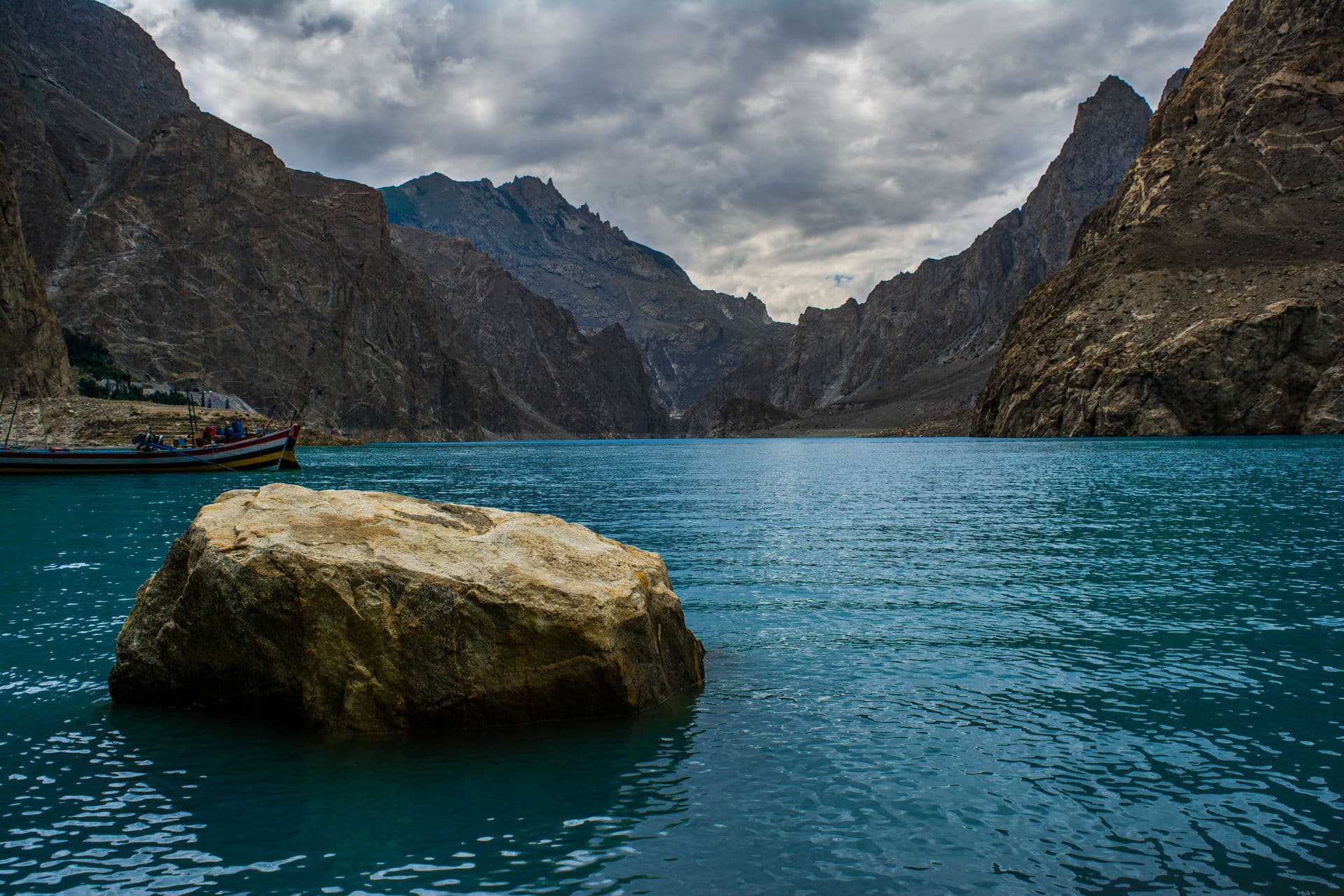
Karakoram Highway is one of the world’s most dramatic mountain roads, stretching from Hasan Abdal in Pakistan to the Khunjerab Pass on the China border. Carved through the meeting point of the Karakoram, Himalayas, and Hindu Kush ranges, it passes deep river gorges, towering peaks, and remote valleys shaped by the Indus River. Along the route lie iconic destinations such as Hunza Valley, known for its hospitality and breathtaking scenery, and cultural regions like the Kalash Valleys. The journey culminates at Khunjerab Pass, the highest paved international border crossing in the world, offering an unforgettable expedition through Pakistan’s northern mountain crown.
Summer Tour in Gilgit-Baltistan
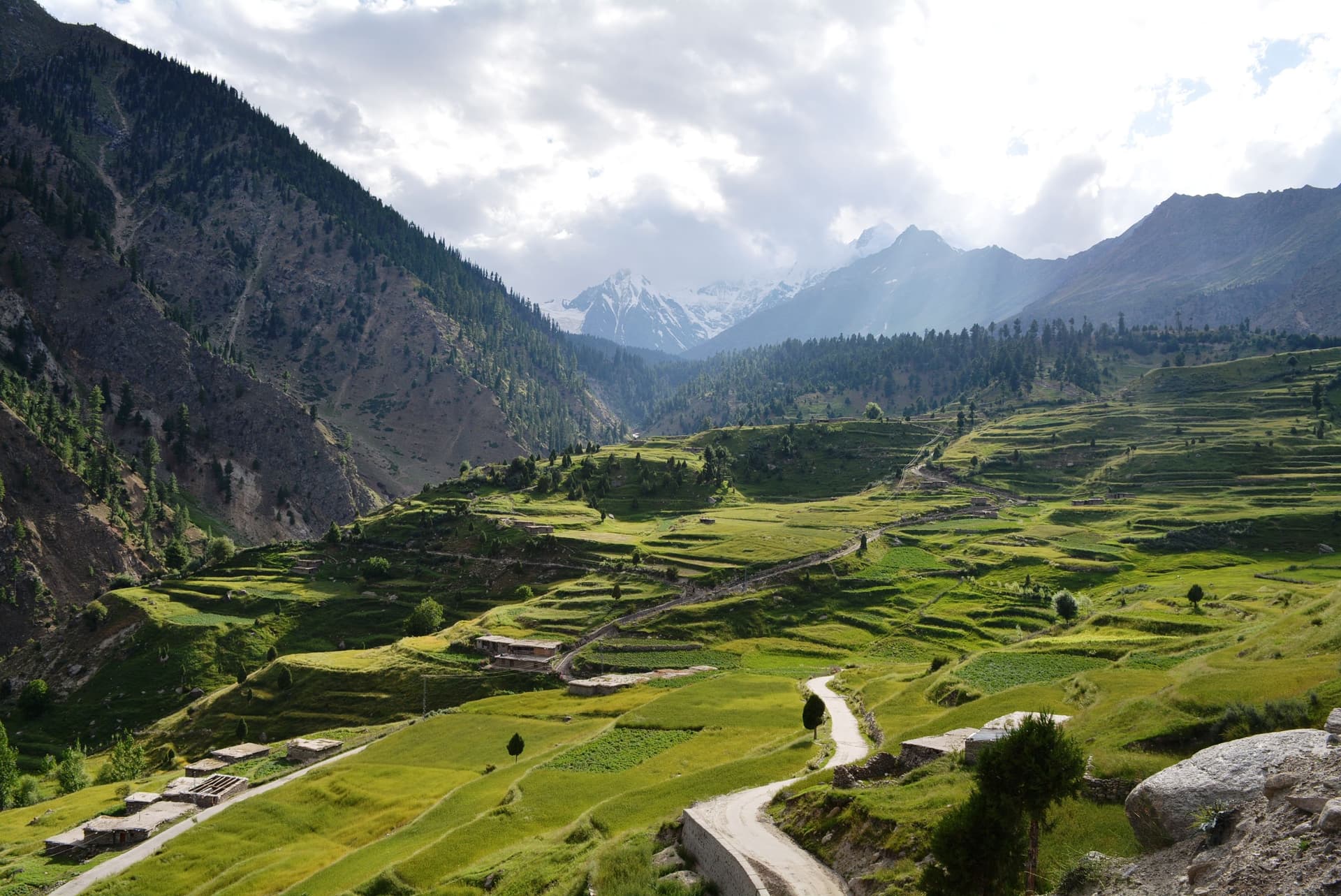
Gilgit-Baltistan transforms into a vibrant high-altitude paradise during summer, when snowmelt feeds crystal-clear rivers, alpine lakes, and lush green valleys. From June to August, the region becomes fully accessible, revealing iconic destinations such as Hunza Valley, Skardu Valley, and Astore Valley at their most colorful. Meadows in places like Deosai National Park, Fairy Meadows, and Naltar Valley bloom with wildflowers, while events like the Shandur Polo Festival bring cultural energy to the mountains. With mild temperatures and long sunny days, summer is the peak season for trekking, camping, and exploring Pakistan’s most dramatic landscapes, from Attabad Lake to Khunjerab Pass.
Skardu, Astore, Kharmang and Khaplu Valley Tour
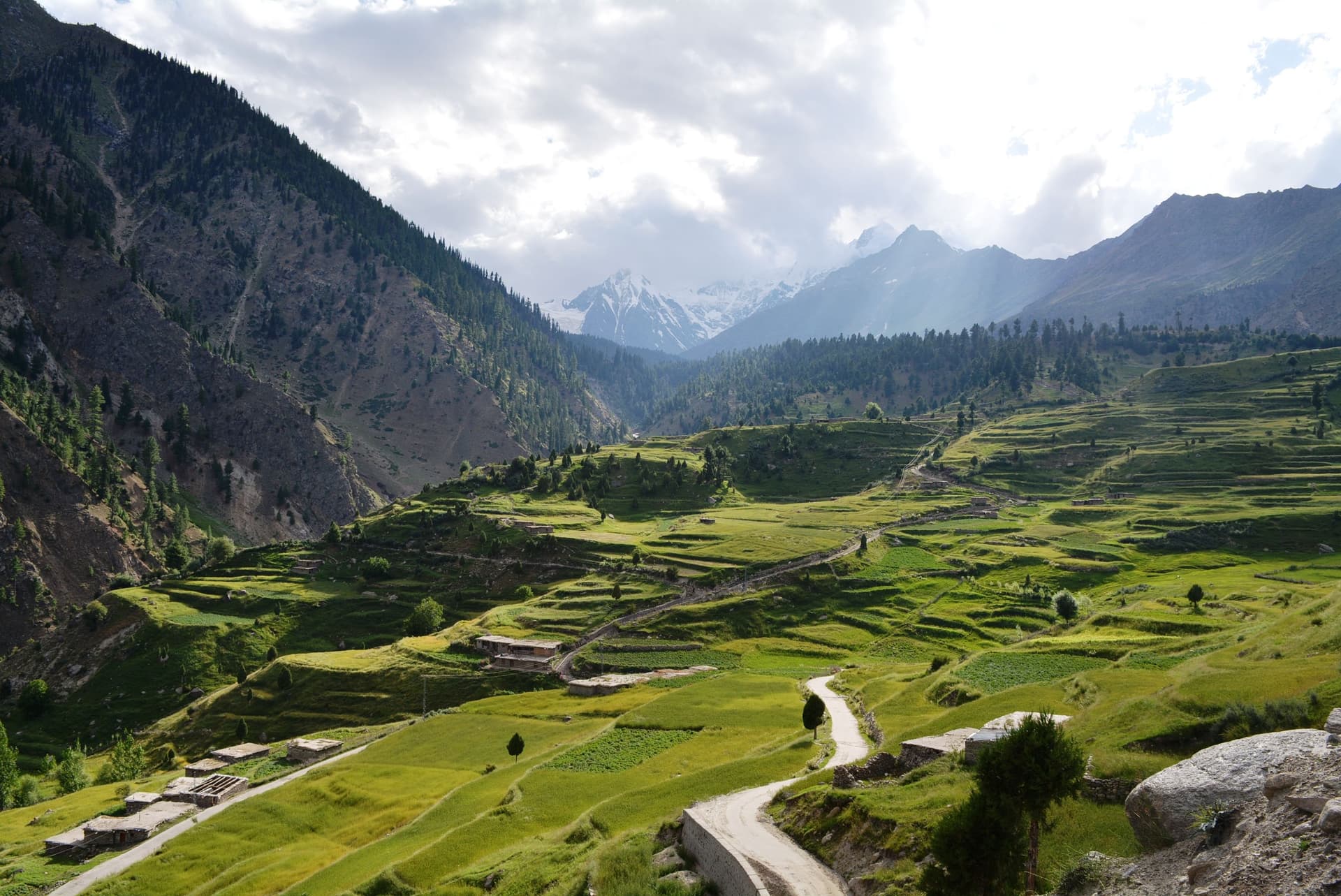
Baltistan is a breathtaking mountain region often called the “Land of Giants,” home to towering peaks, glaciers, and some of the world’s most dramatic landscapes. This tour explores its four iconic valleys—Skardu Valley, known for lakes, deserts, and access to K2; Astore Valley, famous for its alpine meadows beneath Nanga Parbat; Kharmang Valley, a hidden gem of waterfalls and traditional villages; and Khaplu Valley, rich in history and gateway to peaks like Masherbrum. Blending natural beauty with cultural heritage, this journey offers lakes, meadows, deserts, and centuries-old architecture, making it a complete exploration of Baltistan’s diverse landscapes and timeless mountain culture.
Starting from
Contact for Price