Neelum Valley & Arang Kel Tour
Journey through the Blue Gem of Pakistan and the Pearl of Neelum Valley
Neelum Valley & Arang Kel Tour
Journey through the Blue Gem of Pakistan and the Pearl of Neelum Valley
Journey through the Blue Gem of Pakistan and the Pearl of Neelum Valley
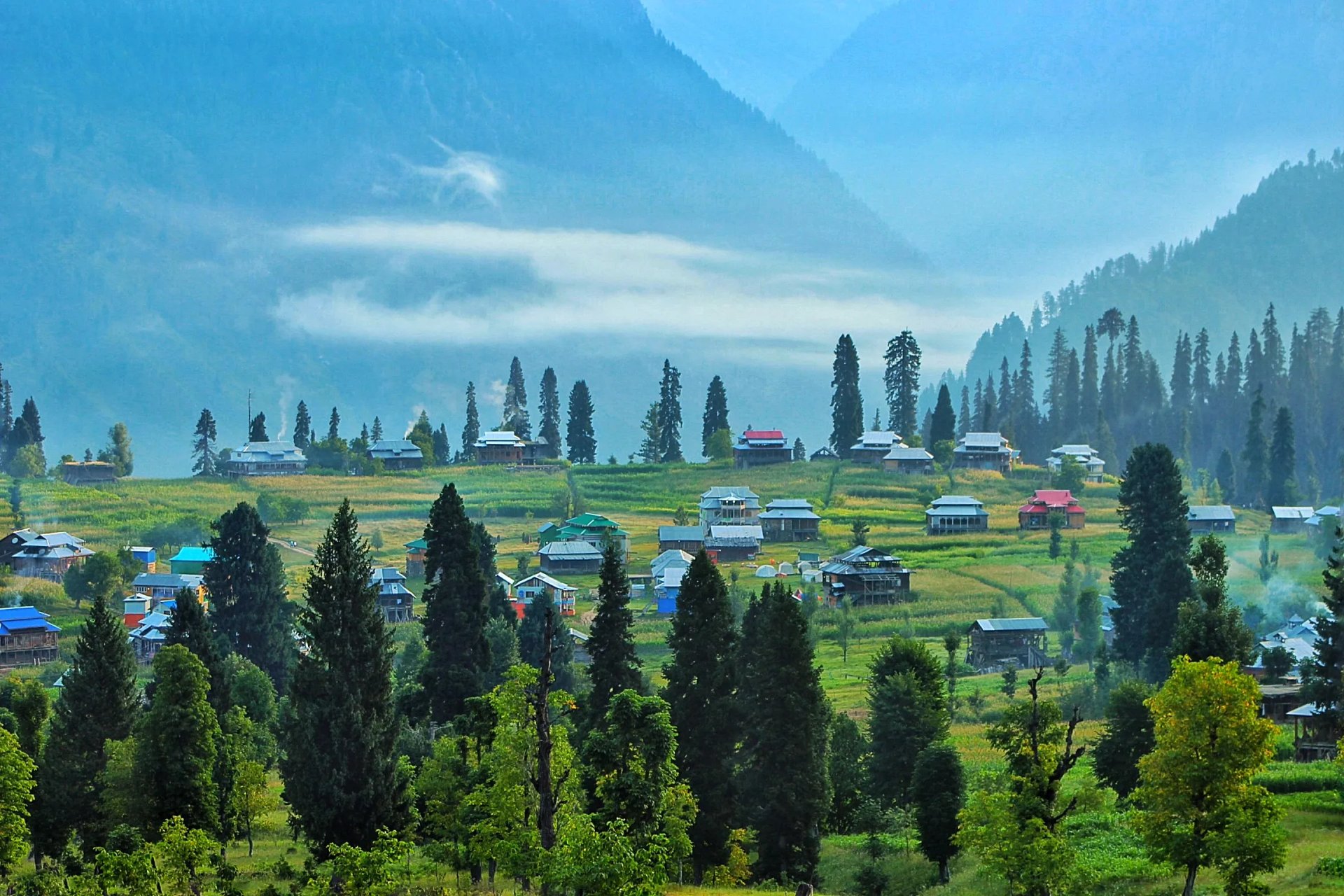
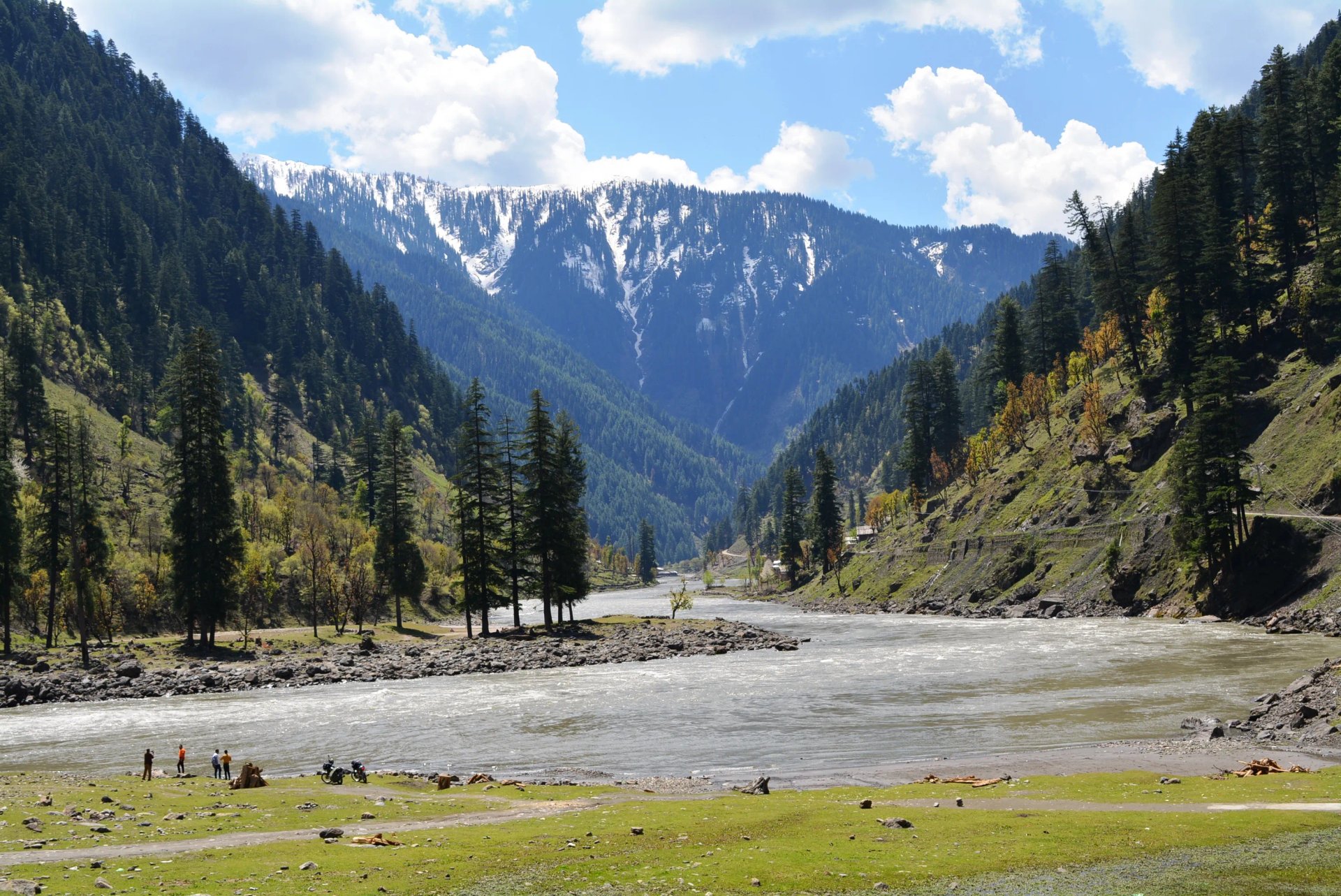
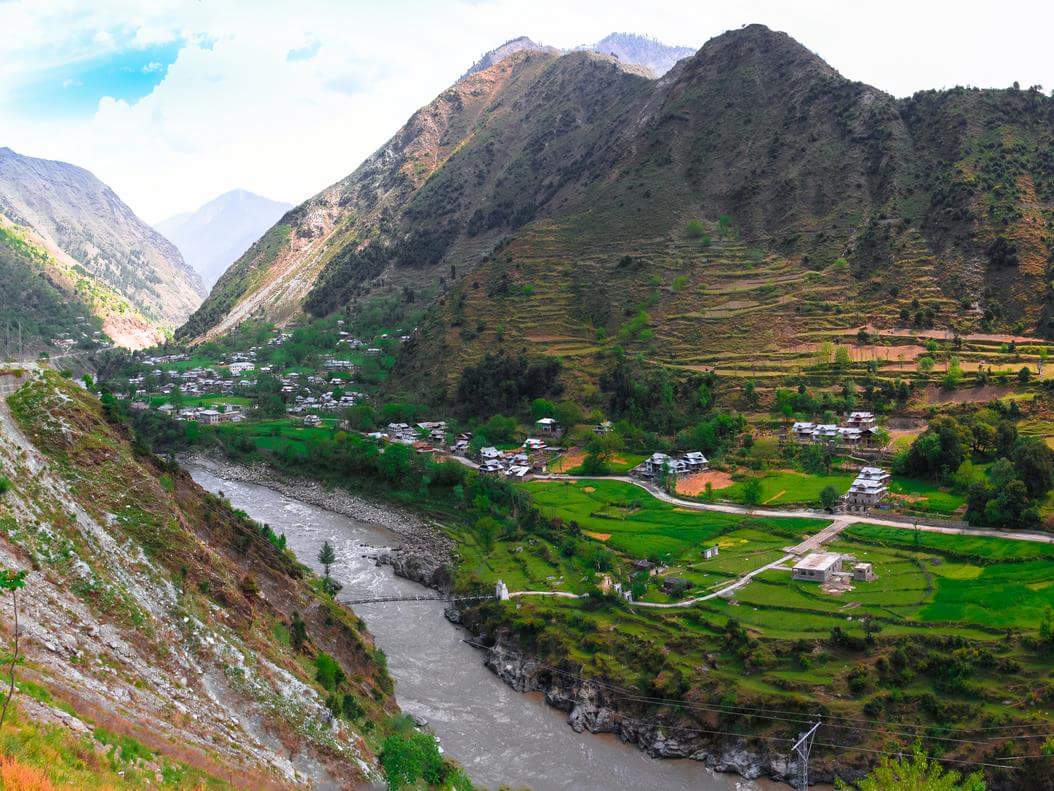
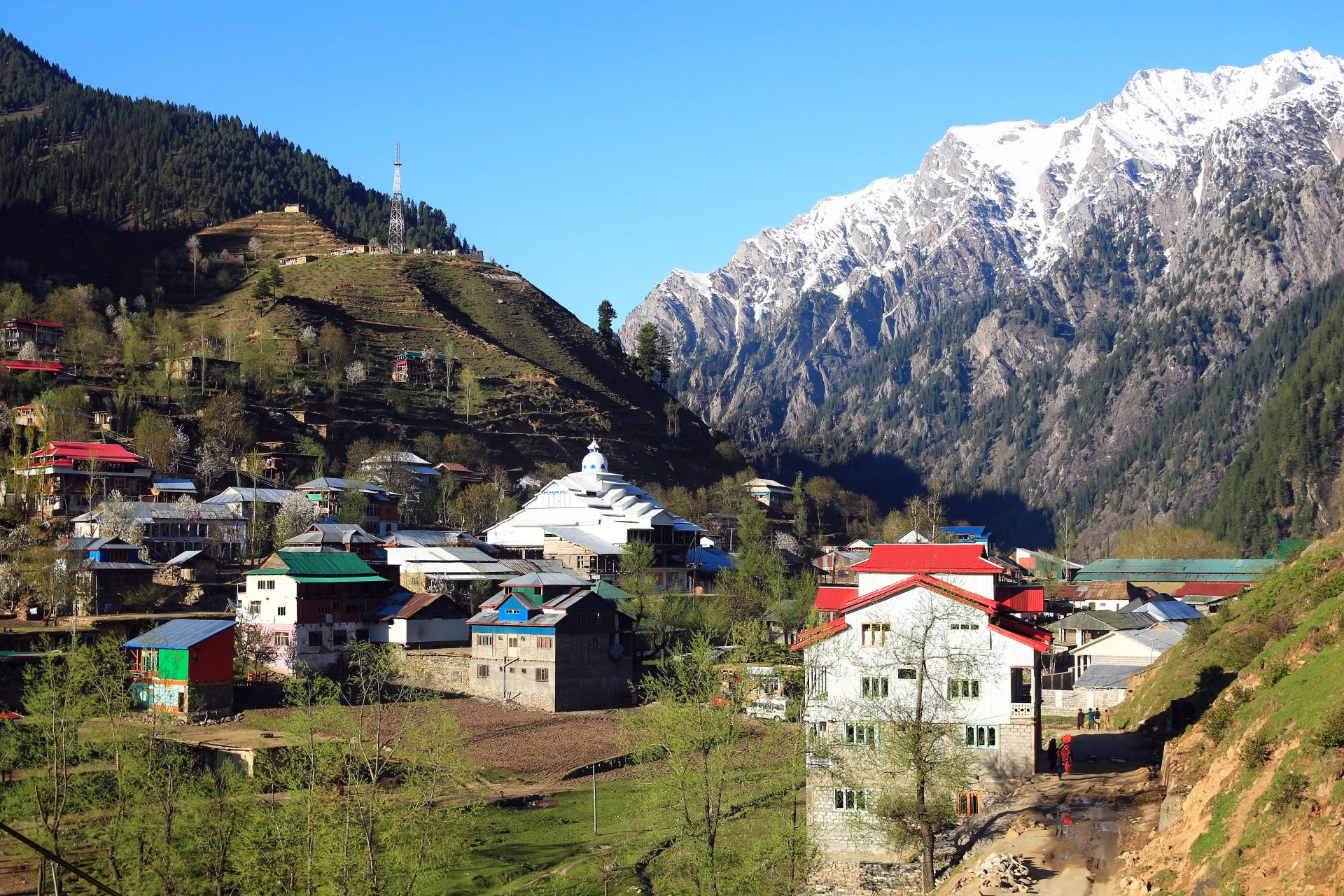
Neelum Valley is one of the most scenic regions of northern Pakistan, known for its lush green mountains, pine forests, and the turquoise flow of the Neelum River. Stretching from Muzaffarabad to Taobat, the valley is filled with picturesque villages, waterfalls, and historic sites like the ancient ruins of Sharda. A highlight of the journey is Arang Kel, a stunning alpine meadow accessible by chairlift and a short hike, offering breathtaking panoramic views. This tour is ideal for families and nature lovers seeking a relaxed experience, combining riverside beauty, cultural heritage, and peaceful mountain landscapes at a comfortable pace.
Trip Stats
Difficulty
Easy
Max Altitude
2,554 meters
Neelum Valley stretches over 144 kilometers through the northern part of Azad Jammu and Kashmir, running parallel to the Neelum River from Muzaffarabad to Taobat near the Line of Control . Locals call it the "Blue Gem of Pakistan" because of the river's turquoise waters that flow through pine forests, alpine meadows, and snow-capped peaks . This is Kashmir at its most beautiful—lush green mountains, wooden villages clinging to steep slopes, and the constant music of flowing water. Arang Kel sits at 8,379 feet above Kel village, often called the "Pearl of Neelum Valley" . To reach it, you cross the Neelum River by chairlift—a small box hanging in the air that gives you views of the river, trees, and mountains below—then hike for 45 minutes through shady forests and open meadows . When you finally step onto the meadow, the world opens up. Green fields stretch before you, wooden houses dot the landscape, and behind everything stand tall mountains protecting this peaceful place . The valley takes its name from the Neelum River, and every twist of the road reveals something new—Dhani Waterfall crashing down rock faces, Kutton's serene pools, the ancient ruins of Sharda University dating back to the 6th century CE when scholars traveled from across the subcontinent to study philosophy and Sanskrit . Keran offers riverside views of Indian-administered Kashmir across the Line of Control, while Taobat, the last village, feels like the end of the world with its wooden homes and dense pine forests . This tour is designed for travelers who want to experience Kashmir's beauty without extreme trekking. Families, couples, photographers, and nature lovers will find the pace comfortable and the rewards immense. The road from Islamabad to Muzaffarabad takes 4-5 hours, then another 4-5 hours to Sharda, with each kilometer more beautiful than the last . Alpine Karakoram Adventure has partnered with local families in Keran, Sharda, and Arang Kel who welcome guests with Kashmiri hospitality and traditional meals. This is not just a tour—it's an invitation into a world where mountains meet rivers and life moves at nature's pace.
Tour Highlights
Key landmarks, features, and route experiences
Cross the Neelum River by chairlift (doli) from Kel to Arang Kel base, a thrilling ride with panoramic views of the valley below
Trek through pine forests and meadows to reach Arang Kel, a hilltop village at 8,379 feet surrounded by wildflowers in summer
Walk among the ruins of Sharda Peeth, an ancient Buddhist university dating back to the 6th century CE where scholars once gathered from across Asia
Stay overnight in Keran, a peaceful riverside village with views of Indian-administered Kashmir across the Line of Control
Stand at Taobat, the last village of Neelum Valley, where wooden houses and dense forests create a fairytale atmosphere
Visit Dhani Waterfall, one of the most beautiful waterfalls in Kashmir, crashing down rock faces just 30 km from Muzaffarabad
Spend time at Kutton Waterfall (Jagran Waterfall), a dreamy spot perfect for photography and family picnics
Photograph the confluence of the Neelum and Jhelum rivers from Pir Chinasi viewpoint above Muzaffarabad
Explore Halmat, the northernmost village of Neelum Valley, with untouched natural beauty and traditional Kashmiri architecture
Walk through Sharda's old market and interact with local Kashmiri families, experiencing their legendary hospitality
Camp under stars at Arang Kel, with the Milky Way visible in the crystal-clear mountain sky
Taste fresh trout fish from the Neelum River, grilled with local spices and served with Kashmiri bread
Early morning departure from Islamabad at 6:00 AM to avoid traffic. Drive via Murree Expressway to Kohala Bridge, then continue to Muzaffarabad, the capital of Azad Kashmir . Breakfast stop in Muzaffarabad—try...
Silver Package
Standard hotels and group transport
Gold Package
PopularSuperior hotels and private jeep
Platinum Package
Luxury accommodation and private guide
What's Included & Excluded
Detailed breakdown of covered expedition logistics versus individual client responsibilities.
Included in Tour
- Twin-sharing accommodation in hotels, guesthouses, and camping
- Daily breakfast and all meals during trekking at Arang Kel
- All land transportation in air-conditioned vehicles with experienced drivers
- 4x4 jeeps for Sharda to Kel and Taobat sections
- English-speaking licensed guide with Alpine Karakoram Adventure
- Local specialist guides in Sharda and Arang Kel
- Chairlift (doli) tickets to Arang Kel and return
- All entrance fees to monuments and sites
- Camping equipment at Arang Kel (tents, mats, mess tent)
- Bottled drinking water during the tour
- Letter of invitation and NOC assistance for foreign travelers
- All taxes and service charges
Excluded (Client Account)
- International airfare to and from Pakistan
- Pakistan visa fee
- Travel insurance with medical coverage and evacuation
- Lunches not specified in inclusions
- Personal sleeping bag (rental available on request)
- Photography fees at sites with additional charges
- Personal expenses including laundry, souvenirs, phone calls
- Tips and gratuities for guides, drivers, and hotel staff
- Single room supplement
- Costs from unforeseen circumstances beyond our control
- Optional activities not specified
Complementary Tours
Explore adjacent climbing routes, customized trails, and remote alpine passes.
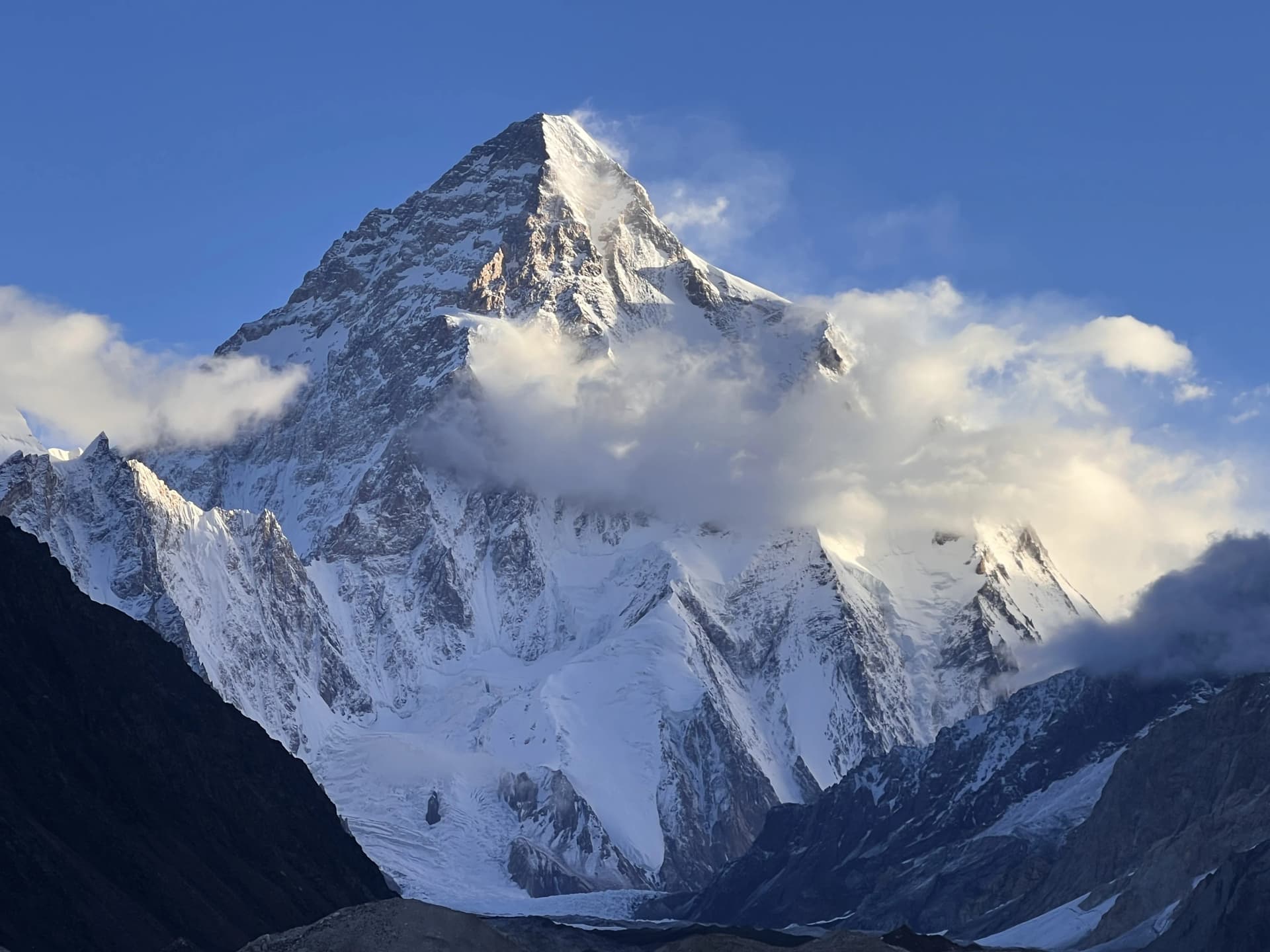
Test tour
This is description
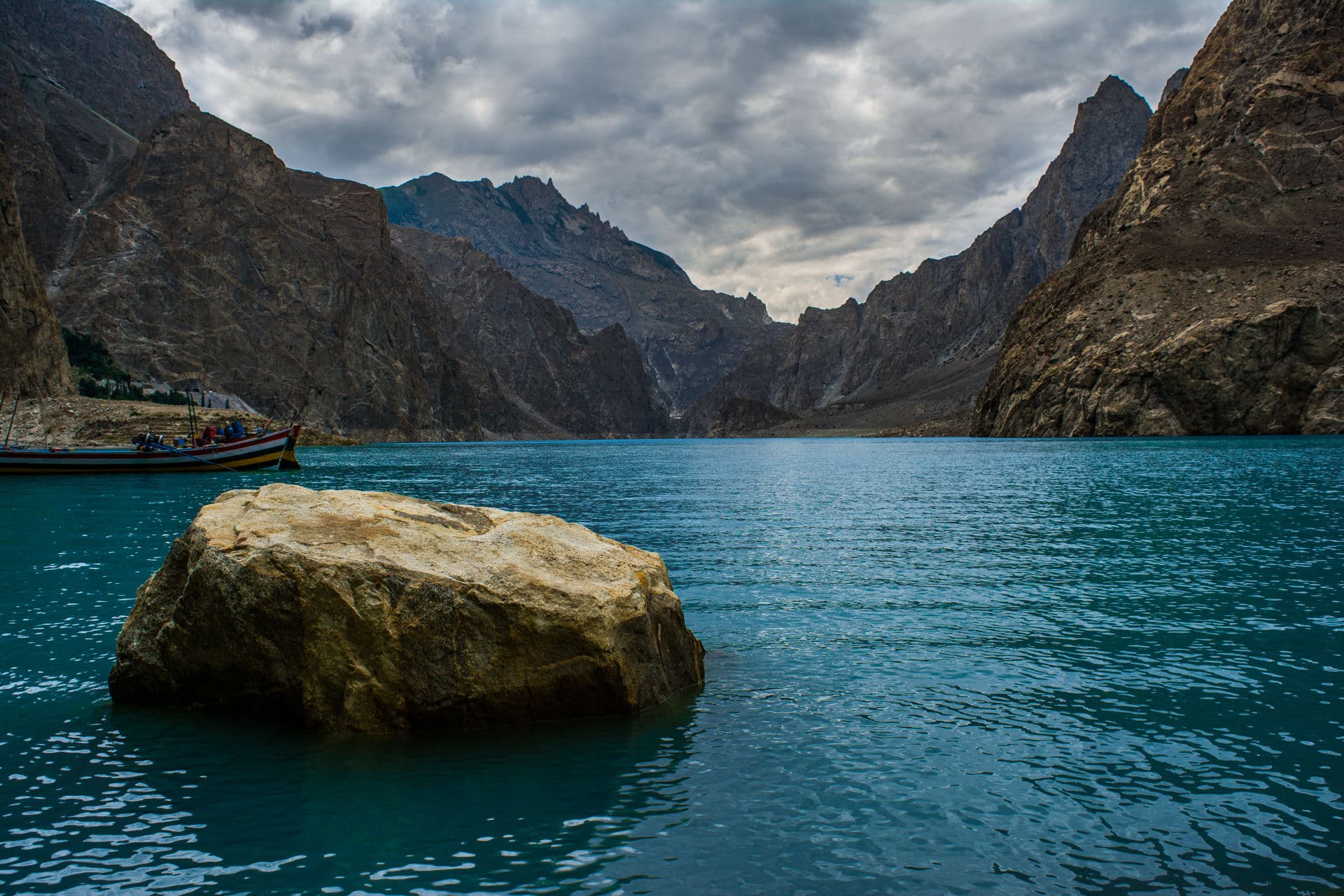
Three Ranges Tour: Karakoram, Himalayas & Hindu Kush
Karakoram Highway is one of the world’s most dramatic mountain roads, stretching from Hasan Abdal in Pakistan to the Khunjerab Pass on the China border. Carved through the meeting point of the Karakoram, Himalayas, and Hindu Kush ranges, it passes deep river gorges, towering peaks, and remote valleys shaped by the Indus River. Along the route lie iconic destinations such as Hunza Valley, known for its hospitality and breathtaking scenery, and cultural regions like the Kalash Valleys. The journey culminates at Khunjerab Pass, the highest paved international border crossing in the world, offering an unforgettable expedition through Pakistan’s northern mountain crown.
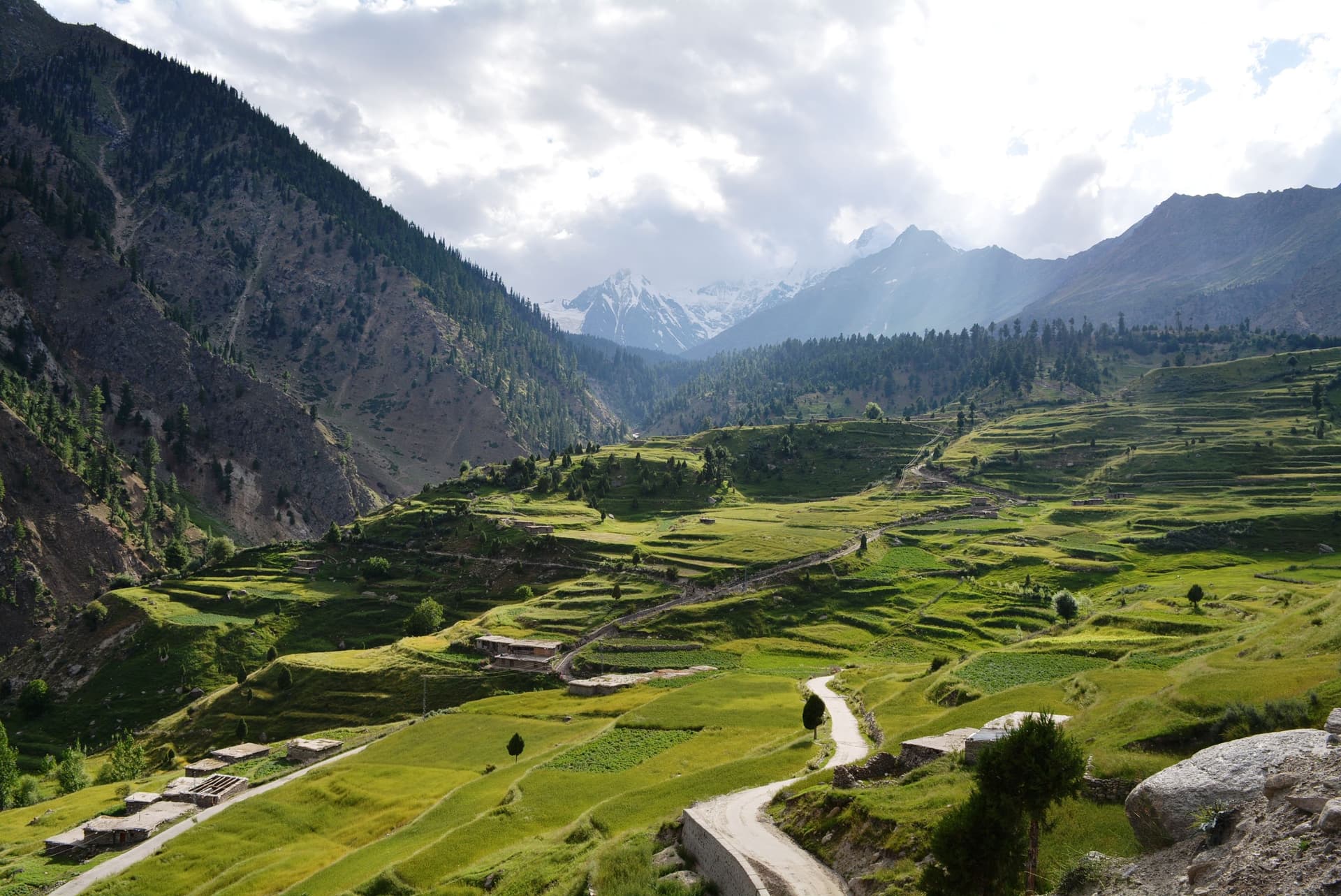
Summer Tour in Gilgit-Baltistan
Gilgit-Baltistan transforms into a vibrant high-altitude paradise during summer, when snowmelt feeds crystal-clear rivers, alpine lakes, and lush green valleys. From June to August, the region becomes fully accessible, revealing iconic destinations such as Hunza Valley, Skardu Valley, and Astore Valley at their most colorful. Meadows in places like Deosai National Park, Fairy Meadows, and Naltar Valley bloom with wildflowers, while events like the Shandur Polo Festival bring cultural energy to the mountains. With mild temperatures and long sunny days, summer is the peak season for trekking, camping, and exploring Pakistan’s most dramatic landscapes, from Attabad Lake to Khunjerab Pass.