
Historical and Ancient Places Tour of Pakistan
A 5,000-year journey through the cradle of civilizations, from the Indus Valley to the Mughal Empire.
Historical and Ancient Places Tour of Pakistan
A 5,000-year journey through the cradle of civilizations, from the Indus Valley to the Mughal Empire.
A 5,000-year journey through the cradle of civilizations, from the Indus Valley to the Mughal Empire.
Pakistan is home to one of the world’s richest archaeological and cultural heritages, spanning over 5,000 years of civilization. This historical journey explores ancient cities of the Indus Valley Civilization such as Mohenjo-Daro and Harappa, the Buddhist centers of Taxila and Swat Valley, and the Greco-Buddhist legacy of Gandhara. It also includes iconic Islamic and Mughal landmarks like Lahore and historic forts such as Rohtas Fort. From ancient universities to Sufi shrines and Silk Road relics, this tour offers a deep dive into the civilizations that shaped South Asia, blending archaeology, architecture, and living history into a single immersive experience.
Trip Stats
Difficulty
Easy
Max Altitude
980 meters
Wind Speed
10-20 km/h
Temperature
10°C to 25°C
Overview
Pakistan's soil holds some of the oldest and most remarkable archaeological treasures on earth, spanning over 5,000 years of human civilization. From the Indus Valley Civilization cities of Mohenjo-Daro and Harappa to the Gandharan Buddhist monasteries of Taxila and Swat, from the grand Mughal monuments of Lahore to the massive desert forts of Cholistan, this journey is a pilgrimage through time itself . The land where three great mountain ranges meet has also been the crossroads where empires clashed, ideas exchanged, and cultures blended for millennia. The Gandhara Civilization, centered in what is now northern Pakistan, was the crucible where Greek art met Buddhist thought after Alexander's armies passed through in 326 BCE, creating the unique Greco-Buddhist artistic tradition that would spread along the Silk Road to Central Asia and China . At Taxila, one of the world's earliest universities flourished from the 6th century BCE, attracting scholars from across Asia to study philosophy, medicine, and religion . The Buddhist monasteries at Takht-i-Bahi, perched on hilltops overlooking the Swat Valley, have stood since the 1st century CE, their stones still speaking of the monks who once walked their courtyards . The Indus Valley Civilization, contemporary with ancient Egypt and Mesopotamia, built meticulously planned cities at Mohenjo-Daro and Harappa around 2,500 BCE, with advanced sanitation systems and grid layouts that would not be matched for millennia . Later empires left their mark as well—the Sur Empire's Rohtas Fort, built in 1541 to subdue rebellious tribes, remains one of the most formidable military structures in South Asia . The Mughals adorned Lahore with gardens, mosques, and palaces that rank among the finest Islamic architecture anywhere in the world . This comprehensive historical tour weaves together all these threads—prehistoric, Buddhist, Hindu, Muslim, Sikh, and colonial—into a single narrative of Pakistan's rich and complex heritage. From the Sufi shrines of Multan, the "City of Saints," to the ancient rock carvings of the Silk Road in the Northern Areas, from the grand necropolis of Makli Hill to the living traditions of Lahore's Walled City, you will walk through layers of history that span five millennia . Alpine Karakoram Adventure has partnered with archaeologists, museum curators, and local historians who bring these ancient stones to life. We know the guards who will open closed gates, the scholars who can read the Kharosthi inscriptions, and the families who have lived beside these monuments for generations. This is not just a tour of ruins—it is a journey into the soul of a civilization.
Trip Highlights
What makes this trekking special
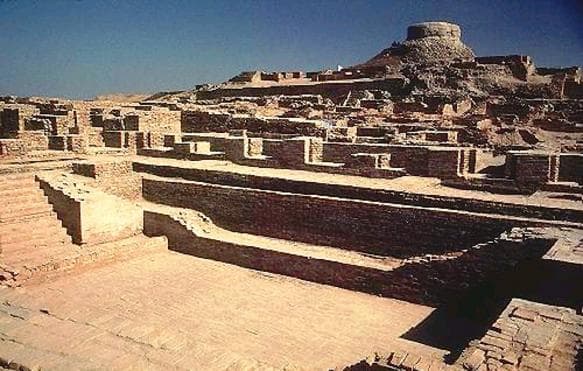
Walk through the 5,000-year-old streets of Mohenjo-Daro, the best-preserved Indus Valley Civilization city in South Asia, with its Great Bath and advanced urban planning
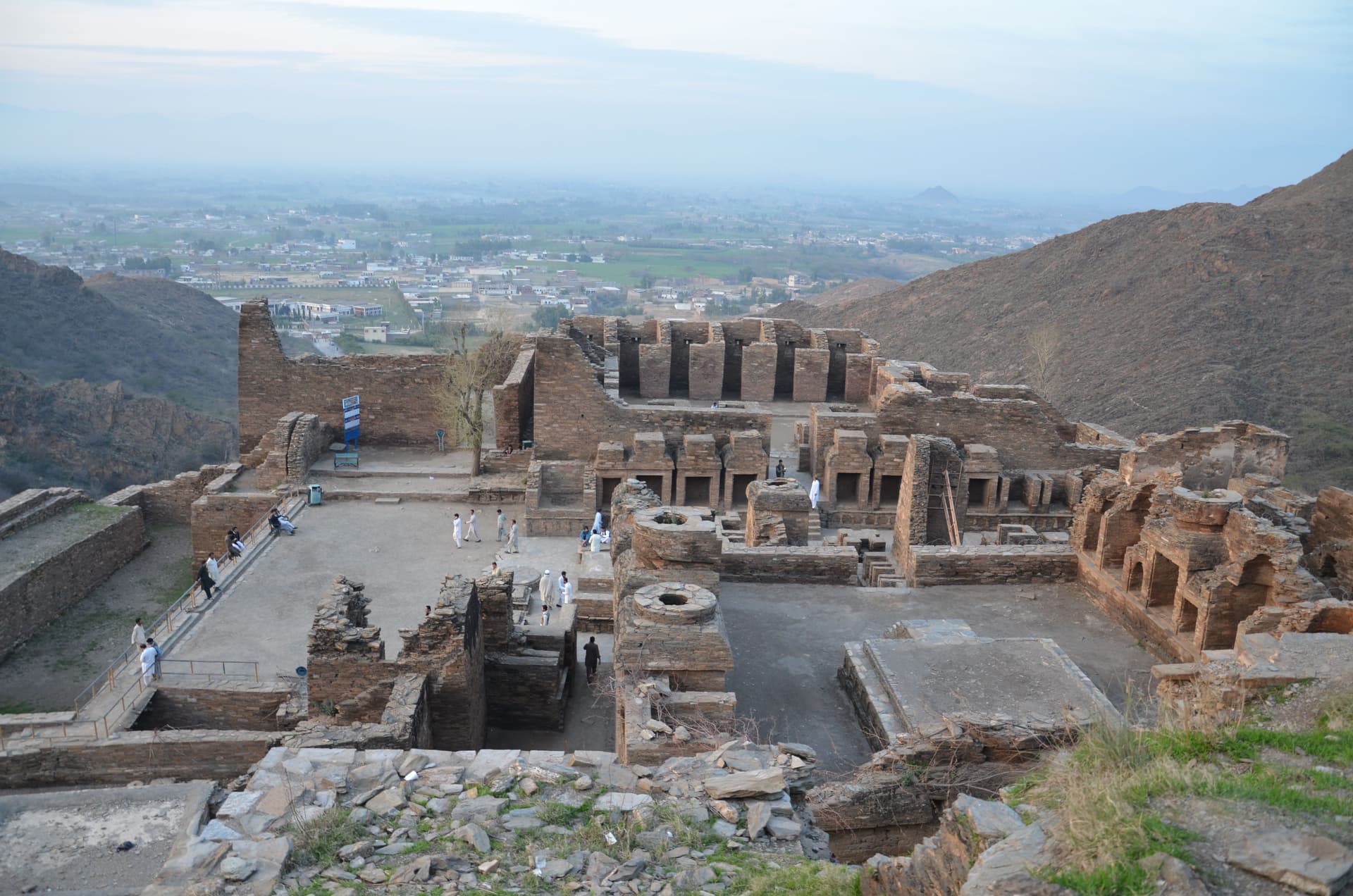
Explore the Buddhist monasteries of Takht-i-Bahi, a UNESCO World Heritage site perched on a hilltop, in continuous use from the 1st to 7th centuries CE
Visit Taxila, one of the world's oldest universities and a UNESCO World Heritage site with ruins spanning 600 BCE to 600 CE, including the Dharmarajika Stupa and Jaulian Monastery
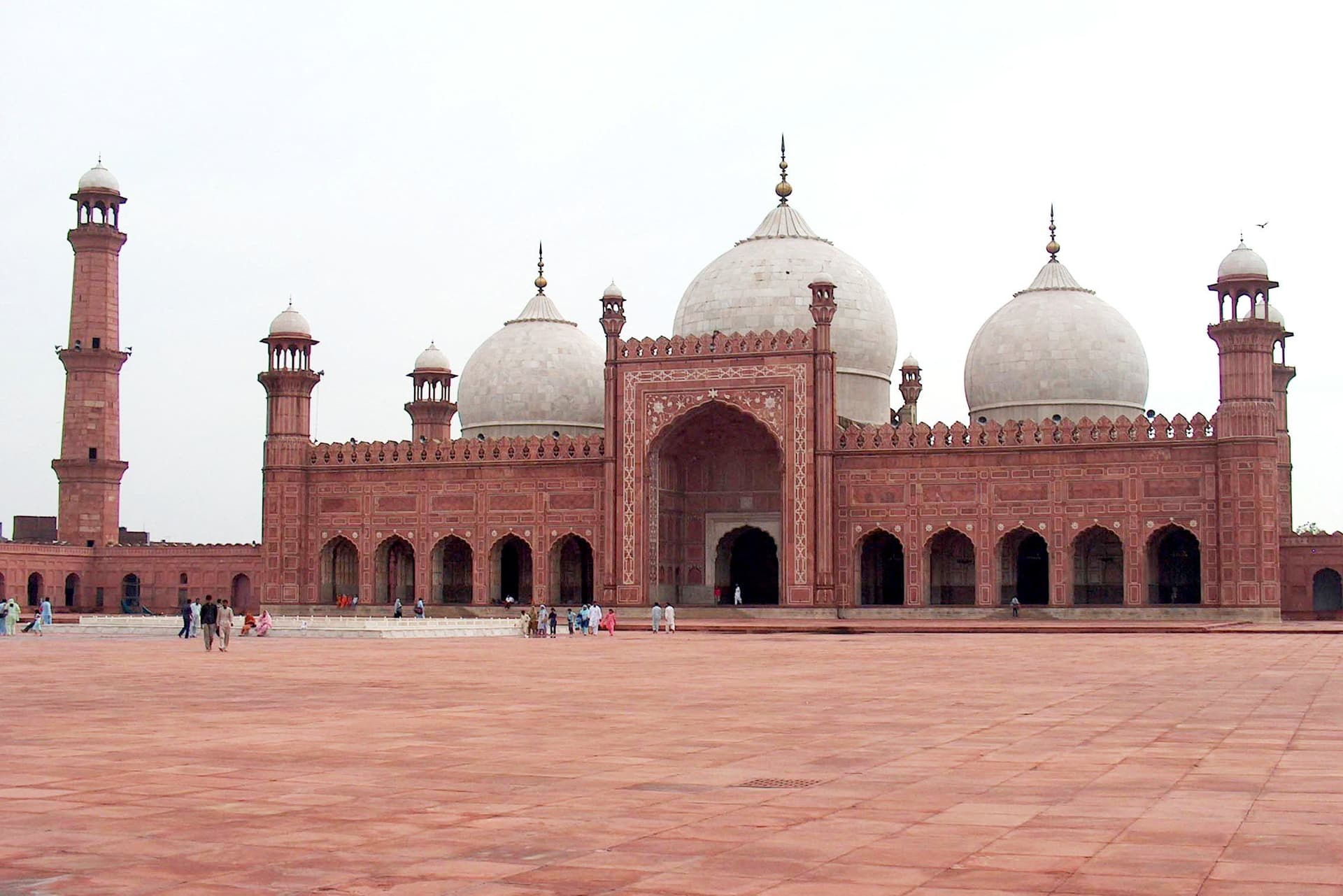
Wander through Lahore's Walled City, visiting the magnificent Badshahi Mosque, Lahore Fort, and the exquisite Wazir Khan Mosque with its unparalleled tile work
Stand at the Rohtas Fort, a 16th-century military masterpiece built by Sher Shah Suri, spanning 70 hectares with 12 monumental gates
Pay respects at the shrines of Multan, the "City of Saints," including the 700-year-old mausoleum of Shah Rukn-e-Alam with its stunning blue tile work
Witness the daily flag-lowering ceremony at Wagah Border, where Indian and Pakistani soldiers perform an elaborate ritual full of pageantry since 1959
Explore the ancient rock carvings and petroglyphs at Chilas along the Karakoram Highway, bearing witness to Buddhist travelers on the Silk Road
Discover the Swat Valley's Buddhist heritage at Butkara Stupa and the carved Buddha figures, remnants of the Udyana kingdom where Buddhism flourished
Visit the Peshawar Museum, home to one of the world's finest collections of Gandharan Buddhist sculpture
Explore the Makli Necropolis near Thatta, one of the largest funerary sites in the world, with tombs and graves spanning 400 years of Sindhi royalty and saints
Walk through the ancient Hindu temples at Katas Raj, associated with the Pandavas from the Mahabharata epic
Day by Day Itinerary
Arrive at Jinnah International Airport, Karachi. Our representative meets you with an Alpine Karakoram Adventure signboard and transfers you to your hotel. Karachi, Pakistan's largest city and economic hub, sits on the Arabian Sea coast. Afternoon city tour if time permits—visit the Mohatta Palace Museum, a stunning example of Rajasthani architecture, and the Mazar-e-Quaid, the magnificent mausoleum of Pakistan's founder, Muhammad Ali Jinnah . Evening briefing with your guide about the historical journey ahead. Overnight in Karachi. • Distance: 30 km from airport • Altitude: Sea level • Accommodation: Hotel in Karachi • Meals: Breakfast, Dinner
Drive east to the Makli Hills, one of the largest necropolises in the world, spread over 10 square kilometers with tombs and graves spanning 400 years of Sindhi royalty, saints, and scholars . The site is a UNESCO World Heritage location, with exquisite funerary architecture blending Islamic, Hindu, and Persian influences. Continue to Thatta, the medieval capital of Sindh, to visit the Shah Jahan Mosque, built in 1647 during the reign of that famed Mughal emperor. The mosque's 93 domes and exquisite tile work make it one of the most beautiful in Pakistan. Return to Karachi for overnight. • Distance: 200 km round trip, 4-5 hours driving • Altitude: Sea level to 50m • Accommodation: Hotel in Karachi • Meals: Breakfast, Lunch, Dinner
Morning flight to Sukkur, then drive to Mohenjo-Daro, the crown jewel of the Indus Valley Civilization. Dating to 2,500 BCE, this UNESCO World Heritage site is the best-preserved Bronze Age city in South Asia . Explore the Great Bath, a remarkably sophisticated water tank that may have been used for ritual purification; the Granary, with its massive brick foundations; the College Square, where priests may have taught; and the intricate drainage systems that demonstrate advanced urban planning. The site museum holds artifacts including the famous "Priest-King" statue and seals with undeciphered Indus script. Overnight at the Mohenjo-Daro rest house or nearby Sukkur. • Distance: Flight 450 km, local driving 40 km • Altitude: 50m • Accommodation: Mohenjo-Daro rest house or Sukkur hotel • Meals: Breakfast, Lunch, Dinner
Drive to Bahawalpur, the former princely state known for its Nawabi architecture and desert culture. Established in 1748 for the Abbasi family of nawabs, the city is a gateway to the Cholistan Desert . Afternoon visit to the imposing Faiz Mahal Palace, a beautiful example of Sobho architecture that served as the seat of the ruling family. Evening exploration of the local bazaars. Overnight in Bahawalpur. • Distance: 400 km, 7-8 hours driving • Altitude: 150m • Accommodation: Hotel in Bahawalpur • Meals: Breakfast, Lunch, Dinner
Full day excursion into the Cholistan Desert to visit Derawar Fort, a massive square fortress with 40 bastions rising 30 meters from the desert floor. Built in the 9th century and later captured by the Abbasi family in 1733, the fort is one of the most impressive in Pakistan . Explore the fort's interior and climb the bastions for panoramic views of the surrounding desert. Visit nearby royal tombs with their distinctive blue tile work. Return to Bahawalpur by evening. Optional: camel safari experience for those interested. • Distance: 200 km round trip, 4-5 hours driving • Altitude: 150m • Accommodation: Hotel in Bahawalpur • Meals: Breakfast, Lunch, Dinner
Drive north to Harappa, another UNESCO World Heritage site of the Indus Valley Civilization, founded over 5,000 years ago . Though smaller and less preserved than Mohenjo-Daro, Harappa offers fascinating insights into Bronze Age urban life. Explore the excavated areas and the excellent museum housing artifacts from the site. Continue to Multan, the "City of Saints," arriving by evening. Overnight in Multan. • Distance: 300 km, 6-7 hours driving • Altitude: 130m • Accommodation: Hotel in Multan • Meals: Breakfast, Lunch, Dinner
Full day exploring Multan's spiritual and architectural heritage. Morning visit to the Shrine of Shah Rukn-e-Alam, a masterpiece of Islamic architecture over 700 years old, with its massive dome and intricate blue tile work that has become Multan's signature . Continue to the Shrine of Bahauddin Zakariya, one of the most revered Sufi saints in South Asia. Afternoon visit to the Shrine of Shah Shams Tabrez, known for its peaceful atmosphere and traditional rituals . Explore the Hussain Agahi Bazaar, one of the oldest markets in Multan, ideal for shopping Multani blue pottery and camel skin products. Visit the partially ruined Multan Fort and the colonial-era Ghanta Ghar (Clock Tower) . Evening free to sample Multani cuisine, including the famous Sohan Halwa sweet. Overnight in Multan. • Distance: Local exploration • Altitude: 130m • Accommodation: Hotel in Multan • Meals: Breakfast, Dinner
Drive to Lahore along the historic Grand Trunk Road, one of Asia's oldest and most important roads, built by the Mauryan Empire and later improved by Sher Shah Suri . En route, stop at Harappa if missed on Day 6, or visit the ancient Hindu temples at Katas Raj, associated with the Pandavas from the Mahabharata epic . Arrive in Lahore by evening. Check into your hotel. Overnight in Lahore. • Distance: 330 km, 5-6 hours driving • Altitude: 215m • Accommodation: Hotel in Lahore • Meals: Breakfast, Lunch, Dinner
Full day exploring Lahore's Mughal heritage. Morning visit to the Lahore Fort (Shahi Quila), a UNESCO World Heritage site covering 20 hectares, built primarily by Emperor Akbar between 1556 and 1605 . Explore the Sheesh Mahal (Palace of Mirrors), Alamgiri Gate, Naulakha Pavilion, and Moti Masjid, each representing different phases of Mughal architecture. Adjacent to the fort stands the Badshahi Mosque, built in 1673 by Emperor Aurangzeb, capable of accommodating 60,000 worshippers and the second largest mosque in Pakistan . Afternoon visit to the Shalimar Gardens, laid out in 1641 by Emperor Shah Jahan, a masterpiece of Mughal garden design with three terraces, 410 fountains, and exquisite marble pavilions . Visit the Tomb of Jahangir in Shahdara, the magnificent mausoleum of the fourth Mughal emperor, known for its intricate pietra dura inlay . Evening free to explore the Food Street for authentic Punjabi cuisine. Overnight in Lahore. • Distance: Local exploration • Altitude: 215m • Accommodation: Hotel in Lahore • Meals: Breakfast, Dinner
Morning exploration of the Walled City of Lahore, entering through the majestic Delhi Gate. Visit the Wazir Khan Mosque, built in 1634 and arguably the most beautifully decorated mosque in the Mughal Empire, with its exquisite tile work and frescoes covering every surface . Adjacent is the Shahi Hamam (Royal Bath), a Persian-style public bath from the Mughal era, restored with UNESCO award-winning conservation . Walk through the Calligraphers' Bazaar and explore the colorful lanes of the old city. Afternoon visit to the Tomb of Allama Iqbal, Pakistan's national poet, adjacent to the Badshahi Mosque . Visit the Fakir Khana Museum, a private museum in a haveli housing 30,000 items from British, Sikh, and Mughal eras, including relics from the Prophet Muhammad's (PBUH) time . Evening at leisure. Overnight in Lahore. • Walking: 3-4 hours through Walled City • Altitude: 215m • Accommodation: Hotel in Lahore • Meals: Breakfast, Dinner
Morning visit to Gurdwara Dera Sahib, the significant Sikh shrine commemorating the martyrdom of the fifth Sikh Guru, Guru Arjan Dev Ji, in 1606 . Visit the Sikh-era buildings and Samadhi of Maharaja Ranjit Singh adjacent to the Badshahi Mosque. Afternoon excursion to the Wagah Border, 30 minutes from Lahore, to witness the famous flag-lowering ceremony between India and Pakistan . Since 1959, soldiers from both sides have performed this elaborate daily ritual, full of flamboyant pageantry and cheering crowds on both sides. Return to Lahore for overnight. • Distance: 60 km round trip, 3-4 hours • Altitude: 215m • Accommodation: Hotel in Lahore • Meals: Breakfast, Dinner
Drive northwest to Rohtas Fort, a UNESCO World Heritage site built by Sher Shah Suri in 1541 to subdue the rebellious Gakhar tribe and block Humayun's return from Persia . Spanning 70 hectares with 4 kilometers of walls and 12 monumental gates, it is one of the largest and most formidable forts in South Asia. Explore the Sohail Gate, the ceremonial entrance with exquisite masonry; the Shahi Mosque; and the massive Kabuli Gate with its stepwell . The fort remains remarkably intact and is still inhabited, making it one of the few living forts in the world. Continue to Islamabad, arriving by evening. Overnight in Islamabad. • Distance: 300 km, 5-6 hours driving • Altitude: 540m • Accommodation: Hotel in Islamabad • Meals: Breakfast, Lunch, Dinner
Full day exploration of Taxila, one of the most important archaeological sites in the subcontinent, a UNESCO World Heritage site . Morning visit to the Taxila Museum, housing some of the finest Buddhist sculpture in the world, including artifacts from 600 BCE to 600 CE . Explore the Dharmarajika Stupa and Monastery, the largest stupa complex in Taxila, dating to the 2nd century CE . Continue to Jaulian Monastery, a well-preserved hilltop complex with twin stupa courts and monastic cells, offering panoramic views of the surrounding valley . Afternoon visit to Sirkap, the second city of Taxila built by Indo-Greek kings in the 2nd century BCE, with its distinctive Greek grid layout and the remains of Buddhist, Hindu, and Jain temples . Explore the Bhir Mound, the earliest city, dating to the 6th century BCE. Return to Islamabad for overnight. • Walking: 4-5 hours at archaeological sites • Altitude: 540m • Accommodation: Hotel in Islamabad • Meals: Breakfast, Lunch, Dinner
Drive to Peshawar, the frontier city where Central Asia meets the subcontinent, via the historic Grand Trunk Road. En route, stop where the road crosses the Indus River at Attock to photograph the meeting point of the Indus and Kabul rivers . Arrive in Peshawar by afternoon. Check into your hotel. Evening walk through the Qissa Khwani Bazaar (Street of Storytellers), where caravans once arrived from Kabul, Samarkand, and beyond, and where tales were traded alongside goods . Visit the Mohabat Khan Mosque, its Mughal architecture glowing in evening light. Overnight in Peshawar. • Distance: 180 km, 4-5 hours driving • Altitude: 340m • Accommodation: Hotel in Peshawar • Meals: Breakfast, Lunch, Dinner
Morning visit to the Peshawar Museum, home to one of the world's most important collections of Gandharan Buddhist sculpture, with over 4,000 pieces including the famous fasting Buddha . After obtaining necessary permissions, drive to the Khyber Pass, one of the most historic and strategic land routes into the Indian subcontinent . Many invaders, including Alexander the Great, have used this route. Visit the Khyber Railway and, permissions allowing, reach Michni Post for panoramic views of the Pak-Afghan border and the Jalalabad province of Afghanistan beyond. Return to Peshawar. Evening exploration of the Kasera Bazaar (Street of Gold) and the historic Karavan Serai. Overnight in Peshawar. • Distance: 90 km round trip, 4-5 hours • Altitude: 340m • Accommodation: Hotel in Peshawar • Meals: Breakfast, Lunch, Dinner
Drive to the Swat Valley, once a major center of Buddhist learning known as Udyana, "the garden" of ancient Gandhara . The valley of Swat (3,250 feet above sea level) is surrounded by the mighty Hindu Kush and Karakoram ranges, a land rich with fruit-laden orchards and tumbling streams . En route, stop at Takht-i-Bahi, a UNESCO World Heritage Buddhist monastery perched on a hilltop, in continuous use from the 1st to 7th centuries CE . Explore the Stupa Court, monastic chambers, and the Tantric meditation cells . Continue to Mingora, the twin capital of Swat with Saidu Sharif. Check into your hotel. Overnight in Swat Valley. • Distance: 200 km, 5-6 hours driving • Altitude: 980m • Accommodation: Hotel in Swat • Meals: Breakfast, Lunch, Dinner
Full day exploring Swat's Buddhist heritage. Morning visit to Butkara I Stupa, one of the most important Buddhist sites in Swat, with a history spanning from the 3rd century BCE to the 10th century CE . The site's museum displays artifacts from Italian archaeological excavations. Continue to Jahanabad to see the impressive 7-meter tall Buddha carving carved into the rock face, dating to the 7th century CE . Afternoon excursion to the Lower Swat Valley, visiting the ancient town of Barikot (Bazira), besieged by Alexander the Great in 326 BCE . Explore the excavated Indo-Greek fortifications and the nearby Gumbat Stupa, one of the best-preserved stupas in Swat. Visit the Shingardar Stupa and the Gogdara Rock Carvings, with 3,000-year-old engravings of animals and war chariots . Return to Swat for overnight. • Distance: 100 km local driving, 4-5 hours with stops • Altitude: 980m • Accommodation: Hotel in Swat • Meals: Breakfast, Lunch, Dinner
Morning drive from Swat Valley to Islamabad via the scenic route. En route, stop at the ancient rock carvings at Shatial along the Karakoram Highway, bearing witness to Buddhist travelers on the Silk Road . Arrive in Islamabad by afternoon. Transfer to Islamabad International Airport for your international flight. The Historical & Ancient Places Tour ends here, but the memories of 5,000 years of civilization—from the Great Bath of Mohenjo-Daro to the Badshahi Mosque of Lahore, from the stupas of Takht-i-Bahi to the gates of Rohtas Fort—stay with you. • Distance: 280 km, 5-6 hours driving • Altitude: 980m to 540m • Transfer: Islamabad International Airport • Meals: Breakfast
For those wishing to explore the Buddhist rock art and ancient Silk Road sites of the Northern Areas, a flight from Islamabad to Gilgit opens up the Chilas petroglyphs, the 7th-century Kargah Buddha near Gilgit, and the ancient forts of Hunza with their 700-year history. This extension adds 7 days to the main itinerary and requires June-September travel.
Note: The Historical & Ancient Places Tour involves extensive walking at archaeological sites—comfortable walking shoes are essential. Winter (October-March) offers the most pleasant temperatures for site exploration, especially in the southern regions. Summer months can be extremely hot, particularly at Mohenjo-Daro and in the Punjab plains. Photography is generally allowed at sites, but some museums and shrines restrict photography inside—always ask permission. Foreign travelers require NOCs for the Khyber Pass excursion; Alpine Karakoram Adventure arranges all necessary documentation. Site opening hours vary seasonally, and some sites close on certain days; your guide will adjust daily plans accordingly. Alpine Karakoram Adventure plans for reality so that you can focus on the millennia of history around you.
What's Included
Included
11 items included
- Twin-sharing accommodation in hotels and rest houses throughout
- All meals as specified (breakfast, lunch, dinner) during the tour
- Domestic flights Karachi-Sukkur and Islamabad-Gilgit (if extension taken)
- All land transportation in air-conditioned vehicles with experienced drivers
- English-speaking licensed guide with Alpine Karakoram Adventure
- Local specialist guides at major archaeological sites
- All entrance fees to monuments, museums, forts, and archaeological sites
- Khyber Pass permit fees and documentation
- Bottled drinking water during the tour
- Letter of invitation for Pakistan visa application
- All taxes and service charges
Not Included
11 items not included
- International airfare to and from Pakistan
- Pakistan visa fee
- Travel insurance with medical coverage and evacuation (mandatory)
- Lunches and dinners not specified in inclusions
- Photography fees at sites with additional charges
- Personal expenses including laundry, souvenirs, phone calls
- Tips and gratuities for guides, drivers, and hotel staff
- Single room supplement
- Costs from unforeseen circumstances beyond our control
- Domestic flights for Northern Areas extension
- Optional activities not specified
We understand that every traveler has unique historical interests. The inclusions above represent our standard historical touring package. However, Alpine Karakoram Adventure can customize your plan based on your preferred periods—Indus Valley, Gandharan, Mughal, or Sikh heritage—and your academic or personal interests.
What Our Adventurers Say
Authentic reviews from fellow trekkers who completed this tour
Based on 0 reviews
Be the first to review this tour!
Similar Tours
Discover more incredible adventures in the Karakoram
Three Ranges Tour: Karakoram, Himalayas & Hindu Kush
Karakoram Highway is one of the world’s most dramatic mountain roads, stretching from Hasan Abdal in Pakistan to the Khunjerab Pass on the China border. Carved through the meeting point of the Karakoram, Himalayas, and Hindu Kush ranges, it passes deep river gorges, towering peaks, and remote valleys shaped by the Indus River. Along the route lie iconic destinations such as Hunza Valley, known for its hospitality and breathtaking scenery, and cultural regions like the Kalash Valleys. The journey culminates at Khunjerab Pass, the highest paved international border crossing in the world, offering an unforgettable expedition through Pakistan’s northern mountain crown.
Summer Tour in Gilgit-Baltistan
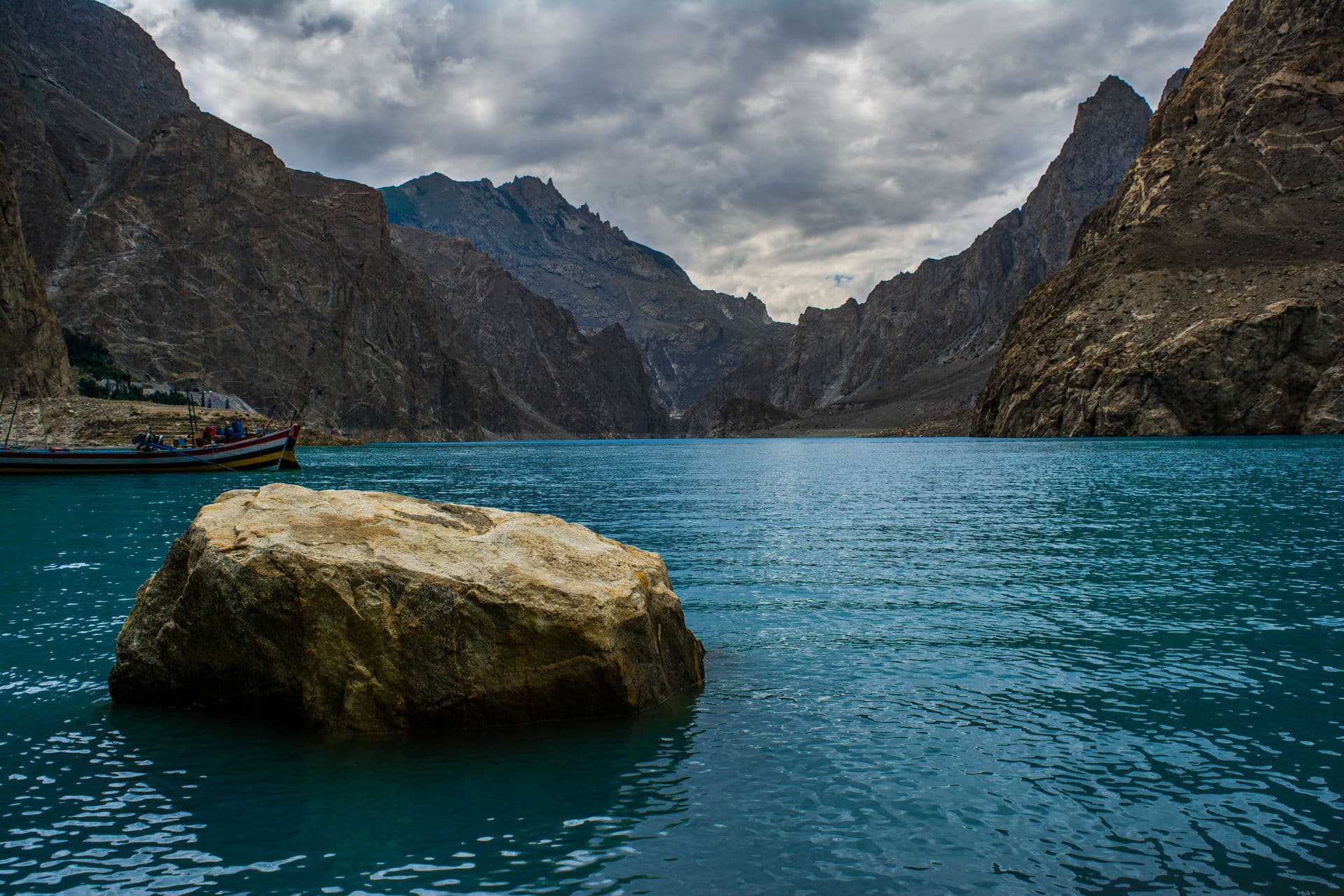
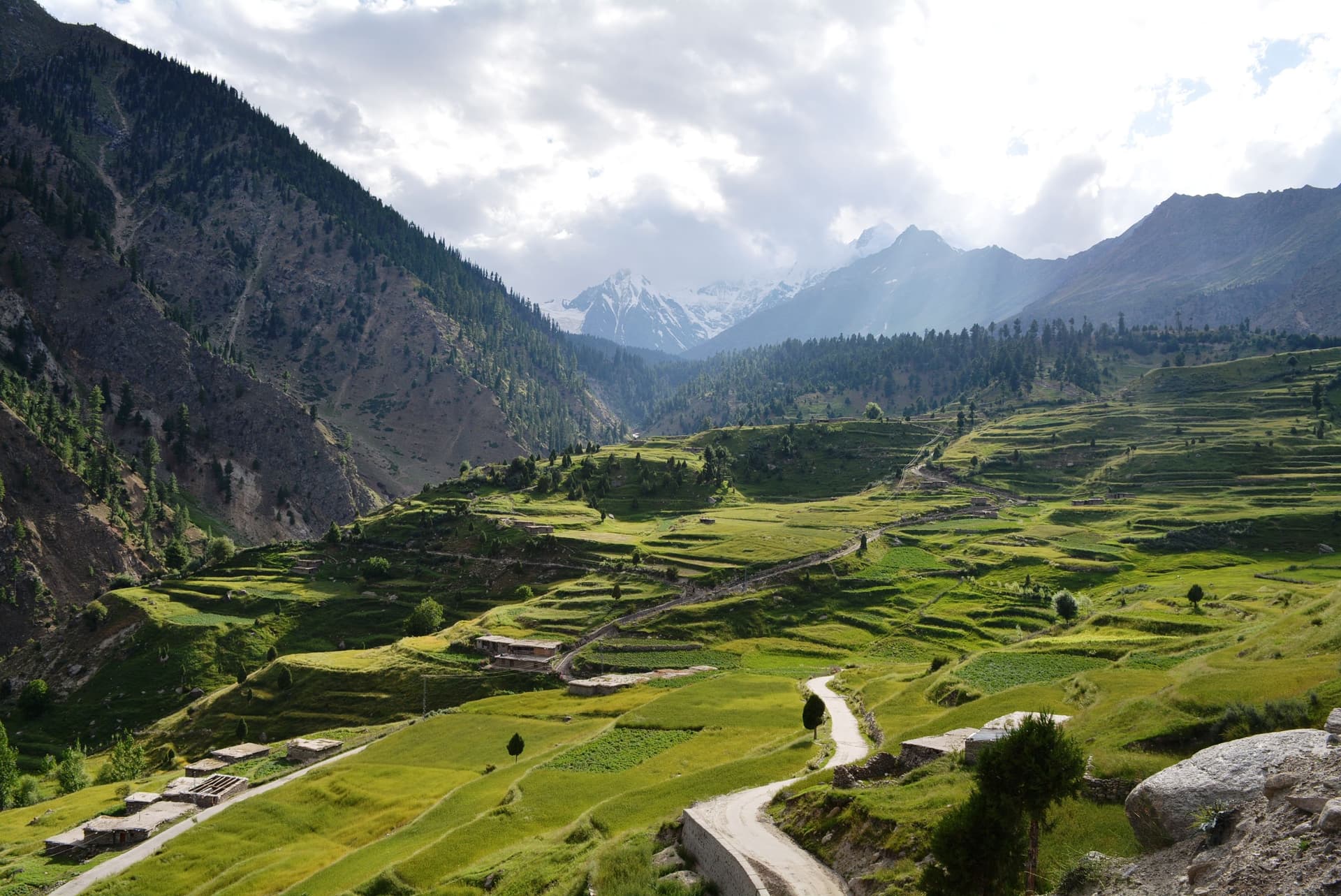
Gilgit-Baltistan transforms into a vibrant high-altitude paradise during summer, when snowmelt feeds crystal-clear rivers, alpine lakes, and lush green valleys. From June to August, the region becomes fully accessible, revealing iconic destinations such as Hunza Valley, Skardu Valley, and Astore Valley at their most colorful. Meadows in places like Deosai National Park, Fairy Meadows, and Naltar Valley bloom with wildflowers, while events like the Shandur Polo Festival bring cultural energy to the mountains. With mild temperatures and long sunny days, summer is the peak season for trekking, camping, and exploring Pakistan’s most dramatic landscapes, from Attabad Lake to Khunjerab Pass.
Spring Blossom Tour: Alpine Karakoram Adventure
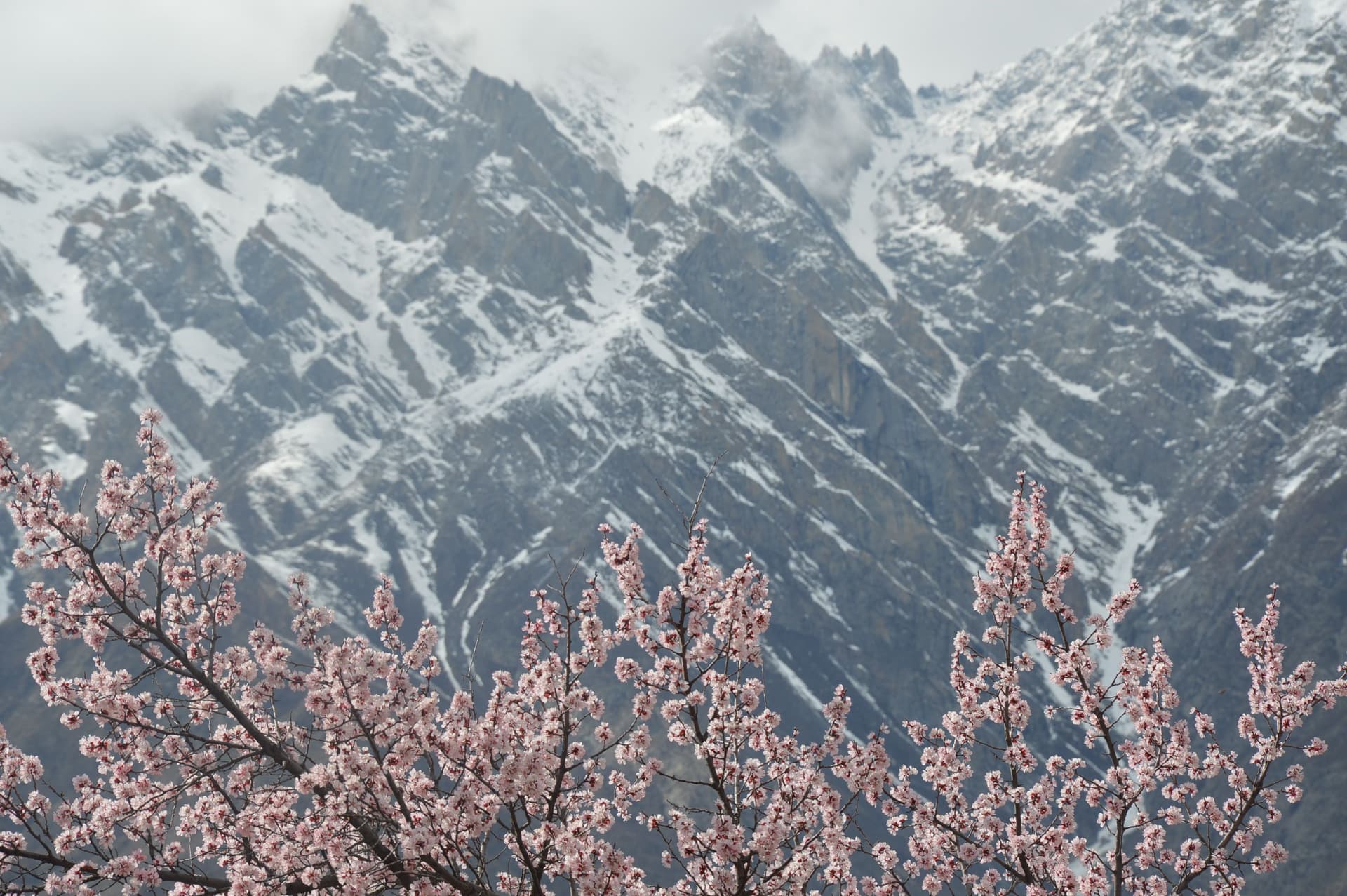
Hunza Valley and the wider northern regions of Pakistan transform into a breathtaking landscape during spring, when apricot and cherry blossoms blanket the valleys in shades of pink, white, and green. From mid-March to April, orchards across Nagar Valley, Skardu Valley, and Baltistan come alive against the dramatic backdrop of snow-capped peaks like Rakaposhi and the Passu Cones. The season symbolizes renewal, with blooming fruit trees such as apricot, cherry, apple, and mulberry filling the air with fragrance and color. This spring blossom tour offers an easy, scenic experience for families and photographers, combining cultural warmth, peaceful village life, and some of the most stunning floral mountain landscapes in the world.
Starting from
Contact for Price