Payu Peak Expedition
Conquer the Technical Granite Spires of the Baltoro Muztagh
Payu Peak Expedition
Conquer the Technical Granite Spires of the Baltoro Muztagh
Conquer the Technical Granite Spires of the Baltoro Muztagh
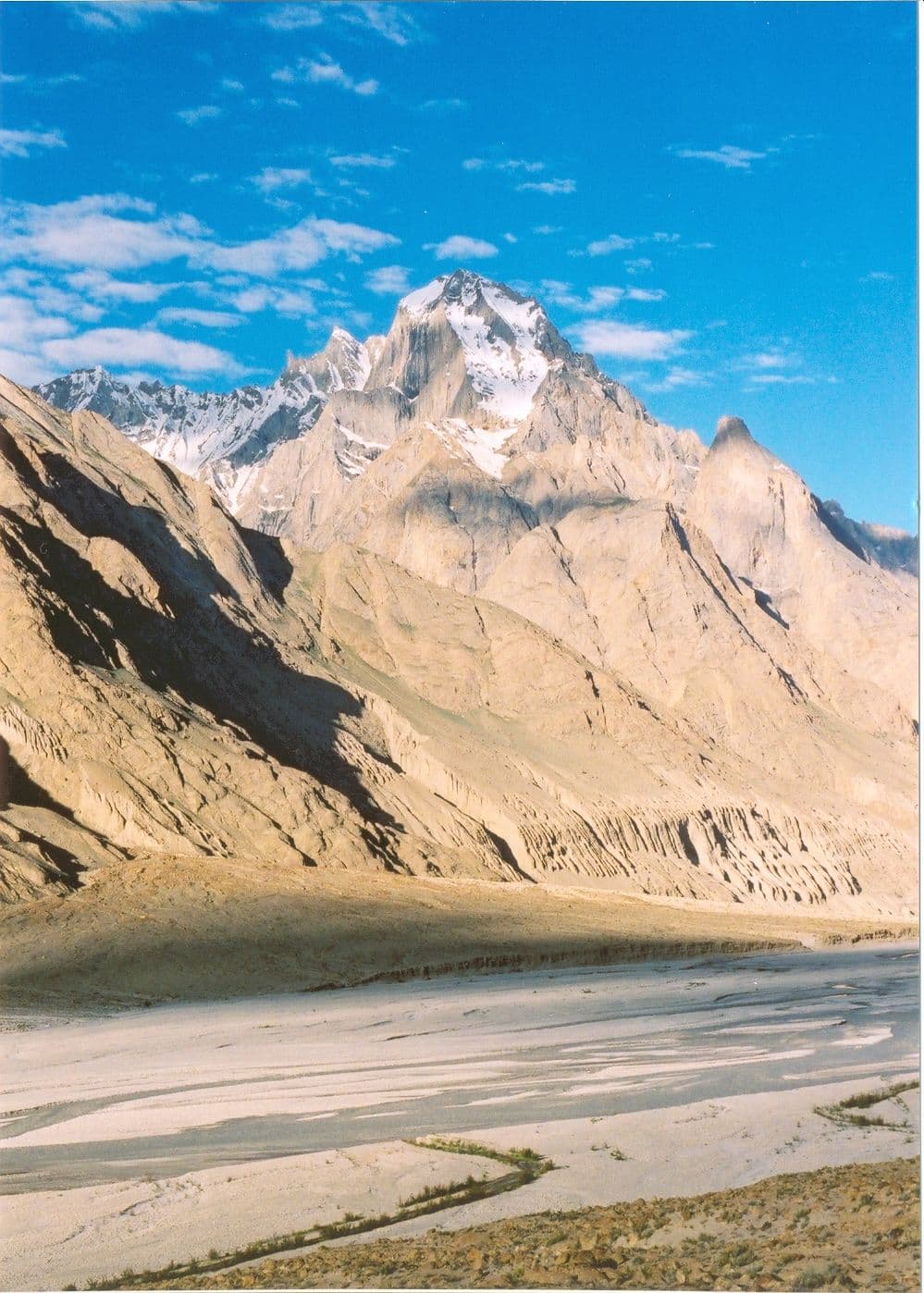
The window to climb in the Karakoram is brief, and the mountains do not wait. Alpine Karakoram Adventure invites experienced climbers to join our Payu Peak expeditions for the 2026 and 2027 seasons, with fixed departures scheduled from June through August—the optimal weather window when the Karakoram offers its most stable conditions . Our 40-day expedition covers every detail from your arrival in Islamabad to your safe return, including all permits, logistics, Base Camp infrastructure, and professional support. Rising to 6,610 meters on the north side of the legendary Baltoro Glacier, Payu Peak stands at the western end of the Baltoro Muztagh, surrounded by the most dramatic rock formations on Earth—the iconic Trango Towers, Great Trango, and Nameless Tower . First climbed in 1976 by a historic Pakistani expedition, this peak offers a genuine high-altitude challenge for those seeking to test their skills in the heart of the Karakoram . Slots are strictly limited each season. Contact us to secure your place on this prestigious Karakoram peak.
Trip Stats
Difficulty
Hard
Max Altitude
6,610 meters
Wind Speed
30-50 km/h
Temperature
-25°C to -10°C
Overview
Payu Peak rises to 6,610 meters in the central Karakoram Range of Pakistan, positioned on the north side of the legendary Baltoro Glacier at the western end of the Baltoro Muztagh . The mountain is named after the Payu mountain group—which includes the iconic Uli Biaho Tower and Choricho—and stands three kilometers northwest of the terminus of the Baltoro Glacier, nine kilometers southwest of the Trango Towers . The word "Paiju" is a Balti word meaning "salt," and the area serves as the last source of wood for porters before they venture onto the glacier . The mountain's climbing history is marked by both tragedy and triumph. The first recorded attempt occurred in 1974 by a Pakistani-American team led by Nicholas B. Clinch, which ended in tragedy when Pakistani member Momin Hamid slipped and fell 1,200 feet during descent, losing his life . The following year, a French expedition led by Jean Fréhel was forced to abandon when a member was swept by an avalanche and broke his leg . Success finally arrived on July 20, 1976, when a Pakistani group consisting of Bashir Ahmed, Manzoor Hussain, and Nazir Ahmed Sabir reached the summit . American climber Allen Steck accompanied the expedition as technical advisor and reached within 60 meters of the summit, stepping aside to photograph the historic moment . The climbing on Payu Peak involves serious high-altitude objective hazards, including stonefall and complex glacial navigation. The first ascent team described their route: "We had to cross a wide bergschrund and made over 20 pitches—both vertical and lateral—on very hard ice and rocky patches before reaching below the snow field" . Above 6,000 meters, the terrain steepens considerably, requiring technical proficiency on mixed ground. The summit day from the final camp proved so demanding that the first ascent team, expecting to return the same day, was forced to bivouac without sleeping bags or food, digging a snow cave at 21,400 feet and spending the night before reaching the top the following afternoon . In 2014, Spanish-Basque mountaineers Alberto Iñurrategi, Juan Vallejo, and Mikel Zabalza made a significant attempt on the south pillar, climbing 1,100 meters of technical terrain with difficulties up to 6b A3 M5 . Vallejo was struck by a rock "the size of a medium microwave oven" near the top of the tower, yet the team continued, with Zabalza calling the route "the hardest alpine climb of my career" . They named their route "Via 2T" but chose not to continue to the main summit, deeming the terrain beyond "suicidal" due to a large serac barrier continuously disgorging chunks of ice . Payu Peak represents an ideal challenge for mountaineers seeking objectives more demanding than standard trekking peaks but not as specialized as the extreme big-wall routes of the Trango group. Its position on the Baltoro Glacier allows climbers to follow the legendary approach used for K2. Reaching the summit of Payu is considered a prestigious achievement, offering a unique perspective on the greatest concentration of 8,000-meter peaks on Earth—K2, Broad Peak, and the Gasherbrums all visible from its summit ridge . We know the porters who carry loads with quiet dignity, the cooks who produce hot meals at advanced base camps, and the guides who have spent decades in the Baltoro region. Our 40-day itinerary builds in the flexibility the mountain demands—contingency days for weather windows that open and close, and the simple truth that on Payu Peak, patience and technical mastery determine success.
Trip Highlights
What makes this trekking special
Summit Payu Peak at 6,610 meters in the heart of the Baltoro Muztagh, surrounded by the legendary Trango Towers, Great Trango, and Nameless Tower
Climb in one of the world's most spectacular mountain arenas, with the highest concentration of 8,000-meter peaks on Earth
Trek the legendary Baltoro Glacier corridor for eight days, passing beneath granite giants and through ever-changing glacial landscapes
Camp at Paiju, the last green oasis before the deep Baltoro Glacier, where porters traditionally rest and bake bread before venturing onto the ice
Follow in the footsteps of mountaineering history—the 1976 first ascent by Pakistan's pioneering climbers, with Allen Steck's technical guidance
Experience the dramatic setting where Vittorio Sella captured his iconic 1909 photograph of the Karakoram
Witness panoramic summit views of K2, Broad Peak, Gasherbrum I, Gasherbrum II, and the entire upper Baltoro massif
Challenge yourself on advanced technical mountaineering with steep ice, mixed terrain, and complex glacial navigation
Navigate the same routes attempted by expeditions from America, France, and Spain, each adding to the mountain's rich climbing history
Explore the vibrant and resilient high-altitude cultures of Gilgit-Baltistan, from Skardu's bazaars to Askole's remote settlements
Benefit from comprehensive expedition support with our most experienced mountain staff and full Base Camp infrastructure
Day by Day Itinerary
Most international flights land at Islamabad International Airport. Our team meets you at arrivals, handles the welcome, and transfers you to your accommodation. The rest of the day is yours...
Morning visit to the Ministry of Tourism for official expedition briefing and permit processing. This is mandatory for all expeditions in Pakistan. We meet our Liaison Officer, who accompanies the...
Early start for the 45-minute flight to Skardu—one of the most spectacular commercial flights anywhere. On clear days, you see Nanga Parbat sliding past your window. Flights cancel frequently; Skardu...
Skardu is the capital of Baltistan and gateway to the great peaks. We use this day for final logistics: briefing at the Department of Tourism, permit verification, load planning with...
We load jeeps and begin the drive. The road follows the Indus River, branches along the Shigar, then follows the Braldu deeper into the mountains. Askole is the last village—dusty...
First trekking day, approximately 5–6 hours. We leave cultivated fields behind and enter terrain that stays wild for weeks. The trail passes through the Korofong area, crossing the Biafo Glacier...
Trek approximately 7 hours. The route follows the river system through increasingly rocky terrain. As the sun rises higher, the temperature increases quickly. The porters with their big loads constantly...
Intentional acclimatization day. Paiju is always an important stop for porters, as it is the last camp before the Baltoro Glacier . It is traditional for porters to take a...
Trek from Paiju to establish Base Camp at approximately 4,300–4,500 meters. The route climbs onto the Baltoro Glacier, passing through dramatic terrain with views of the Trango Towers and Uli...
Well-earned rest day. Technical training on fixed ropes, ice climbing, and crevasse rescue. Local staff perform a Puja Ceremony—a blessing for safe passage—with prayer flags and traditional rituals. Gear checks...
Twenty-four days are allocated for acclimatization and climbing Payu Peak. This is the main climbing phase where the mountain and weather dictate the timing. Our guide, cook, and support crew...
Climbing period concludes. Pack all gear and clean Base Camp thoroughly, ensuring no trace is left behind. Begin the return journey by trekking back toward Baldumal .
Continue the descent to Askole village. Celebrate the completion of the expedition with the porter team and express appreciation for their hard work throughout the journey .
Return to Skardu via a full-day jeep ride. Upon arrival, check into the hotel for a hot shower and a comfortable bed after weeks in the mountains .
Take the morning flight back to Islamabad if weather permits. Board the plane for the spectacular flight out of the valley, once again passing Nanga Parbat before turning south. If...
Reserved for delays—cancelled flights, road blocks, or bureaucratic requirements. If already in Islamabad, this becomes recovery time, shopping for souvenirs, final paperwork, and additional rest. Evening farewell dinner celebrating the...
After breakfast, transfer to Islamabad International Airport for your international departure. The Payu Peak expedition concludes.
Note: This 40-day schedule is built on extensive experience in the Baltoro region to ensure safety and acclimatization . The Karakoram requires flexibility—flights to Skardu are weather-dependent, and road travel via the Karakoram Highway serves as backup . Remote mountain travel requires an open mind; unpredictable weather or road closures may necessitate adjustments. The climbing period is entirely weather and condition dependent. Payu Peak's history includes multiple attempts turned back by weather, avalanche, and objective hazards . Patience for proper weather windows is essential for a safe summit. As the first ascent team demonstrated, success often requires enduring more than expected—including unplanned bivouacs and extended efforts . Your expedition leader works to minimize inconvenience while maintaining safety as the top priority.
What's Included
Included
11 items included
- Professional airport pickup and drop-off at Islamabad International Airport
- All accommodation (hotels in Islamabad/Skardu, camping during trek)
- All meals from welcome dinner through departure breakfast
- Domestic flights Islamabad-Skardu-Islamabad (subject to weather; road contingency if cancelled)
- Full processing of Pakistan expedition permits and government royalty fees
- Porter and staff support from Askole to Base Camp including wages, insurance, food, and equipment
- Low-altitude porters to carry expedition gear, food, and standard member allowance
- Complete Base Camp infrastructure with individual member tents, mess tent, kitchen tent, store tent, toilet tent, tables, chairs, and kitchen utensils
- All camping fees, road taxes, bridge crossing fees, and CKNP waste management fees
- Government Liaison Officer (LO) kit, allowance, and full logistics
- All taxes and service charges
Not Included
11 items not included
- International flights to and from Pakistan
- Pakistan mountaineering visa fee
- Mandatory travel and high-altitude rescue insurance (must cover helicopter evacuation up to 6,700m)
- Personal climbing equipment, technical hardware, and clothing
- Personal expenses: telephone calls, laundry, soft drinks, alcoholic beverages
- High altitude tents and high altitude food
- High-altitude porters (HAPs) and specialized high-altitude equipment
- Custom clearing charges for import/export of personal equipment
- Gas canisters, oxygen cylinders, and related regulators
- Tips for Base Camp staff, porters, and local crew (customary, amount at your discretion)
- Unforeseen costs due to roadblocks, extra hotel nights, or extended Base Camp stays
We understand that every climber has unique needs and different experience levels. The inclusions above represent our standard expedition package. However, Alpine Karakoram Adventure can customize your plan with additional support or private arrangements.
What Our Adventurers Say
Authentic reviews from fellow trekkers who completed this expedition
Based on 0 reviews
Be the first to review this expedition!
Similar Expeditions
Discover more incredible adventures in the Karakoram
Uli Biaho Expedition
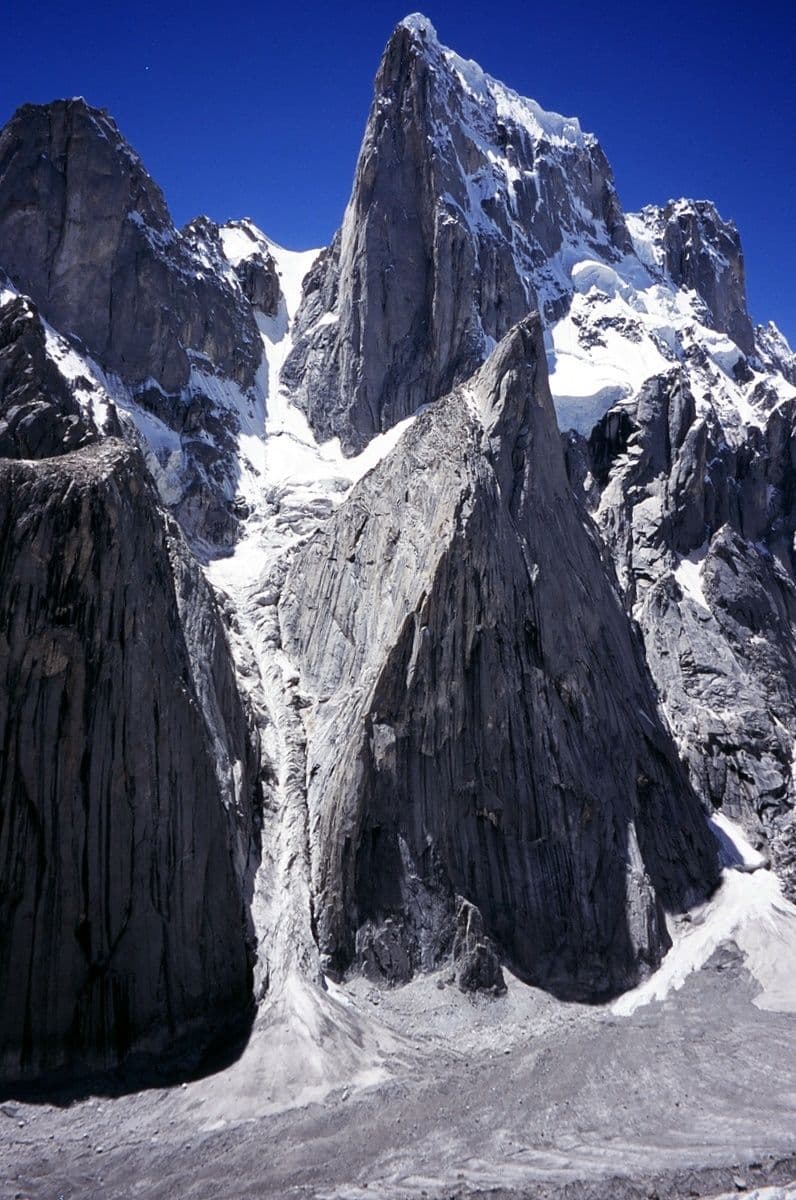
The granite spires of Uli Biaho rise from the Baltoro Glacier like frozen lightning, their sheer walls creating one of the most captivating formations in the entire Karakoram. Situated directly beside the legendary Trango Towers, this twin-summit massif offers elite climbers a choice between two distinct objectives: the higher Uli Biaho Peak (6,417m) with its mixed terrain and unclimbed history until 2006, or the technical Uli Biaho Tower (6,109m) with its vertical granite walls and established big wall routes . Alpine Karakoram Adventure invites experienced climbers to join our Uli Biaho expeditions for the 2026 and 2027 seasons, with fixed departures scheduled from May through August—the optimal weather window when conditions are most stable for technical climbing at altitude . Our 30-day expedition covers every detail from your arrival in Islamabad to your safe return, including all permits, logistics, Base Camp infrastructure, and professional support. Slots are strictly limited for this remote and technical objective. Contact us to secure your place on one of the Karakoram's most magnificent granite formations.
Trango Towers Expedition
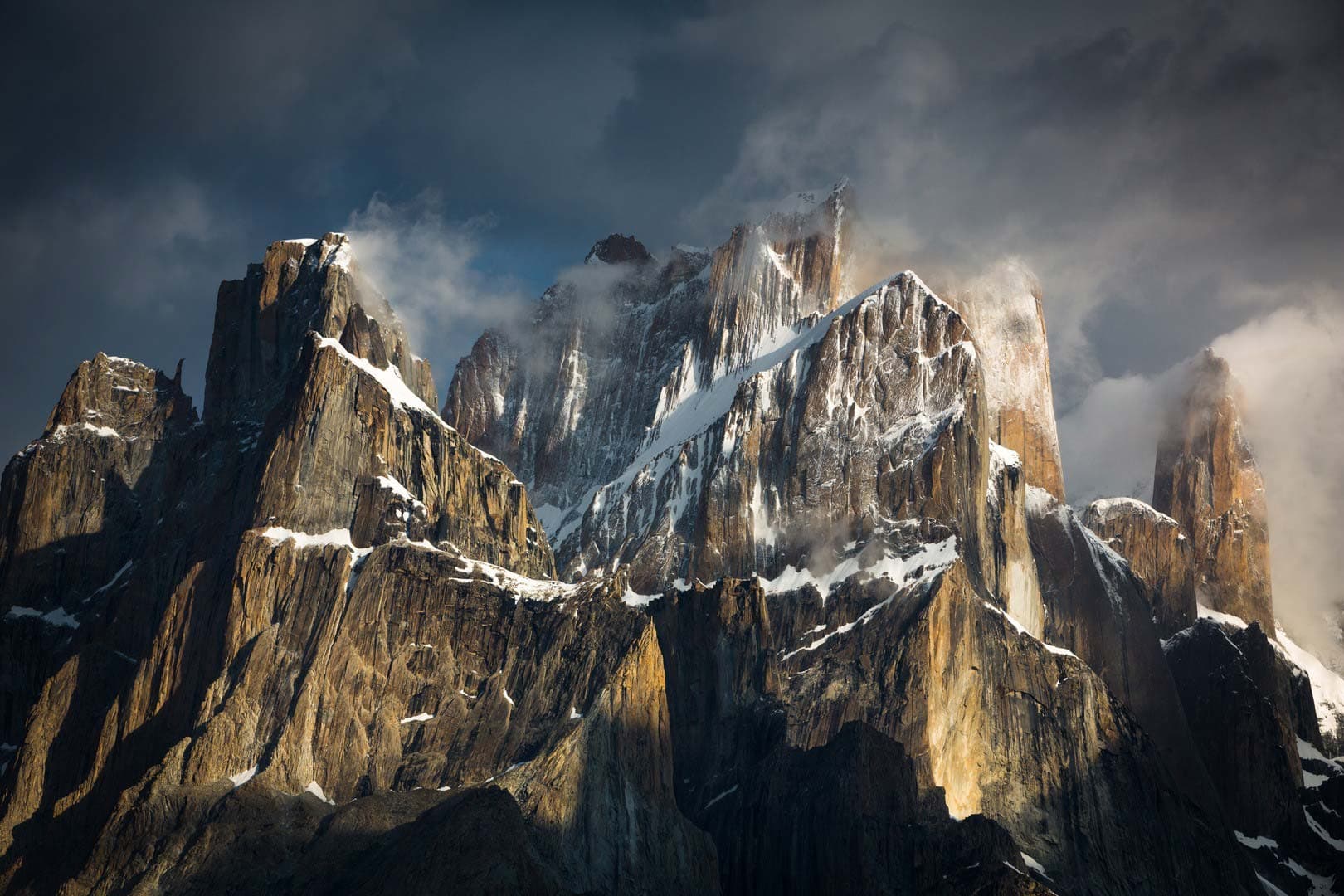
The window to climb in the Karakoram is brief, and the mountains do not wait. Alpine Karakoram Adventure invites experienced alpinists to join our Trango Towers expeditions for the 2026 and 2027 seasons, with departures scheduled from July through August—the optimal weather window when the Karakoram offers its most stable conditions . The Trango Towers, rising magnificently north of the Baltoro Glacier, form one of the most spectacular collections of granite spires on Earth, featuring some of the world's largest cliffs and most challenging big wall climbing opportunities . Our 38-day expedition covers every detail from your arrival in Islamabad to your safe return, including all permits, logistics, Base Camp infrastructure, and professional support. Slots are strictly limited each season. Contact us to secure your place on these legendary granite giants.

The Ogre (Baintha Brakk) Expedition
The granite monolith known as The Ogre rises from the heart of the Panmah Muztagh like a fortress from another world—a jagged, vertical thumb of rock that has repelled more than twenty expeditions for every one that has succeeded. Baintha Brakk I, standing at 7,285 meters, is universally regarded as one of the most formidable and technically demanding peaks in the entire Karakoram, a mountain where the margin for error does not exist and where the climbing history reads like a chronicle of survival against impossible odds . Alpine Karakoram Adventure invites elite alpinists to join our Baintha Brakk expeditions for the 2026 and 2027 seasons, with fixed departures scheduled from July through early September—the brief weather window when conditions are most stable for attempting this beast of the Karakoram . Our 39-day expedition covers every detail from your arrival in Islamabad to your safe return, including all permits, logistics, Base Camp infrastructure, and professional support. Slots are strictly limited for this exclusive objective. Contact us to secure your place on one of the hardest mountains on earth.
Starting from
Contact for Price