The Ogre (Baintha Brakk) Expedition
Conquer the vertical granite monolith of the Panmah Muztagh
The Ogre (Baintha Brakk) Expedition
Conquer the vertical granite monolith of the Panmah Muztagh
Conquer the vertical granite monolith of the Panmah Muztagh
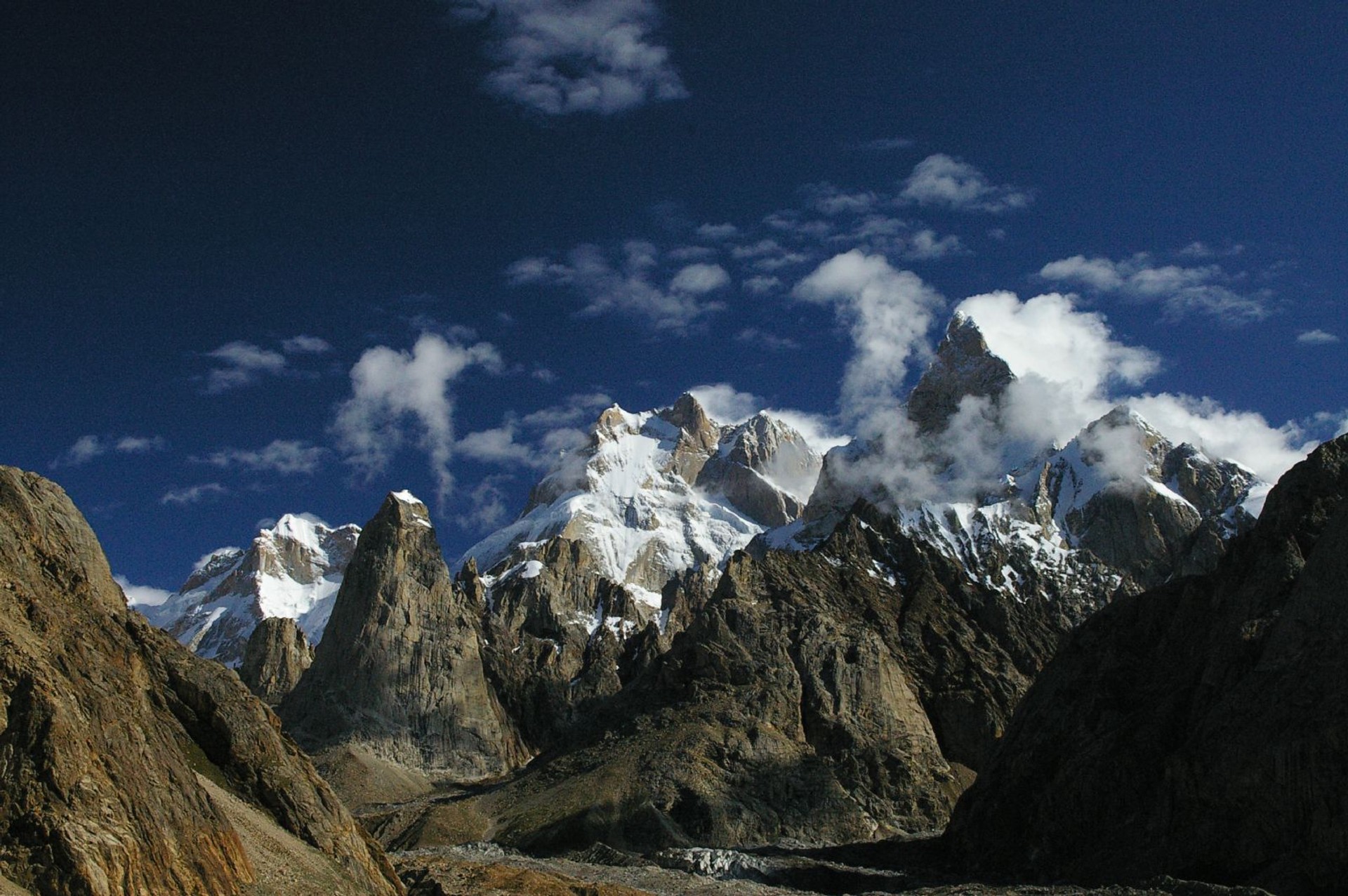
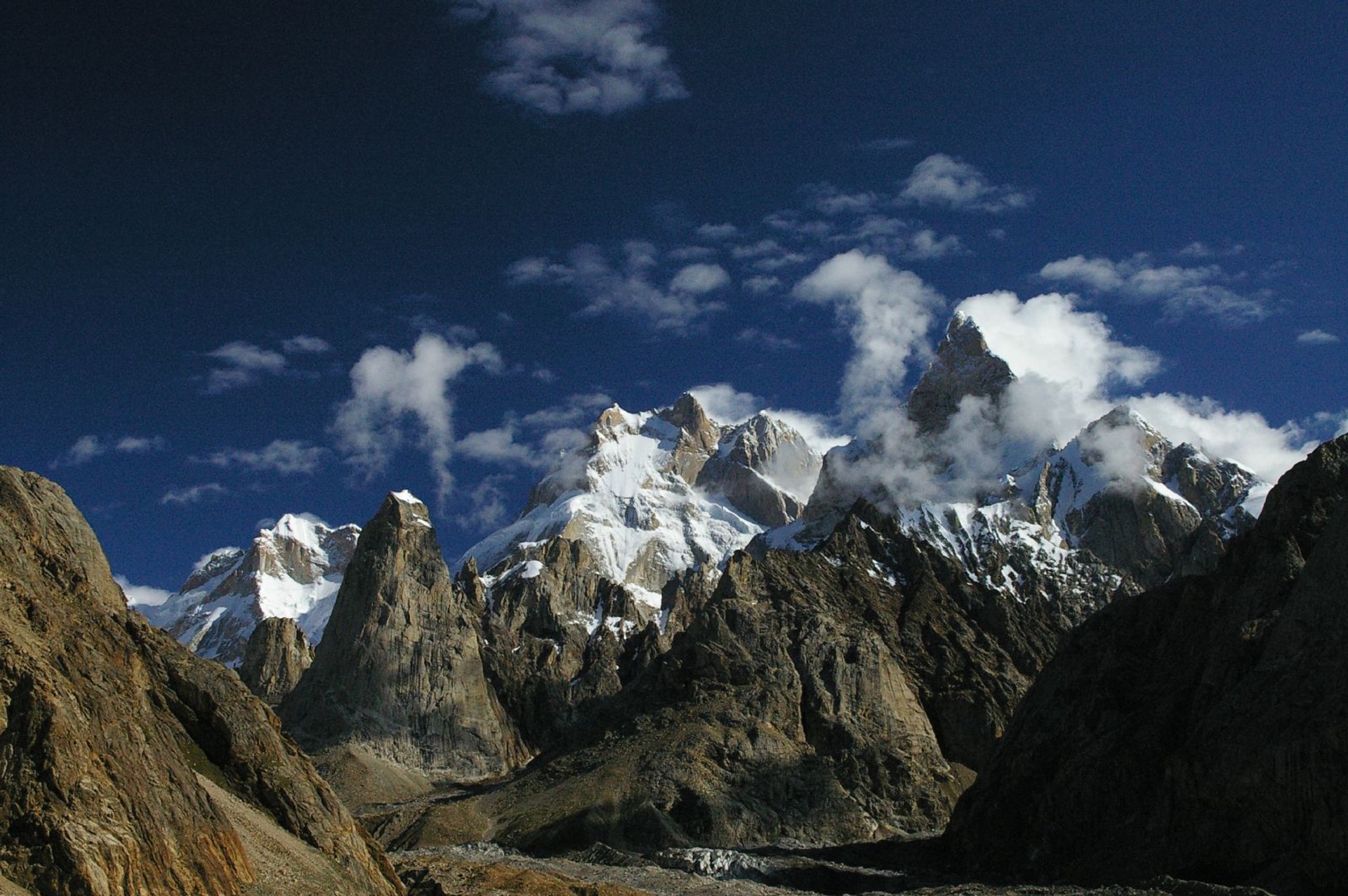
The granite monolith known as The Ogre rises from the heart of the Panmah Muztagh like a fortress from another world—a jagged, vertical thumb of rock that has repelled more than twenty expeditions for every one that has succeeded. Baintha Brakk I, standing at 7,285 meters, is universally regarded as one of the most formidable and technically demanding peaks in the entire Karakoram, a mountain where the margin for error does not exist and where the climbing history reads like a chronicle of survival against impossible odds . Alpine Karakoram Adventure invites elite alpinists to join our Baintha Brakk expeditions for the 2026 and 2027 seasons, with fixed departures scheduled from July through early September—the brief weather window when conditions are most stable for attempting this beast of the Karakoram . Our 39-day expedition covers every detail from your arrival in Islamabad to your safe return, including all permits, logistics, Base Camp infrastructure, and professional support. Slots are strictly limited for this exclusive objective. Contact us to secure your place on one of the hardest mountains on earth.
Trip Stats
Difficulty
Technical
Max Altitude
7,285 meters
Baintha Brakk I, universally known as "The Ogre," is widely regarded as one of the most formidable and menacing peaks in the Karakoram Range. Standing at 7,285 meters (23,901 feet) in the Panmah Muztagh sub-range, it rises like a jagged granite monolith above the Baintha Lukpar and Uzun Brakk glaciers . The mountain's architecture is complex and intimidating, resembling a massive, vertical violin or a thumb of rock piercing the sky. Unlike the broad snow slopes of many 8,000-meter giants, The Ogre is defined by its vertical relief, featuring sheer golden granite pillars, hanging seracs, and technical mixed terrain that demands the highest level of mountaineering proficiency. The Ogre is exceptional in its combination of altitude, height above local terrain, and steepness. For example, its South Face rises over 3,000 meters (9,800 feet) above the Uzun Brakk Glacier in only 2 kilometers (1.2 miles) of horizontal distance . It is because of this steep, rocky nature that Baintha Brakk has been both so difficult to climb and so attractive a target for extremely high-level mountaineers . The mountain is not a single peak but the centerpiece of a dramatic massif that includes several subsidiary peaks and neighboring towers. To its east lies the Latok group—Latok I (7,145m), Latok II (7,108m), Latok III (6,949m), and Latok IV (6,456m)—creating a cathedral of rock that forms one of the most concentrated collections of technical climbing objectives on Earth . Other notable formations in the immediate vicinity include Ogre II (also known as Baintha Brakk II), Ogre III, HAR Pinnacle (5,490m), and Baintha Kabata (approximately 6,300m) . The atmosphere surrounding The Ogre is one of intense isolation and seriousness. Nestled deep within the Baltistan region, north of the Biafo Glacier and near the legendary Snow Lake, it sits in an arena of high granite towers that attracts only the world's most accomplished alpinists. The weather here is notoriously violent and unpredictable, often shrouding the peak in storms that have turned many expeditions into fights for survival. The combination of high altitude and extreme technical rock climbing creates a barrier that few have breached—between 1977 and 2012, only three successful ascents were recorded . Geographically, the mountain presents no "easy" route. Every face—whether the South Pillar, the Southeast Ridge, the Southwest Spur, or the unclimbed North Face—requires a commitment to sustained technical climbing at altitude. The rock quality is generally excellent Karakoram granite, but it is often interspersed with difficult ice and snow flutings. The approach trek itself is a journey through some of the most spectacular glaciated landscapes on earth, moving from the dusty village of Askole up the Braldu gorge and onto the vast river of ice that is the Biafo Glacier. The Ogre is perhaps best known not just for its difficulty, but for the dramatic history etched into its slopes. It represents the pinnacle of "hard style" mountaineering, where the margin for error is non-existent. To climb Baintha Brakk is to walk a delicate tightrope between triumph and disaster, a reality cemented by the legendary first ascent which remains one of the greatest survival stories in the history of exploration.
Expedition Highlights
Key landmarks, features, and route experiences
Attempting one of the most difficult and exclusive 7,000-meter peaks in the world, with fewer than a handful of successful summits in over four decades
World-class technical climbing on high-altitude granite, often compared to climbing El Capitan atop a 6,000-meter plinth, with the South Face rising 3,000 meters in just 2 kilometers
The trekking approach via the Biafo Glacier, offering views of Snow Lake, one of the world's largest basins of ice outside the polar regions
Spectacular Base Camp location on the green meadows of Baintha, surrounded by granite spires and glacial rivers at approximately 4,300 meters
The historical significance of the route, following in the footsteps of legends like Doug Scott, Chris Bonington, Thomas Huber, Hayden Kennedy, and Kyle Dempster
Extreme technical variety requiring mastery of 5.11/6c rock climbing and A-grade aid climbing at altitudes where the human body struggles to function
Views of the stunning Latok group (Latok I, II, III, and IV) which create a cathedral of rock adjacent to the peak, with all four major Latok peaks visible from Base Camp
A remote wilderness experience with chances of spotting Himalayan wildlife such as Ibex, Snow Leopards, and Lammergeiers
The challenge of multiple established routes—the Southwest Spur/West Ridge (1977), South Pillar (2001), and South Face (2012)—each requiring different technical approaches
Interaction with the Balti support staff from Askole, renowned for their strength and deep ancestral knowledge of the Karakoram passes and glaciers
High-altitude bivouacs on precarious ledges offering unparalleled sunrises over the inner Karakoram, with camps established at 5,100m, 6,200m, and 6,800m
The sheer psychological challenge of a mountain known as "The Beast of the Karakoram," where success is so rare that each ascent makes international mountaineering history
Arrive at Islamabad International Airport. Our team meets you at arrivals and transfers you to the hotel. In the evening, attend the official expedition briefing covering logistics, requirements, and what to expect...
Silver Package
Standard Base Camp support with essential infrastructure
Gold Package
PopularEnhanced Base Camp facilities and additional staff support
Platinum Package
Premium Base Camp setup with maximum comfort and dedicated services
What's Included & Excluded
Detailed breakdown of covered expedition logistics versus individual client responsibilities.
Included in Expedition
- Professional airport pickup and drop-off at Islamabad International Airport
- All accommodation (hotels in Islamabad/Skardu, full service camping during trek)
- All meals from arrival day lunch through departure day breakfast
- Domestic flights Islamabad-Skardu-Islamabad (subject to weather; road contingency if cancelled)
- 4x4 jeep transportation between Skardu – Askole – Skardu
- Full processing of Pakistan expedition permits and government royalty fees for Baintha Brakk I
- Liaison Officer daily wages, kit allowance, insurance, and food
- Complete Base Camp infrastructure with comfortable member tents, Mess tent, Kitchen tent, Store tent, Office tent, Toilet tent, tables, chairs, and kitchen utensils
- Porterage allowance: 75kg per climbing member on the way up, 50kg on the way down
- All trekking and Base Camp food (three hot meals per day)
- Local staff wages, insurance, food, and equipment (Cook, Kitchen Helper)
- Solar panel system for light and battery charging at Base Camp
- Satellite phone and VHF radio availability (usage charges apply)
- All camping fees, road taxes, and bridge crossing fees
- CKNP waste management fee
- Assistance for reconfirmation of international flight tickets
Excluded (Client Account)
- International airfare to and from Pakistan
- Pakistan mountaineering visa fee
- Mandatory travel and high-altitude rescue insurance (must cover helicopter evacuation)
- Helicopter emergency rescue fees (refundable deposit required)
- Personal climbing equipment, technical hardware, clothing, and sleeping gear
- High altitude tents and high altitude food above Base Camp
- High altitude porters (HAP)
- Group climbing gear including ropes, anchors, and big wall equipment
- Personal expenses: telephone calls, laundry, beverages, and items of personal nature
- Tips and gratuities for staff, cook, and porters (customary, amount at your discretion)
- Custom clearing charges for import/export of technical equipment
- EPI gas canisters and oxygen cylinders
- Unforeseen expenses (roadblocks, extra hotel stays, or extra days at Base Camp)
- Additional costs if any member splits from the group during the expedition
Complementary Expeditions
Explore adjacent climbing routes, customized trails, and remote alpine passes.
Uli Biaho Tower Expedition
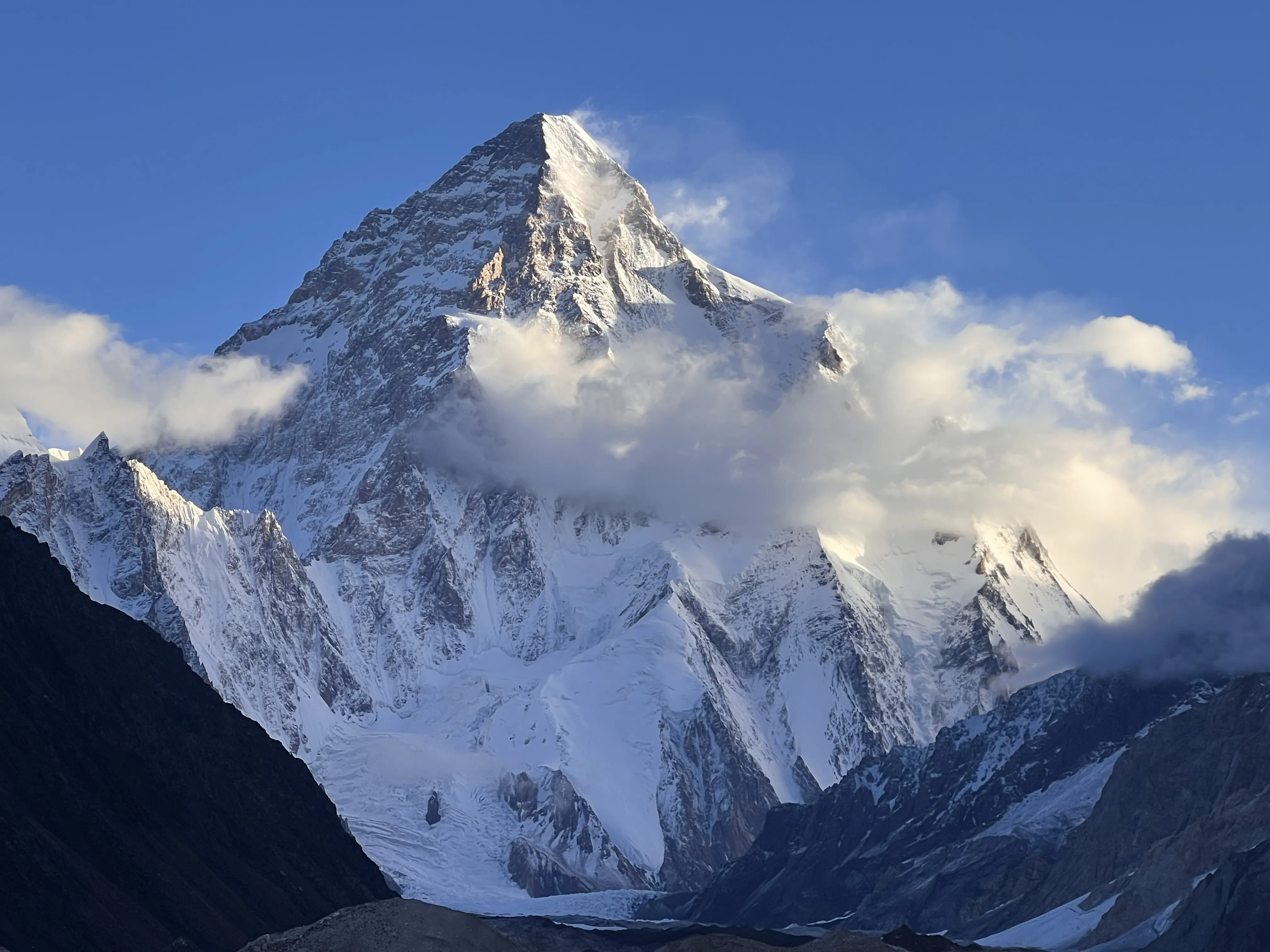
Bookings are now open for the 2027 and 2028 seasons on Uli Biaho Tower. This 6,109m granite wall is one of the most respected technical challenges in the Karakoram. Join a small team with full Base Camp support on the Trango Glacier.
Trango Towers Expedition
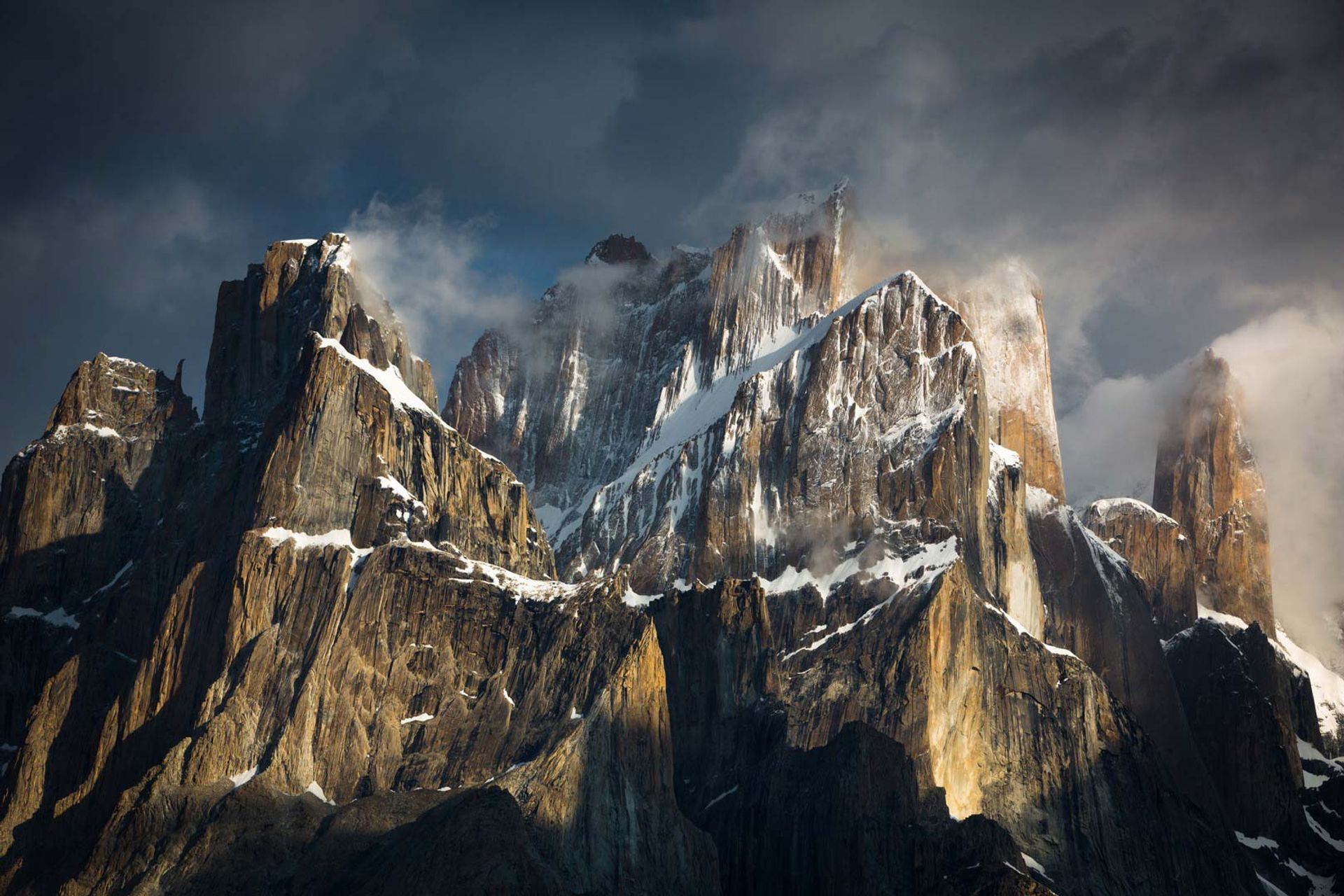
The window to climb in the Karakoram is brief, and the mountains do not wait. Alpine Karakoram Adventure invites experienced alpinists to join our Trango Towers expeditions for the 2026 and 2027 seasons, with departures scheduled from July through August—the optimal weather window when the Karakoram offers its most stable conditions . The Trango Towers, rising magnificently north of the Baltoro Glacier, form one of the most spectacular collections of granite spires on Earth, featuring some of the world's largest cliffs and most challenging big wall climbing opportunities . Our 38-day expedition covers every detail from your arrival in Islamabad to your safe return, including all permits, logistics, Base Camp infrastructure, and professional support. Slots are strictly limited each season. Contact us to secure your place on these legendary granite giants.
Shipton Spire Big Wall Expedition
The granite spire named after one of mountaineering's greatest pioneers rises from the Upper Trango Glacier, its 4,400-foot walls offering some of the finest technical rock climbing in the entire Karakoram. Just two hours from the legendary Trango Towers, Shipton Spire presents a 29-pitch big wall with difficulties up to 7b+ on superb granite—nearly twice as much vertical rock as the nearby Nameless Tower. Alpine Karakoram Adventure invites elite big wall climbers to join our Shipton Spire expeditions for the 2026 and 2027 seasons, with fixed departures scheduled from June through September—the optimal weather window when conditions are most stable for extended wall climbs at altitude . Our 44-day expedition covers every detail from your arrival in Islamabad to your safe return, including all permits, logistics, Base Camp infrastructure, and professional support. With superb granite quality and technical pitches ranging from 6c to 7b+, this is arguably the best technical climb one can expect on a Karakoram granite tower . Slots are strictly limited for this premier big wall objective. Contact us to secure your place on one of the most demanding granite spires in the Trango group.